


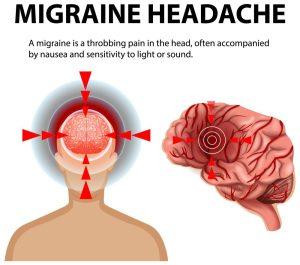
Headaches and migraines can significantly impact daily life, causing debilitating pain, sensitivity to light and sound, and even nausea. For many sufferers, over-the-counter medications provide little relief, leaving them searching for more effective solutions. At the Neurology and Pain Management Clinic (NPMC), Dr. Gautam Arora offers a range of advanced treatments tailored to address both acute and chronic headache conditions, including migraines. With a personalized approach to care, NPMC provides effective headache and migraine treatment options that help patients regain control of their lives.
Understanding Headaches and Migraines
Headaches come in various forms, including tension headaches, cluster headaches, and sinus headaches. Migraines, on the other hand, are a neurological condition characterized by recurring headaches that often present with additional symptoms such as nausea, aura (visual disturbances), and heightened sensitivity to sensory stimuli. Migraines can last anywhere from a few hours to several days and may vary in intensity.
While the exact cause of migraines isn’t fully understood, they are thought to be triggered by a combination of genetic, environmental, and neurological factors. Hormonal changes, stress, diet, and lack of sleep are all common triggers for migraines.
Comprehensive Migraine and Headache Treatment at NPMC
At NPMC, Dr. Gautam Arora takes a comprehensive approach to treating headaches and migraines, focusing on both prevention and relief. After conducting a thorough evaluation, Dr. Arora develops a personalized treatment plan that addresses each patient’s specific symptoms and triggers.
Here are some of the most effective treatment options available at NPMC:
1. Medications for Immediate Relief
For patients experiencing acute headache or migraine pain, medications are often the first line of treatment. Dr. Arora may prescribe:
- Triptans: These medications are designed specifically to treat migraines. They work by narrowing blood vessels and reducing inflammation, which helps alleviate headache pain and associated symptoms such as nausea and light sensitivity.
- Pain Relievers: Nonsteroidal anti-inflammatory drugs (NSAIDs) and other pain relievers may be used for less severe headaches, especially tension headaches.
2. Preventive Medications
For patients with chronic migraines or frequent headaches, preventive medications can help reduce the frequency and severity of attacks. These include:
- Beta-Blockers: Originally used to treat high blood pressure, beta-blockers can reduce the frequency of migraines by preventing blood vessel dilation.
- Antidepressants: Certain antidepressants, such as amitriptyline, can be effective in reducing the occurrence of chronic migraines and tension headaches by stabilizing brain chemicals.
- Anti-Seizure Medications: Medications like topiramate and valproate are often prescribed for patients with severe migraines to help control brain activity and reduce migraine onset.
3. Nerve Blocks and Injections
For patients with stubborn migraines or cluster headaches, Dr. Arora offers nerve block injections. These injections target specific nerves responsible for transmitting pain signals, providing immediate and long-lasting relief. Types of injections offered at NPMC include:
- Occipital Nerve Blocks: For headaches that originate from the back of the head, an occipital nerve block can effectively relieve pain by numbing the affected nerve.
- Botox Injections: Botox is FDA-approved for the treatment of chronic migraines and involves injecting small amounts of botulinum toxin into specific points around the head and neck to prevent migraine attacks. This option is particularly beneficial for patients who experience migraines 15 or more days per month.
4. Lifestyle Modifications and Triggers Management
In addition to medical treatments, Dr. Arora works closely with patients to identify lifestyle factors and triggers that may contribute to their headaches or migraines. Common triggers include stress, diet, dehydration, and poor sleep habits. By making adjustments in these areas, many patients can reduce the frequency of their headaches.
Conclusion
At NPMC, Dr. Gautam Arora provides a comprehensive range of treatment options for patients suffering from headaches and migraines. Whether through medications, nerve block injections, or lifestyle modifications, Dr. Arora’s goal is to help patients achieve lasting relief and improve their quality of life. If you’re struggling with chronic headaches or migraines, consult with NPMC to explore the most effective treatment options for your condition and take the first step toward a pain-free life.

 English
 Arabic
 French
 Spanish
 Portuguese
 Deutsch
 Turkish
 Dutch
Dutch
 Italiano
 Russian
 Romaian
 Portuguese (Brazil)