


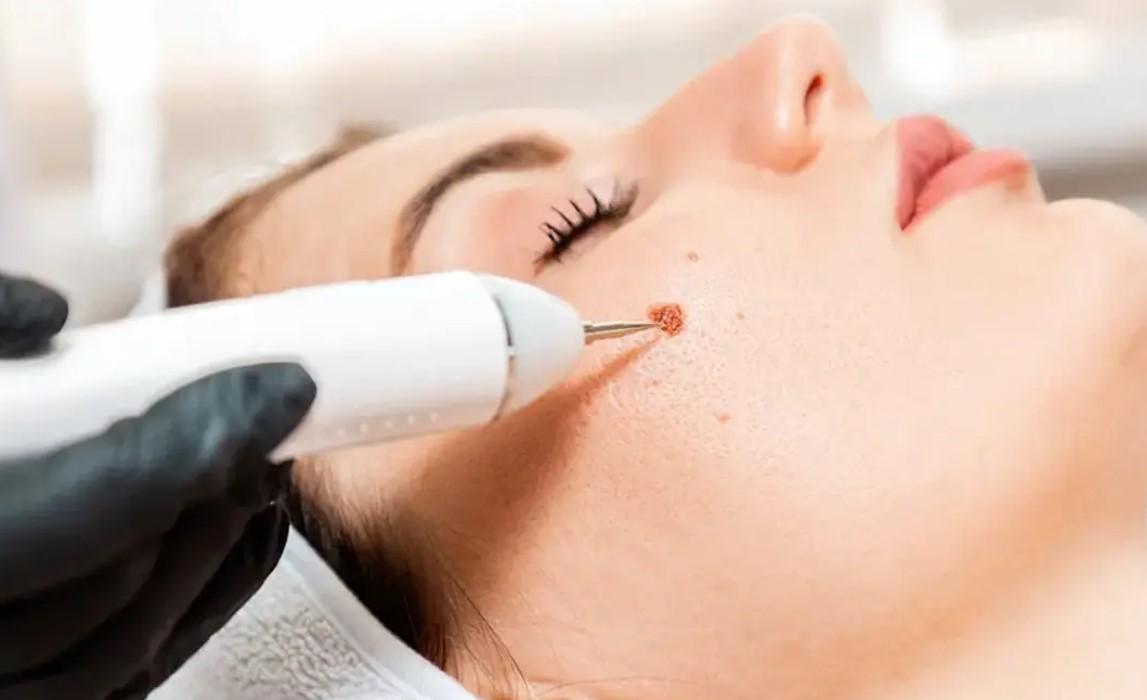
Can Moles Grow Back After Removal?
Yes, in some cases moles can grow back after removal, but it depends on the type of mole, the removal method used, and whether all mole cells were completely eliminated during the procedure. While recurrence is not very common, it is something patients should be aware of when considering mole removal. Mole Removal in Riyadh offers a range of modern techniques designed to safely and effectively improve skin appearance while addressing both cosmetic and medical concerns.
Understanding why this happens and how likely it is can help set realistic expectations and reduce unnecessary concern after treatment.
Why Moles May Grow Back
Moles form from clusters of pigment-producing cells called melanocytes. If any of these cells remain in the skin after removal, there is a possibility that the mole can reappear over time.
Common reasons for mole recurrence include:
1. Incomplete Removal of Mole Cells
If the mole is not fully removed, leftover cells can continue to grow and repigment the area.
2. Type of Removal Method Used
Some methods remove only the visible portion of the mole rather than the deeper root of cells. This increases the chance of regrowth compared to deeper excision techniques.
3. Depth of the Mole
Deeper or more complex moles may extend further into the skin. If removal does not reach all layers, recurrence is more likely.
4. Natural Pigment Regeneration
In some cases, skin pigmentation can return even if most of the mole is removed, especially in areas exposed to sunlight or irritation.
How Likely Is Mole Regrowth?
The likelihood of a mole growing back varies:
- Surgical excision (cutting and stitching): Very low chance of regrowth if fully removed
- Laser mole removal: Slightly higher chance, especially for deeper moles
- Shave removal or surface-level procedures: Moderate chance if deeper cells remain
- Cryotherapy or superficial treatments: May have a higher recurrence rate for certain moles
Overall, most properly treated moles do not return, especially when removed completely by a qualified dermatologist.
What a “Returned” Mole Looks Like
If a mole does grow back, it may appear as:
- A small dark spot at the original site
- Lighter or irregular pigmentation
- A slightly raised area compared to surrounding skin
In some cases, it may look different from the original mole but still appear in the same location.
Is a Returning Mole Dangerous?
A returning mole is usually benign, especially if it was harmless before removal. However, any regrowth should be evaluated by a dermatologist.
A doctor may recommend:
- Monitoring changes over time
- Dermoscopic examination
- Biopsy if the mole looks unusual
This is important because, in rare cases, regrowth in a scar area can resemble atypical pigmentation that needs further assessment.
Can You Prevent Moles From Growing Back?
While there is no guaranteed way to prevent recurrence, certain steps can reduce the risk:
1. Choose Complete Removal Methods
Procedures like surgical excision remove the entire mole structure, lowering recurrence chances.
2. Visit a Qualified Dermatologist
Experienced professionals ensure proper depth and precision during removal.
3. Follow Aftercare Instructions
Good healing reduces inflammation and pigmentation changes that may mimic regrowth.
4. Protect the Area From Sun Exposure
UV exposure can stimulate pigment cells and affect healing skin.
When to See a Doctor After Removal
You should return to your dermatologist if you notice:
- The mole reappearing or darkening again
- Changes in color, size, or texture
- Persistent redness or unusual growth at the site
- Any bleeding or discomfort in the healed area
Early evaluation ensures that any changes are properly assessed.
Conclusion
Moles can grow back after removal, but this is relatively uncommon when the procedure is done correctly and completely. The risk mainly depends on the removal method and how deep the mole cells were in the skin.
In most cases, properly removed moles do not return. However, if you notice any changes at the treated site, it is always best to have it checked by a dermatologist to ensure everything is normal.
Choosing the right treatment and following professional aftercare instructions are the best ways to minimize the chance of recurrence and maintain clear, healthy skin.

 English
 Arabic
 French
 Spanish
 Portuguese
 Deutsch
 Turkish
 Dutch
Dutch
 Italiano
 Russian
 Portuguese (Brazil)
 Greek
Greek