


How to Fix Torn Earlobes: Modern Surgical Solutions in Riyadh
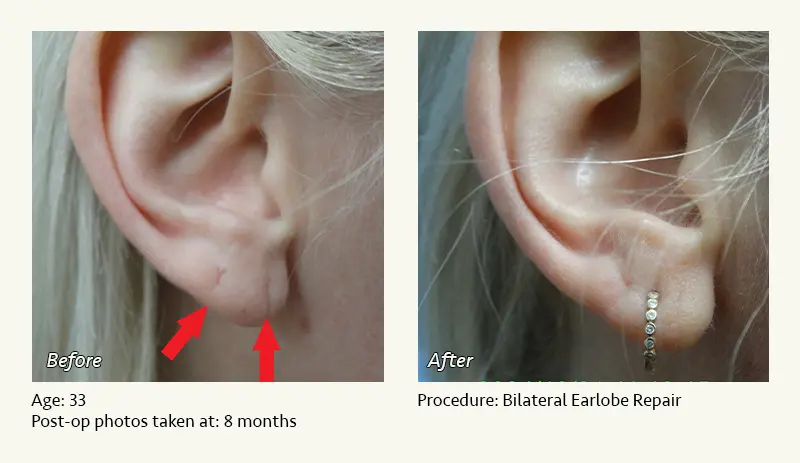
The delicate nature of the earlobe makes it particularly vulnerable to the passage of time and the weight of fashion. Whether caused by an accidental snag or decades of wearing heavy traditional jewelry, a split or elongated lobe can detract from an otherwise polished appearance. Earlobe Correction Surgery in Riyadh has become the gold standard for individuals seeking to restore a youthful, intact look to their ears. This modern surgical intervention is designed not just to close a gap, but to reconstruct the very foundation of the lobe, ensuring that the natural curvature and volume are meticulously preserved. In the capital’s premier clinics, this procedure is treated as a fine art, combining medical precision with an aesthetic eye to deliver results that are virtually indistinguishable from a natural, uninjured ear.
The Anatomy of Earlobe Trauma
To understand how modern solutions work, one must first recognize that the earlobe is composed primarily of skin and fat, lacking the rigid support of the cartilage found in the rest of the ear. This makes it highly pliable but also prone to "cheese-wiring"—the gradual downward migration of an earring hole until it eventually splits the lobe in two.
-
Partial Tears: These occur when the earring hole becomes an elongated slit. While the lobe isn't fully split, it can no longer support jewelry, as earrings will often droop or fall through.
-
Complete Clefts: This is a full vertical split through the bottom edge of the ear. This is common following acute trauma or long-term neglect of a thinning lobe.
-
Stretched Lobes: Often the result of intentional "gauging," these require a more complex "circular" reconstruction to remove excess tissue and recreate a smaller, traditional lobe shape.
Modern Surgical Techniques: Beyond a Simple Stitch
Simply stitching two sides of a torn earlobe together often results in a "notched" or indented look once the scar heals and contracts. To avoid this, surgeons in Riyadh utilize advanced flap techniques and microsurgical methods.
-
The Z-Plasty Technique: By creating small, triangular flaps in a "Z" shape along the repair line, the surgeon can break up the tension of the scar. This prevents the tissue from pulling inward during the healing process, ensuring a perfectly smooth, rounded bottom edge.
-
Layered Closure: The repair is performed in multiple layers. Internal sutures provide the structural strength needed to support the lobe's weight, while ultra-fine external sutures ensure the skin edges meet with microscopic accuracy to minimize scarring.
-
Tissue Redistribution: In cases where the lobe has thinned significantly, the surgeon may rotate local tissue to add a "cushion" of volume, making the ear look fuller and more youthful.
The Patient Experience: Safety and Comfort
One of the reasons this procedure is so popular in Riyadh is the ease and safety of the patient journey. It is a strictly outpatient procedure that respects the busy lifestyles of the city's residents.
-
Anesthesia: The area is numbed using a local anesthetic, similar to what one might receive at a dental office. Patients are fully awake and can communicate with the surgical team, but they feel no pain during the 30-to-60-minute process.
-
Minimal Preparation: Unlike major surgeries, there is no need for fasting or extensive preoperative testing for healthy individuals, making it an accessible option for those with tight schedules.
-
Immediate Results: While there will be some initial swelling, the new shape of the earlobe is visible immediately after the sutures are placed.
Post-Operative Care and Longevity
The success of earlobe correction depends heavily on the healing environment provided in the weeks following the procedure.
-
Cleaning and Protection: Patients are instructed to clean the incision site with a gentle antiseptic solution. Keeping the area moisturized with a prescribed ointment prevents crusting and encourages the skin cells to bridge the gap smoothly.
-
Sleeping Habits: For the first week, it is advisable to sleep on your back to avoid putting direct pressure on the newly repaired tissue.
-
The "Golden Rule" of Re-piercing: The most common question in Riyadh clinics is when jewelry can be worn again. To ensure the longevity of the repair, it is crucial to wait approximately three months. Re-piercing should be done by a professional, ideally not directly on the scar line, as scar tissue is never quite as strong as original skin.
Aesthetic Rejuvenation and Confidence
The impact of fixing a torn earlobe goes beyond the physical repair; it is about restoring the freedom to choose how you present yourself. Many patients find that after their surgery, they feel more comfortable wearing their hair up or participating in social events where they previously felt the need to hide their ears.
In Riyadh, where the culture of grooming and personal presentation is highly valued, earlobe correction is viewed as a vital "finishing touch" to a person's aesthetic profile. By utilizing modern surgical solutions that prioritize symmetry, volume, and invisible scarring, specialists help patients erase the marks of past accidents or aging, replacing them with a look of health, balance, and timeless elegance.

 Arabic
 French
 Spanish
 Portuguese
 Deutsch
 Turkish
 Dutch
Dutch
 Italiano
 Russian
 Romaian
 Portuguese (Brazil)
 Greek
Greek