


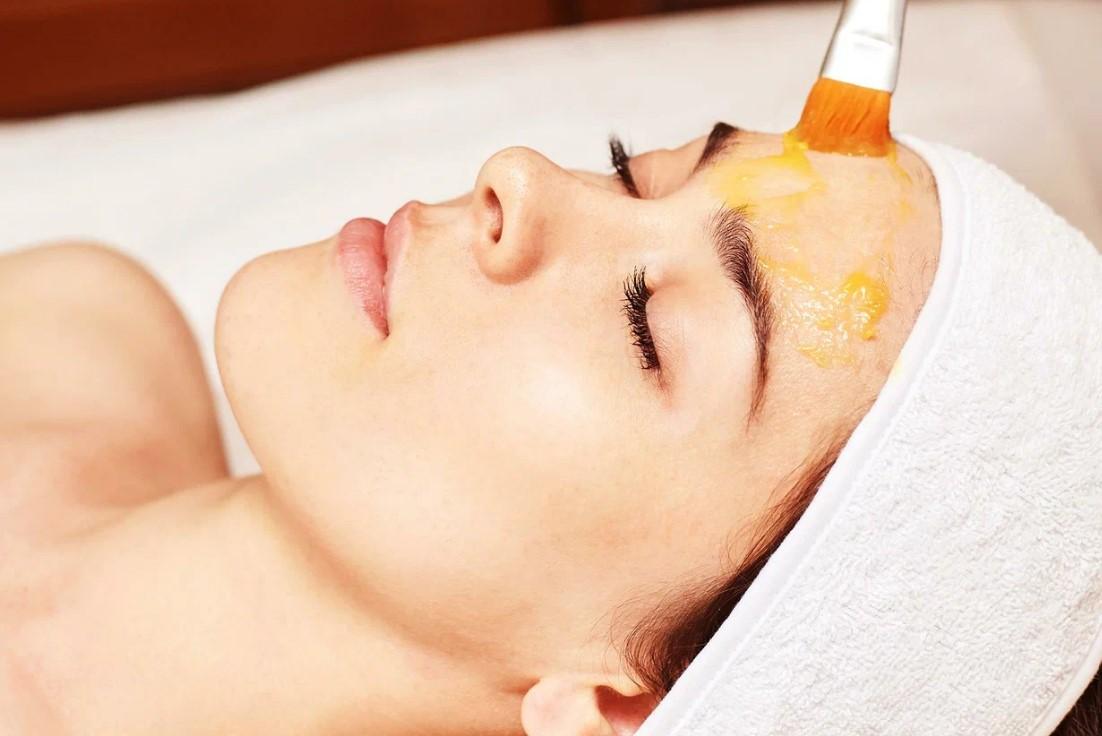
Choosing the Right Chemical Peel for Your Skin Type
Chemical peels are one of the most effective non-invasive treatments for improving skin texture, tone, and clarity. However, choosing the right chemical peel is essential because not every peel suits every skin type. The wrong choice can lead to irritation, uneven results, or increased sensitivity, while the right one can transform your skin safely and effectively.
This guide explains how to select the best chemical peel based on your skin type and concerns. Chemical Peels in Riyadh are becoming a popular choice for individuals seeking smoother, clearer, and more radiant skin.
Understanding Chemical Peels First
Before choosing a peel, it’s important to understand how they work. Chemical peels use acids to exfoliate the skin and remove dead or damaged layers. They are generally divided into three categories:
- Superficial peels: Gentle exfoliation of the outer skin layer
- Medium peels: Penetrate deeper into the skin for more visible correction
- Deep peels: Intensive treatment targeting severe skin concerns
Each type is designed for different skin conditions and sensitivities.
Choosing a Chemical Peel for Oily and Acne-Prone Skin
Oily and acne-prone skin benefits from peels that unclog pores, reduce oil production, and target acne-causing bacteria.
Best Options
- Salicylic acid peels
- Glycolic acid peels (light to medium strength)
Why They Work
Salicylic acid is oil-soluble, meaning it penetrates deep into pores to remove excess sebum and debris. This helps reduce blackheads, whiteheads, and active acne.
Recommended Strength
- Superficial peels for mild acne
- Medium peels for persistent acne and acne scars
Key Benefits
- Clearer pores
- Reduced breakouts
- Smoother skin texture
Choosing a Chemical Peel for Dry or Sensitive Skin
Dry and sensitive skin requires a gentle approach to avoid irritation and excessive peeling.
Best Options
- Lactic acid peels
- Mandelic acid peels
- Very mild glycolic acid peels
Why They Work
These acids are milder and help exfoliate while maintaining skin hydration. Lactic acid, in particular, also has moisturizing properties.
Recommended Strength
- Superficial peels only
Key Benefits
- Gentle exfoliation
- Improved hydration
- Brighter, smoother skin without irritation
Choosing a Chemical Peel for Combination Skin
Combination skin has both oily and dry areas, so it requires a balanced treatment approach.
Best Options
- Glycolic acid peels
- Lactic acid + glycolic acid combination peels
Why They Work
These peels help control oil in the T-zone while gently exfoliating drier areas of the face.
Recommended Strength
- Light to medium superficial peels
Key Benefits
- Balanced skin texture
- Reduced oiliness
- Improved overall tone
Choosing a Chemical Peel for Normal Skin
Normal skin can tolerate a wider range of peels and typically focuses on maintenance and glow enhancement.
Best Options
- Glycolic acid peels
- Enzyme peels
- Mild TCA peels (under supervision)
Why They Work
These peels help maintain skin clarity, boost radiance, and prevent early signs of aging.
Recommended Strength
- Superficial to mild medium peels
Key Benefits
- Healthy glow
- Smooth texture
- Even skin tone
Choosing a Chemical Peel for Hyperpigmentation and Dark Spots
Hyperpigmentation requires peels that target melanin production and encourage even skin tone.
Best Options
- Glycolic acid peels
- TCA peels (medium strength)
- Kojic acid or mandelic acid peels
Why They Work
These ingredients help break down pigmentation clusters and promote cell turnover.
Recommended Strength
- Medium peels for stubborn pigmentation
- Superficial peels for mild discoloration
Key Benefits
- Reduced dark spots
- More even complexion
- Brighter skin tone
Choosing a Chemical Peel for Aging Skin
Aging skin benefits from peels that stimulate collagen production and reduce fine lines and wrinkles.
Best Options
- TCA peels
- Glycolic acid peels
- Deep phenol peels (for severe cases, medical supervision required)
Why They Work
These peels penetrate deeper layers of skin, promoting collagen regeneration and improving firmness.
Recommended Strength
- Medium to deep peels depending on severity
Key Benefits
- Reduced wrinkles
- Improved skin elasticity
- Firmer, youthful appearance
Important Factors to Consider Before Choosing a Peel
Selecting the right peel is not only about skin type but also other important factors:
Skin Sensitivity
Sensitive skin should always start with mild peels to avoid irritation.
Downtime Tolerance
- Light peels: minimal downtime
- Medium peels: several days of recovery
- Deep peels: extended recovery period
Skin Goals
Whether your goal is acne control, anti-aging, or brightening will influence the type of peel you need.
Professional Consultation
A dermatologist can evaluate your skin and recommend the safest and most effective option tailored to your needs.
Common Mistakes to Avoid
Many people make mistakes when choosing chemical peels, such as:
- Using strong peels without skin preparation
- Choosing treatments based on trends instead of skin type
- Over-exfoliating with multiple products
- Skipping sun protection after treatment
Avoiding these mistakes helps ensure safe and effective results.
Final Thoughts
Choosing the right chemical peel depends on understanding your skin type, concerns, and sensitivity level. From gentle lactic acid peels for sensitive skin to stronger TCA peels for deeper concerns, there is a solution for almost every skin condition.

 English
 Arabic
 French
 Spanish
 Portuguese
 Deutsch
 Turkish
 Italiano
 Russian
 Romaian
 Portuguese (Brazil)
 Greek
Greek