


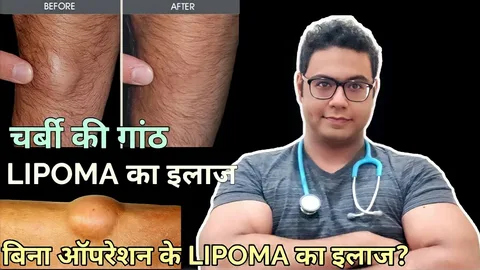
Is it a Lipoma? How to Identify Fatty Lumps Correctly
Finding a new lump on your body can be an unsettling experience, often leading to immediate questions about what it is and whether it requires medical intervention. In many cases, these soft, movable masses are simply lipomas—benign clusters of fat cells that grow slowly under the skin. For those residing in Saudi Arabia, seeking professional Lipoma Treatment in Riyadh is a common way to confirm a diagnosis and explore removal options for both comfort and cosmetic reasons. Learning how to distinguish a lipoma from other types of skin growths is the first step in managing your dermatological health and ensuring that any "fatty lump" is treated appropriately by a specialist.
Key Characteristics: How to Spot a Lipoma
While only a medical professional can provide a definitive diagnosis, lipomas typically follow a specific set of physical patterns. If you have discovered a lump, check it against these common "classic" lipoma traits:
-
The "Doughy" Feel: One of the most telling signs of a lipoma is its texture. It should feel soft, rubbery, or doughy—similar to the consistency of cooked pasta or soft silicone. If the lump feels hard like a pebble or bone, it is likely not a lipoma.
-
Ease of Movement: When you press on a lipoma with your finger, it should slide or "wiggle" easily under the skin. It is not attached to the underlying muscle or bone, nor is it fused to the surface of the skin.
-
Slow Growth Rate: Lipomas are the marathon runners of skin growths. They develop very slowly over months or years. A lump that appears overnight or doubles in size in a week requires immediate medical attention to rule out infection or more serious issues.
-
Painless Nature: Most lipomas do not hurt. However, if they grow large enough to press against a sensory nerve, or if they contain many small blood vessels (angiolipomas), they may cause a dull ache or sensitivity when touched.
-
Placement: They are most frequent in the "fatty" layers of the neck, shoulders, back, abdomen, and thighs.
Lipoma vs. Cysts: How to Tell the Difference
It is very common for people to confuse lipomas with sebaceous cysts. While both are generally harmless, they have different origins and feel different to the touch.
| Feature | Lipoma | Sebaceous Cyst |
| Texture | Soft, doughy, and rubbery. | Firmer, often feels like a small pea. |
| Skin Connection | Not attached to the skin surface. | Often has a tiny "pore" or blackhead at the center. |
| Fluid | Solid mass of fat. | Filled with keratin (a cheesy, oily substance). |
| Inflammation | Rarely becomes red or swollen. | Can become infected, red, and painful. |
| Mobility | Moves freely under the skin. | Less mobile; feels "tethered" to the skin. |
When Should You See a Specialist?
Even if you are fairly certain your lump is a lipoma, a professional evaluation is essential for peace of mind. In Riyadh’s advanced medical facilities, specialists use clinical examinations to ensure the growth is truly benign. You should prioritize an appointment if you notice:
-
Rapid Increase in Size: Any growth that changes quickly needs to be looked at.
-
Pain or Tenderness: Pain can indicate the lipoma is interfering with a nerve.
-
Firmness: If a previously soft lump becomes hard or immobile.
-
Skin Changes: If the skin over the lump becomes red, purple, or starts to ulcerate.
-
Interference with Movement: If a lipoma is near a joint and makes it difficult to move your arm or leg comfortably.
Modern Diagnostic Tools
When you visit a clinic for a suspected lipoma, the process is usually straightforward. Specialists in Saudi Arabia utilize a tiered approach to diagnosis:
-
Clinical Palpation: Most experienced doctors can identify a lipoma simply by feeling it.
-
Ultrasound Imaging: This is a non-invasive way to see the "borders" of the lump and confirm it is composed of fat rather than fluid or solid tissue.
-
MRI or CT Scan: These are rarely needed but may be used if the lipoma is exceptionally large or appears to be situated deep within the muscle tissue.
-
Biopsy: If there is any doubt, a small tissue sample is taken. This is the definitive way to rule out a liposarcoma, which is a very rare cancerous growth that can mimic a lipoma.
Options for Removal and Treatment
Once a lipoma is confirmed, the choice to remove it is often up to the patient. If the lump is small and doesn't bother you, a "watch and wait" approach is perfectly acceptable. However, many choose to proceed with removal for various reasons.
Surgical Excision
This remains the most popular method in Riyadh. A small incision is made, and the lipoma is "popped" out. The benefit of this method is that the entire fibrous capsule is removed, preventing the fat from growing back in the same spot.
Liposuction Technique
For individuals concerned about scarring, particularly on the arms or legs, liposuction can be used to suction out the fatty tissue through a tiny puncture. This is highly effective for larger lipomas but requires a skilled hand to ensure as much of the tissue is removed as possible.
Steroid Injections
In some cases, a steroid injection can be used to shrink the lipoma. While this doesn't usually make it disappear completely, it can reduce its visibility and any pressure it might be causing on surrounding tissues.
Life After Lipoma Removal
The recovery process following a removal procedure is typically seamless. Because these procedures are usually performed under local anesthesia, you are often in and out of the clinic within an hour.
-
Minimal Downtime: Most people return to their office jobs or daily chores immediately.
-
Scar Management: Saudi clinics are well-versed in aesthetic medicine, often using internal "dissolvable" stitches and silicone gels to ensure that any scar heals into a fine, nearly invisible line.
-
Permanent Results: Once a lipoma is fully excised, it is gone for good. While your body might develop new lipomas elsewhere if you are prone to them, the specific one removed will not return.
Summary: Clarity and Confidence
Identifying a fatty lump is the first step toward reclaiming your skin’s smooth appearance. By recognizing the signs of a lipoma—softness, mobility, and slow growth—you can approach a consultation with confidence. With the high standard of medical care available in Riyadh, addressing these growths is safe, quick, and highly effective, allowing you to move forward without the physical or emotional burden of an unwanted lump.

 Arabic
 French
 Spanish
 Portuguese
 Deutsch
 Turkish
 Dutch
Dutch
 Italiano
 Russian
 Romaian
 Portuguese (Brazil)
 Greek
Greek