


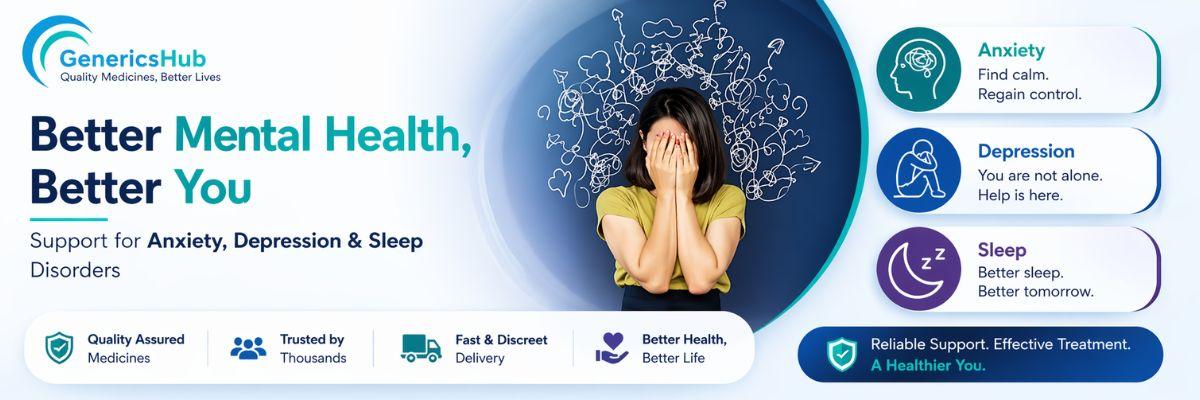
Anxiety can feel like a loop you just can’t escape. One worried thought leads to physical symptoms, which create more fear—and before you know it, you’re stuck. If you’ve been searching for how to break anxiety cycle, you’re not alone. Millions of people experience this pattern daily.
The good news? Mental health experts agree: the anxiety cycle can be broken with the right tools and strategies. This guide will show you exactly how—step by step—in a simple, practical way.
What Is the Anxiety Cycle?
The anxiety cycle is a repeating loop:
- Trigger (a thought, situation, or fear)
- Anxious thoughts (“What if something goes wrong?”)
- Physical symptoms (racing heart, sweating, tension)
- Avoidance or safety behaviors
- Temporary relief—but long-term worsening
Breaking this loop is key to learning how to get rid of anxiety and stress effectively.
Why Breaking the Anxiety Cycle Matters
If left unchecked, anxiety can:
- Lower your quality of life
- Affect sleep and concentration
- Lead to avoidance of important situations
- Increase risk of depression
According to global mental health data, anxiety disorders affect over 300 million people worldwide—so you’re far from alone.
Step-by-Step: How to Break Anxiety Cycle
1. Recognize the Pattern
You can’t fix what you don’t notice.
Start by asking:
- What triggers my anxiety?
- What thoughts follow?
- How does my body react?
👉 Awareness is the first step in learning how control anxiety effectively.
2. Challenge Anxious Thoughts
Anxiety often exaggerates danger.
Instead of:
- “Something bad will happen”
Try:
- “What evidence do I actually have?”
- “What’s the most realistic outcome?”
Expert Tip: Write your thoughts down and question them like a detective.
3. Calm Your Body First
Your body reacts faster than your mind.
Try:
- Deep breathing (inhale 4 sec, exhale 6 sec)
- Progressive muscle relaxation
- Grounding techniques (5-4-3-2-1 method)
This helps interrupt the physical side of the cycle.
4. Stop Avoidance Behaviors
Avoidance gives short-term relief—but strengthens anxiety long-term.
Instead:
- Face fears in small steps
- Gradually expose yourself to triggers
- Celebrate small wins
This is one of the most powerful ways to break the loop.
5. Build Daily Anti-Anxiety Habits
Consistency matters more than intensity.
Daily habits that help:
- Regular exercise (even 20 minutes)
- Good sleep routine
- Limiting caffeine
- Mindfulness or meditation
These support long-term success in how to get rid of anxiety and stress.
Role of Medication in Anxiety Treatment
For some people, therapy and lifestyle changes may not be enough.
Common Options
- SSRIs (first-line treatment)
- Benzodiazepines (short-term use)
- Beta-blockers (for physical symptoms)
If you’re researching medications for anxiety uk, consult a licensed healthcare provider for safe and legal guidance.
⚠️ Important:
- Avoid self-prescribing or trying to buy anxiety medication online without medical advice
- Always follow a doctor’s recommendation
Medication works best when combined with therapy.
Can You Get Disability for Anxiety?
Yes—in some cases.
If anxiety:
- Severely limits daily functioning
- Prevents you from working
- Is medically documented
You may qualify.
So, Can You Get Disability for Anxiety?
👉 Yes, but it depends on severity, medical records, and local regulations.
Consult a professional for proper evaluation and documentation.
Practical Expert Tips You Can Start Today
- Start a “worry journal” to track patterns
- Set a daily 10-minute “worry time”
- Practice saying: “This is anxiety, not danger”
- Reduce information overload (especially social media)
- Stay connected—don’t isolate
These small steps can create big changes over time.
When to Seek Professional Help
Reach out if you:
- Feel overwhelmed most days
- Avoid normal activities
- Experience panic attacks
- Have trouble sleeping regularly
Therapies like CBT (Cognitive Behavioral Therapy) are highly effective for breaking anxiety cycles.
FAQs
1. How long does it take to break the anxiety cycle?
It varies. Some people see improvement in weeks, others take months. Consistency is key.
2. Can anxiety go away completely?
It may not disappear entirely, but it can become manageable and no longer control your life.
3. Is medication necessary for anxiety?
Not always. Many people improve with therapy and lifestyle changes. Medication is helpful in moderate to severe cases.
4. What is the fastest way to calm anxiety?
Deep breathing and grounding techniques can provide immediate relief.
5. Can I manage anxiety on my own?
Yes, mild anxiety can often be managed with self-help strategies. For severe symptoms, professional help is recommended.
Final Thoughts
Learning how to break anxiety cycle isn’t about eliminating anxiety overnight—it’s about changing how you respond to it.
With the right tools:
- You can interrupt the loop
- Regain control
- Feel calmer and more confident
Whether you’re exploring therapy, lifestyle changes, or resources like genericshub, the key is to take that first step today.
Small actions, repeated daily, can completely change your relationship with anxiety.

 English
 Arabic
 French
 Spanish
 Portuguese
 Turkish
 Dutch
Dutch
 Italiano
 Russian
 Romaian
 Portuguese (Brazil)
 Greek
Greek