


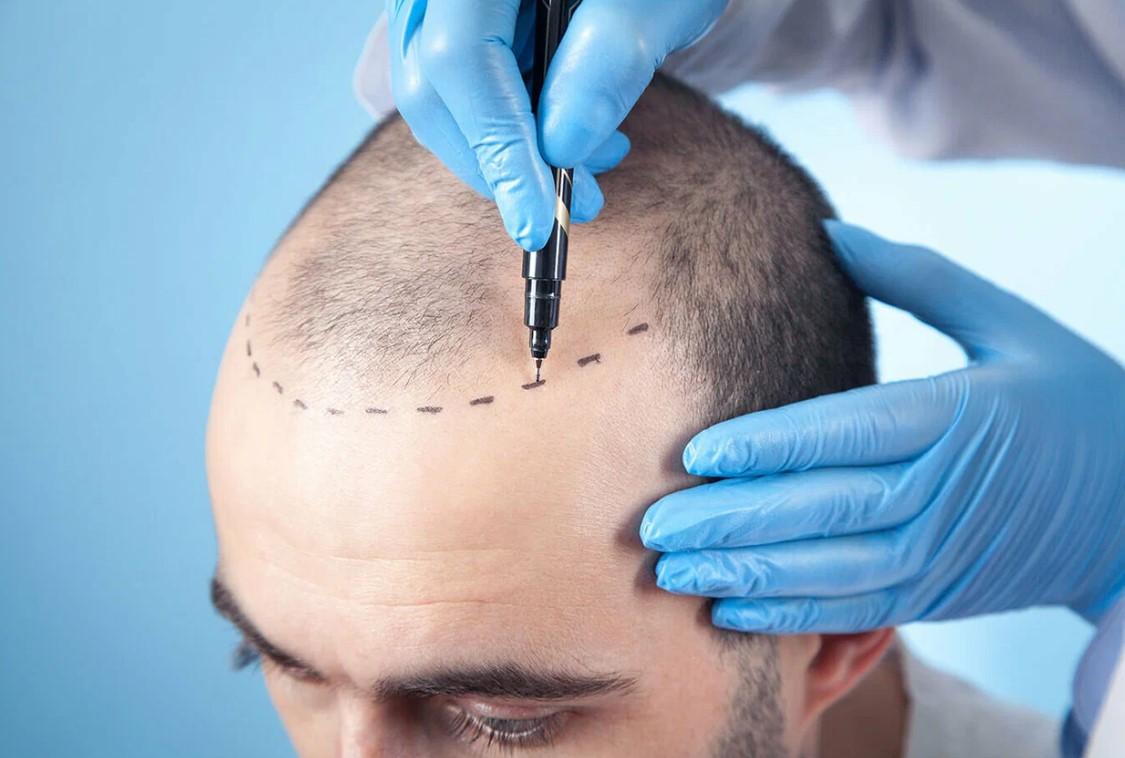
Possible Side Effects and Risks of Hair Transplant Surgery
Hair transplant surgery is generally considered a safe and effective procedure for restoring hair, especially when performed by an experienced surgeon. However, like any medical or cosmetic surgery, it still carries certain side effects and risks. Understanding these beforehand helps patients make informed decisions and set realistic expectations. Hair transplant in Riyadh is becoming a popular solution for people looking to restore natural hair growth and improve their overall appearance.
In cities like Riyadh, where advanced techniques such as FUE, FUT, and DHI are widely available, complications are rare but still possible depending on individual health, surgical skill, and aftercare.
Common Short-Term Side Effects
Most side effects after a hair transplant are mild and temporary. They usually resolve within a few days to a couple of weeks.
1. Swelling of the Scalp and Forehead
Swelling is one of the most common post-operative effects.
Why it happens:
- Body’s natural response to surgery
- Fluid accumulation around treated areas
What to expect:
- Mild to moderate swelling around the forehead and eyes
- Peaks within 2–3 days
- Gradually subsides within a week
Most clinics recommend sleeping with the head elevated to reduce swelling.
2. Pain and Discomfort
Although the procedure is done under local anesthesia, mild discomfort can occur afterward.
Symptoms include:
- Tightness in donor and recipient areas
- Mild soreness or tenderness
- Temporary sensitivity of the scalp
Duration:
- Usually lasts 2–5 days
- Managed easily with prescribed painkillers
3. Itching of the Scalp
Itching is a normal part of the healing process.
Causes:
- Healing of micro-incisions
- Dryness of the scalp
- Formation of scabs
Important:
- Scratching should be avoided
- Can be managed with gentle cleaning and medicated sprays
4. Scabbing and Crust Formation
Small scabs form around transplanted grafts.
What to expect:
- Appears within 2–5 days after surgery
- Naturally falls off within 7–14 days
- Should not be picked or scratched
This is a normal part of graft healing.
5. Temporary Hair Shedding (Shock Loss)
One of the most concerning but normal effects is shock loss.
What happens:
- Transplanted hairs may shed within 2–6 weeks
- Existing nearby hairs may also temporarily fall out
Important:
- This is temporary
- New hair growth usually begins after 3–4 months
6. Numbness or Tingling
Some patients experience temporary changes in scalp sensation.
Symptoms:
- Numbness in donor or recipient areas
- Tingling or “pins and needles” feeling
Duration:
- Usually resolves within a few weeks to months
Potential Risks and Complications
Although rare, more serious complications can occur, especially if the procedure is not performed properly or aftercare instructions are not followed.
1. Infection
Infection is uncommon but possible in any surgical procedure.
Signs include:
- Redness and swelling
- Pain that worsens instead of improving
- Pus or unusual discharge
Prevention:
- Proper sterilization during surgery
- Antibiotics prescribed after procedure
- Good scalp hygiene during recovery
2. Bleeding
Minor bleeding can occur during or after surgery.
When it happens:
- During follicle extraction or implantation
- If post-op instructions are not followed
Risk level:
- Generally low and easily controlled
- Higher risk in patients taking blood-thinning medications
3. Poor Graft Survival
Not all transplanted hair follicles may survive.
Causes:
- Poor surgical technique
- Improper handling of grafts
- Smoking or poor post-operative care
- Poor blood supply to scalp
This can lead to uneven or less dense results.
4. Unnatural Hairline Design
A poorly designed hairline can affect aesthetic outcomes.
Possible issues:
- Uneven or artificial-looking hairline
- Wrong angle or direction of hair growth
- Overly low or high placement
This risk is highly dependent on surgeon expertise.
5. Scarring
Scarring depends on the technique used.
FUT:
- Linear scar in donor area
FUE:
- Tiny dot scars, usually barely visible
DHI:
- Minimal scarring due to precise implantation
Improper technique may increase visible scarring.
6. Cysts or Ingrown Hairs
Small cysts may form if grafts are not implanted correctly.
Characteristics:
- Small, painless bumps
- Usually resolve on their own
- Rarely require medical treatment
7. Uneven Density or Patchy Results
In some cases, hair growth may not be uniform.
Causes:
- Uneven graft placement
- Variation in graft survival
- Poor planning of donor area usage
Revision procedures may be needed in such cases.
How to Minimize Risks
Most complications can be avoided by following simple guidelines:
- Choose a qualified and experienced surgeon
- Follow all pre- and post-operative instructions carefully
- Avoid smoking and alcohol
- Maintain proper scalp hygiene
- Attend follow-up appointments
Final Thoughts
Hair transplant surgery is generally safe, with most side effects being mild and temporary. Common issues like swelling, itching, and shedding are part of the normal healing process and should not cause concern.
However, risks such as infection, poor graft survival, or unnatural results can occur if the procedure is not performed correctly or aftercare is neglected.
Choosing a skilled surgeon and following proper medical guidance significantly reduces these risks and ensures natural, long-lasting results.

 Arabic
 French
 Spanish
 Portuguese
 Deutsch
 Turkish
 Dutch
Dutch
 Italiano
 Russian
 Romaian
 Portuguese (Brazil)
 Greek
Greek