


Why Some Tattoos Are Harder to Remove Than Others
Laser tattoo removal is highly effective, but not all tattoos respond the same way. Some fade quickly within a few sessions, while others require many treatments and still leave faint traces. This difference happens because tattoos vary in ink type, depth, color, age, and how the body reacts to them.
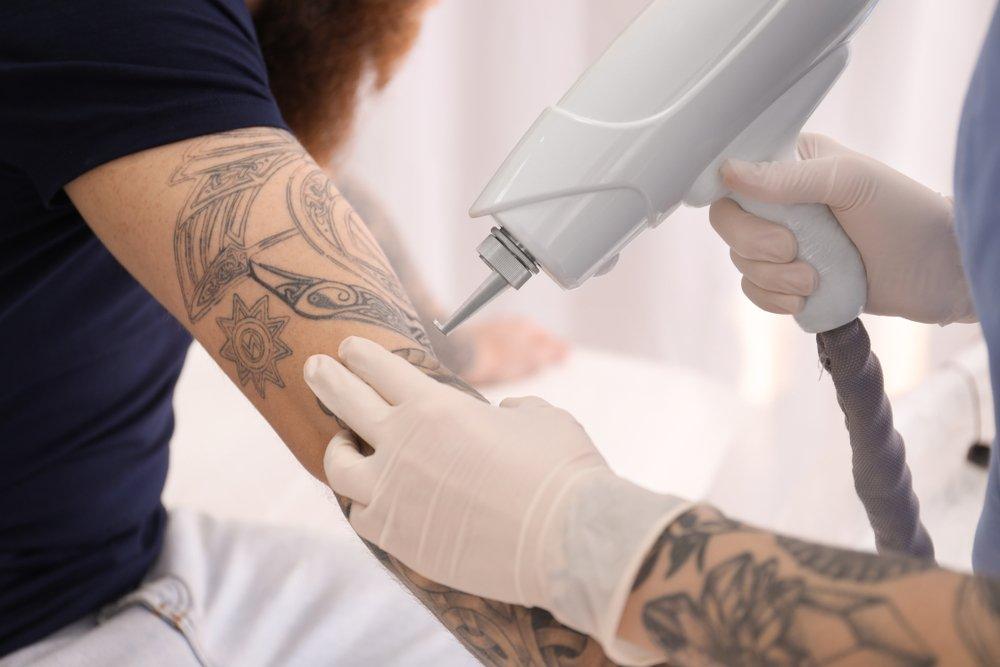
Understanding why some tattoos are harder to remove helps set realistic expectations and explains why personalized treatment plans are essential. Tattoo removal in Riyadh is commonly done using advanced laser techniques that gradually fade ink from the skin over multiple sessions.
🧬 1. Ink Color Makes a Big Difference
One of the biggest factors affecting tattoo removal difficulty is ink color.
Easier colors to remove:
- Black
- Dark blue
These colors absorb laser energy very effectively, making them break down faster.
Harder colors to remove:
- Green
- Yellow
- Light blue
- Pastel shades
These pigments reflect more laser light instead of absorbing it, meaning more sessions and different laser wavelengths are required.
This is why multicolored tattoos are usually more challenging than single-color designs.
🎯 2. Depth of Ink in the Skin
Tattoo ink is placed in the dermis, the deeper layer of the skin, but not all tattoos are applied at the same depth.
- Shallow ink: easier to break down
- Deep ink: requires stronger energy and more sessions
Professional tattoo artists often place ink deeper and more evenly, which makes removal slower compared to amateur tattoos that are less uniform.
🖊️ 3. Tattoo Age (Old vs New Tattoos)
Tattoo age plays an important role in how easily it can be removed.
Older tattoos:
- Naturally fade over time
- Ink particles are already partially broken down
- Usually respond faster to laser treatment
New tattoos:
- Ink is dense and stable
- Requires more sessions to break apart
- Skin may also be more reactive
This is why waiting a few months after getting a tattoo before removal is often recommended.
🧪 4. Type and Quality of Ink Used
Not all tattoo inks are created equal.
Professional-grade ink:
- Highly concentrated
- Designed to last longer
- More resistant to laser breakdown
Low-quality or amateur ink:
- May fade faster
- Often easier to remove
Some modern inks also contain complex chemical compounds that are harder for lasers to target, increasing treatment difficulty.
🧱 5. Tattoo Density and Size
The way a tattoo is designed also affects removal:
- Heavy shading or solid black areas: harder to treat
- Fine-line tattoos: usually easier
- Large tattoos: require more time and sessions
Dense tattoos absorb more laser energy per session but also require more repeated treatments to fully clear.
🧑⚕️ 6. Skin Type and Immune Response
Your body plays a major role in tattoo removal.
After laser treatment, the immune system breaks down and clears ink particles. If this process is slow, removal takes longer.
Factors include:
- Natural immune system strength
- Skin tone and sensitivity
- Healing speed
People with faster lymphatic activity often see quicker fading results.
⚡ 7. Type of Laser Technology Used
The equipment used in tattoo removal clinics also matters.
Q-switched lasers:
- Standard technology
- Effective but may require more sessions
Picosecond lasers:
- Newer and faster pulse technology
- Breaks ink into smaller particles
- Often reduces total number of sessions
However, even with advanced lasers, some tattoos remain stubborn due to ink composition and depth.
☀️ 8. Location of Tattoo on the Body
Blood flow and skin thickness affect healing and ink removal:
- Areas with strong circulation (like arms and upper body): remove faster
- Areas with poor circulation (like ankles or fingers): slower removal
Slower circulation means the immune system takes longer to clear ink particles.
🧴 9. Aftercare and Lifestyle Factors
Proper aftercare directly affects how quickly tattoos fade.
Poor care can slow removal due to:
- Sun exposure (darkens pigment)
- Picking scabs or irritation
- Smoking (slows circulation and healing)
Good aftercare improves skin recovery and supports faster ink clearance.
📌 Conclusion
Some tattoos are harder to remove than others because of a combination of factors including ink color, depth, quality, tattoo age, body location, and individual immune response. Multicolored, deeply inked, and professionally done tattoos are usually the most challenging, while older, black-ink tattoos are typically easier to remove.
Laser technology continues to improve, but tattoo removal is still a biological process that depends heavily on how both ink and the human body respond over time. Understanding these differences helps set realistic expectations and ensures better treatment planning and results.

 English
 Arabic
 French
 Portuguese
 Deutsch
 Turkish
 Dutch
Dutch
 Italiano
 Russian
 Romaian
 Portuguese (Brazil)
 Greek
Greek