


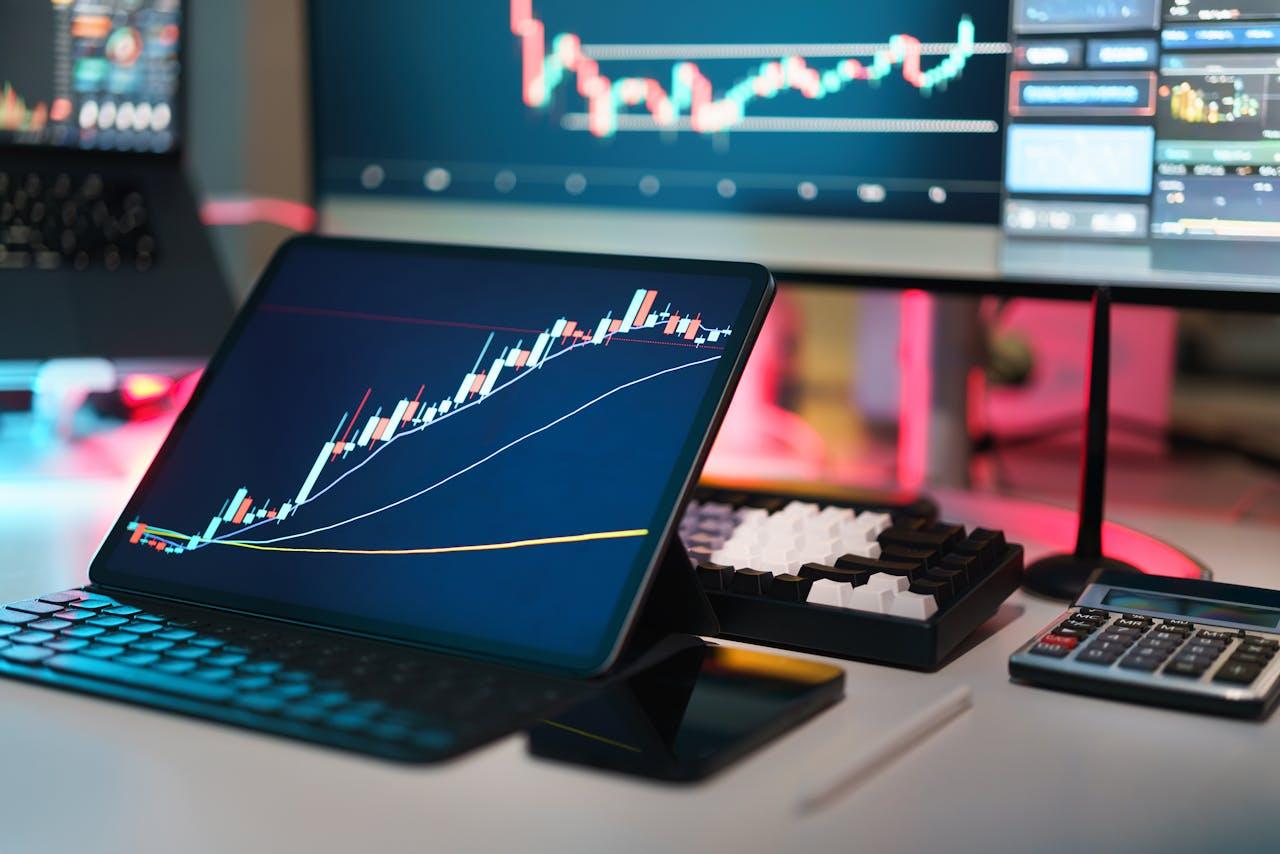
A good forecast means little without precise execution. Even perfect logic fails when the entry comes too early or ends too late. Markets move fast, especially in round-the-clock currency exchanges. Spotting direction matters, yet the moment matters more. Missing that shift by minutes completely changes outcomes. Success hides less in predictions, more in split-second precision.
Timing Affects Outcomes in Forex Trading
Minutes might pass before a shift shows up, then again, it could strike in seconds. Economic numbers often spark changes, although world politics sometimes lights the fuse instead. Mood among traders plays a role too, not just hard facts. Wild swings? Normal here. A single report can tilt everything without warning.
When the moment feels right, traders step in at better prices, leaving before shifts take hold. Mistakes when they act might drain gains from setups that looked strong earlier. On live forex platforms, choices made by the second shape whether insights become real outcomes.
Entry Timing: Getting In at the Right Moment
Most traders struggle with timing their entry correctly. Jump in before it's ready; the price could turn on you while you wait for the setup to develop. Hang back too long, and much of the shift might already be gone by then.
Most who win in trading sit tight until signs show up. A move past a price point might signal it, maybe a certain candle shape on screen, when levels line up just right near support or resistance. Waiting matters most at the start in foreign exchange markets done through internet platforms. That pause usually brings steadier moves, better balance between possible gain and loss.
Exit Timing: How to Keep Gains and Cut Losses
Stopping a trade matters just as much as starting it. Lots of people pay attention to getting in, yet hardly plan when to get out.
Most wins come down to knowing when to step away. Sometimes it is about protecting what you made instead of waiting too long. Price shifts fast in online currency markets - timing matters more than guesswork. Some rely on preset targets to close trades, while others adjust stop points as the price moves. Staying ahead means planning your way out before things turn. A solid strategy keeps profit safe while cutting room for big drops.
The Role of Market Sessions
When the clock ticks, it matches up with trading zones. Though currency markets never sleep, sometimes hum while others drag. Tokyo leads the day, followed by London's rush, then New York picks up the pace.
One thing stands out about every session, it plays by different rules. Take Europe and the U.S., they often bring wilder price swings along with deeper market activity. More movement means more room to find trades, though danger rises too. When dealing in online forex, knowing when these windows open shapes how traders time their moves around personal plans.
News and Economic Events
When economic updates drop, currencies tend to react fast. Take interest rates, those shifts stir things up right away. Employment numbers come out? Markets jump. Inflation figures land? Prices twitch without delay.
Timing matters most when markets shift suddenly. Though some sit out big announcements, others dive in hoping to gain. When trading currencies on the web, knowing what's next on the calendar keeps moves ahead of surprises.
Avoiding Overtrading
Most times, jumping into deals too fast causes extra trading. Jumping at every chance happens when someone can’t stay out of the game. Missing solid signals becomes likely if patience runs thin.
Most skilled traders know timing matters more than constant activity. When the market does not align with their plan, they step back instead of rushing in. Forex trading online rewards those who pause until the setup feels right. This patience cuts reckless moves, shaping steadier results over time.
Timing Meets Strategy
Timing shifts based on the method used. While one person watches tiny price jumps, jumping in when markets jump around fast. Another waits longer, keeping trades open past several sunsets. Precision matters less when staying put for days at a stretch.
Timing fits best when it follows a clear plan. With online forex trading, staying steady means using identical timing steps repeatedly instead of jumping between different methods without reason.
Emotional Control and Timing
Timing often bends under feelings. Out of fear, someone might leave a trade fast, greed, though, tends to stretch stays beyond reason.
Most times, keeping cool makes it easier to time moves right. When traders control how they feel, patience grows, setups get clearer, exits happen as planned. Online currency markets reward those who stay steady; results turn steadier too.
Practice and Experience
Practice shapes timing. As traders watch price moves over weeks, their sense of rhythm grows sharper. Moments that once seemed random start revealing structure. With repetition, hesitation fades into instinctive decisions.
Some traders start with fake accounts just to get the feel for when to act. Later on, patterns begin showing up, how prices shift when things change around them. When dealing in foreign currencies through internet platforms, those moments add up, shaping clearer choices and steadier nerves.
Conclusion
Most trades live or die by when they happen. This thread ties together thinking, planning, and acting as one motion. Better results tend to follow those who sharpen their sense of the moment, same plan, different outcome.
Waiting often works better than moving fast in online currency trading. When moments feel right, that is when steps make sense, built on readiness, calm focus, and slowing down at edges. Good choices come not from rushing but from staying steady, spotting openings without grabbing. Risk fades when actions follow rhythm, not impulse.

 English
 Arabic
 French
 Portuguese
 Deutsch
 Turkish
 Dutch
Dutch
 Italiano
 Russian
 Romaian
 Portuguese (Brazil)
 Greek
Greek