


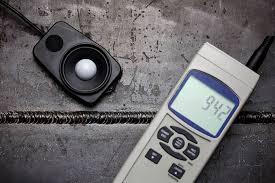
When we step into a workspace, our focus is usually on the day’s agenda, the morning coffee, or the colleagues we are about to meet. However, there is a silent partner in our productivity that we often overlook until it causes a headache or makes us squint at our screens: the light. The way a room is illuminated directly impacts our mood, our energy, and our long-term health. In Australia, we have a clear set of benchmarks known as the Office lux levels Australian Standards (specifically the AS/NZS 1680 series) that help ensure our workplaces are not just functional, but truly supportive of the people inside them.
Adhering to these standards is about much more than legal compliance. It is a commitment to the human experience of work. By getting the lighting right, we create an environment that respects our biological needs, allowing us to work with clarity and leave the office feeling as refreshed as when we arrived.
The Science of Sight: What is a Lux Level?
Before diving into the specifics, it helps to understand what we are actually measuring. A "lux" is a unit used to measure the intensity of light as it hits a surface. Imagine pouring a glass of water onto a table; lux measures how much "liquid light" is covering that specific area. When we talk about Office lux levels Australian Standards, we are looking at the minimum amount of light required for different types of work to be done safely and comfortably.
In a typical office setting, the goal is to provide enough light to see detail without causing the discomfort of excessive brightness. Light that is too dim forces the muscles in our eyes to work harder, leading to fatigue. Conversely, light that is too bright can cause glare, which is equally taxing. The Australian Standards provide a scientifically backed "sweet spot" that balances these needs, ensuring that the visual environment is optimized for human performance.
Beyond Brightness: The Importance of Light Quality
While lux levels measure quantity, the quality of light is just as important for a healthy workplace. The Australian Standards also consider factors like glare and color rendering. Glare occurs when one part of the visual field is much brighter than the rest, such as a bright window reflecting off a computer screen. This contrast is a major source of eye strain and can lead to significant discomfort over time.
A professional assessment of Office lux levels Australian Standards will also look at the Unified Glare Rating (UGR). This helps facility managers choose fixtures and layouts that minimize harsh reflections. Additionally, the color temperature of the light—whether it feels "warm" and yellow or cool and blue—affects our alertness. By aligning artificial lighting with the natural variations of daylight, we can support our internal clocks, helping us stay focused during the day and sleep better at night.
The Human Impact: Why Lighting Matters for Wellness
We are biological beings that have evolved under the cycle of the sun. When we move indoors for eight hours a day, we lose that natural connection. Poor lighting is a primary contributor to Sick Building Syndrome, where occupants experience headaches, lethargy, and a lack of motivation. By prioritizing the Office lux levels Australian Standards, an organization is sending a clear message that it values the physical and mental health of its team.
When the lighting is right, people feel more energized and capable. Communication improves because we can better read facial expressions and body language. Mistakes decrease because we can see the fine print without effort. It turns the office into a space that fuels innovation rather than one that drains energy. It is a quiet but powerful way to lead with empathy, ensuring that the environment works for the people, not against them.
Simple Steps to Improve Your Visual Environment
Achieving the right balance does not always require a total lighting overhaul. Often, small and thoughtful changes can bring a workspace closer to the Office lux levels Australian Standards. Start by making the most of natural light; keeping windows clean and moving high partitions can allow sunlight to reach deeper into the room.
Adding individual task lighting, like adjustable desk lamps, allows people to customize their own light levels based on their personal comfort and the specific task they are doing. Replacing old, flickering fluorescent tubes with high-quality LEDs can also make a world of difference, providing a steady and clear light source that is much easier on the eyes. The goal is to create a layered lighting scheme that is as flexible and dynamic as the work being done within it.
A Vision for a Brighter Future
As we continue to evolve the way we design our professional lives, the focus on holistic wellness is becoming a standard in itself. We are learning that a successful business is built on a foundation of healthy, happy people. This means clean air, comfortable temperatures, and, most certainly, high-quality light.
Investing in an assessment of Office lux levels Australian Standards today is a step toward that brighter future. It ensures that your workplace is a source of clarity and inspiration. By leading with science and a focus on human comfort, you can create a workspace where everyone can see their way to success. In the end, the most valuable thing we can provide is an environment where people can thrive, supported by a visual landscape that is as bright and promising as their own potential.

 Arabic
 French
 Spanish
 Portuguese
 Deutsch
 Turkish
 Dutch
Dutch
 Italiano
 Russian
 Romaian
 Portuguese (Brazil)
 Greek
Greek