


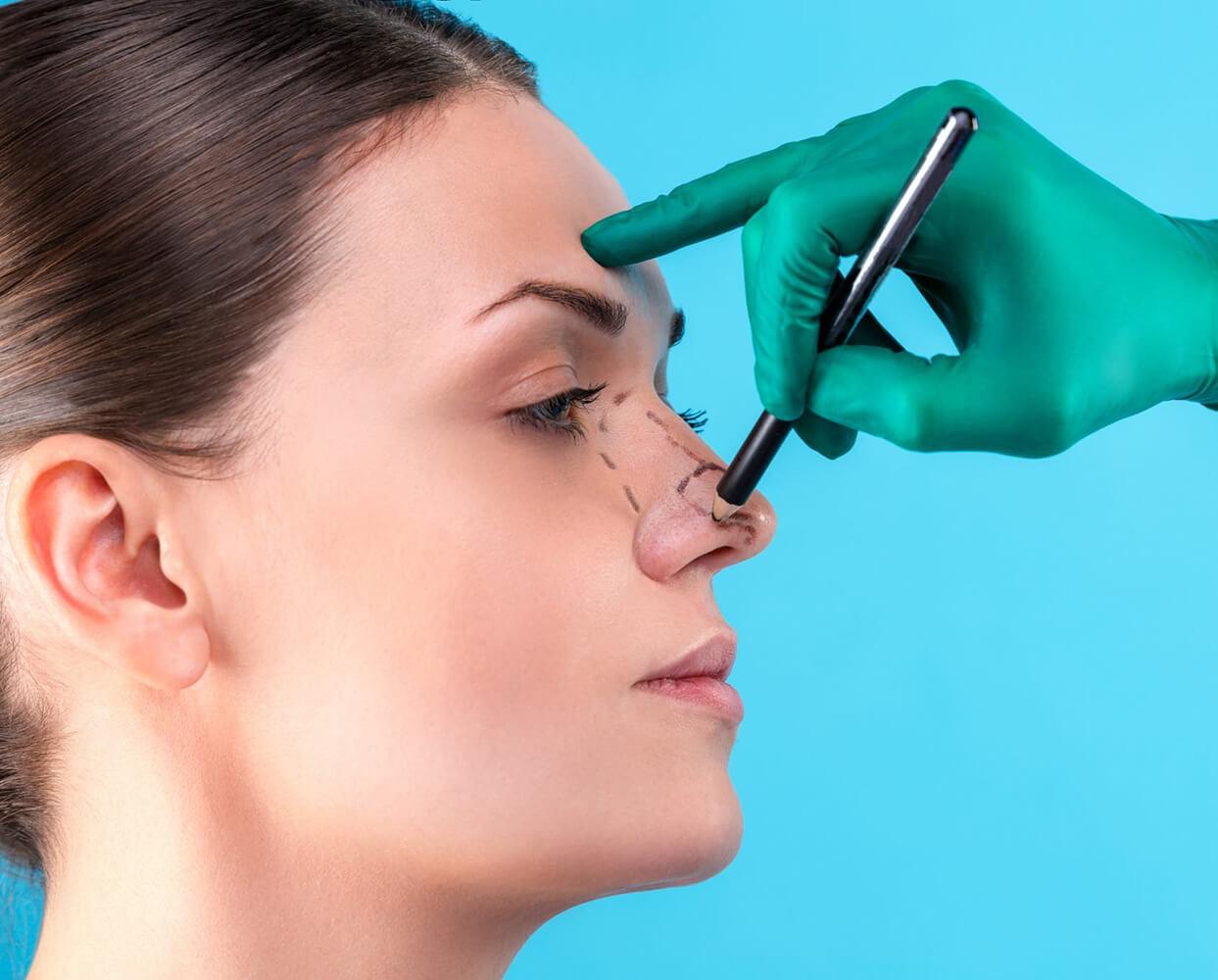
Non-Surgical Nose Reshaping Alternatives: Options, Results, and Limitations
Introduction
Non-surgical nose reshaping has become increasingly popular for individuals who want to improve nasal appearance without undergoing surgery. These methods focus on temporary or minimally invasive adjustments rather than permanent structural changes. While they cannot replace surgical correction in terms of long-term results, they can offer subtle improvements in shape, symmetry, and contour. Rhinoplasty in Riyadh is a commonly sought procedure for individuals aiming to improve both the appearance and function of their nose.
Understanding non-surgical nose reshaping alternatives helps set realistic expectations about what can and cannot be achieved.
What Is Non-Surgical Nose Reshaping?
Non-surgical nose reshaping refers to cosmetic techniques that modify the appearance of the nose without cutting or permanently altering bone and cartilage. These methods are typically quick, require little to no downtime, and are reversible in most cases.
They are mainly used to:
- Improve nasal symmetry
- Smooth minor bumps or irregularities
- Enhance nasal bridge definition
- Refine nasal tip appearance
However, they do not reduce nose size or correct internal structural problems.
Dermal Fillers for Nose Reshaping
One of the most common non-surgical methods is the use of dermal fillers. These are gel-like substances injected beneath the skin to add volume and reshape contours.
How fillers work:
Dermal fillers are strategically placed to balance uneven areas of the nose. For example, a small amount can be used to smooth a bump on the nasal bridge by filling the surrounding area, creating a straighter visual line.
Common improvements include:
- Smoothing minor bumps
- Enhancing nasal bridge definition
- Improving symmetry
- Lifting a slightly drooping nasal tip
Limitations:
- Results are temporary
- Cannot reduce nose size
- Not suitable for major structural issues
- Requires repeat treatments to maintain effect
Fillers are best for subtle refinements rather than dramatic changes.
Thread Lifting for the Nose
Thread lifting is another minimally invasive option used for nasal enhancement. It involves inserting fine, dissolvable threads under the skin to lift and support nasal structures.
How it works:
Threads provide temporary internal support, helping to adjust the position of the nasal tip or bridge. Over time, they also stimulate mild collagen production, which can slightly improve skin firmness.
Common uses:
- Slight nasal tip lift
- Mild bridge enhancement
- Subtle reshaping of nasal contour
Limitations:
- Temporary results
- Limited lifting capacity
- Not effective for significant structural concerns
- May require repeat procedures for maintenance
Thread lifting is generally used for minor aesthetic adjustments.
Nose Shaping Devices and External Tools
Various external devices claim to reshape the nose by applying pressure over time. These tools are widely available but have limited scientific support.
Types include:
- Nasal clips
- Nose shapers
- External compression devices
Claimed effects:
- Narrowing nasal width
- Sharpening nasal tip
- Improving symmetry
Reality of results:
- Effects are generally temporary or minimal
- Do not alter bone or cartilage structure in adults
- May cause discomfort if overused
These tools may provide temporary visual changes but do not create permanent reshaping.
Makeup Contouring Techniques
Makeup is one of the simplest and most accessible non-surgical methods for altering nasal appearance.
How it works:
By using light and shadow techniques, makeup can create the illusion of a more defined or balanced nose shape.
Common techniques:
- Highlighting the nasal bridge to create a slimmer appearance
- Shading the sides of the nose for contouring
- Defining the tip for better symmetry
Benefits:
- Completely non-invasive
- No downtime or recovery
- Adjustable for different looks
Limitations:
- Temporary and cosmetic only
- Does not change physical structure
- Requires skill and practice for natural results
Makeup remains a popular option for short-term aesthetic enhancement.
Skin and Lifestyle-Based Improvements
While not directly reshaping the nose, certain skincare and lifestyle practices can enhance overall nasal appearance.
These include:
- Reducing facial puffiness through hydration and diet
- Managing allergies that cause nasal swelling
- Maintaining healthy skin texture for better light reflection
- Improving facial symmetry through posture and facial exercises
These methods do not change nasal structure but can influence how the nose appears visually.
Advantages of Non-Surgical Nose Reshaping
Non-surgical options offer several benefits, making them appealing to many individuals.
Key advantages:
- Minimal downtime
- Lower immediate risk compared to surgery
- Quick procedures or application
- Reversible or adjustable results
- Suitable for subtle cosmetic improvements
These features make non-surgical options attractive for individuals seeking mild enhancement or temporary changes.
Limitations and Considerations
Despite their benefits, non-surgical methods have important limitations.
Main limitations include:
- Temporary results requiring maintenance
- Inability to correct internal structural issues
- Limited effectiveness for major reshaping
- Risk of uneven or inconsistent results if not done properly
Because of these limitations, non-surgical approaches are best suited for minor cosmetic adjustments rather than significant nasal transformation.
Conclusion
Non-surgical nose reshaping alternatives provide flexible and minimally invasive options for individuals seeking subtle improvements in nasal appearance. Techniques such as dermal fillers, thread lifting, makeup contouring, and external devices can enhance symmetry and definition without surgery.

 English
 Arabic
 French
 Spanish
 Portuguese
 Deutsch
 Turkish
 Dutch
Dutch
 Italiano
 Romaian
 Portuguese (Brazil)
 Greek
Greek