


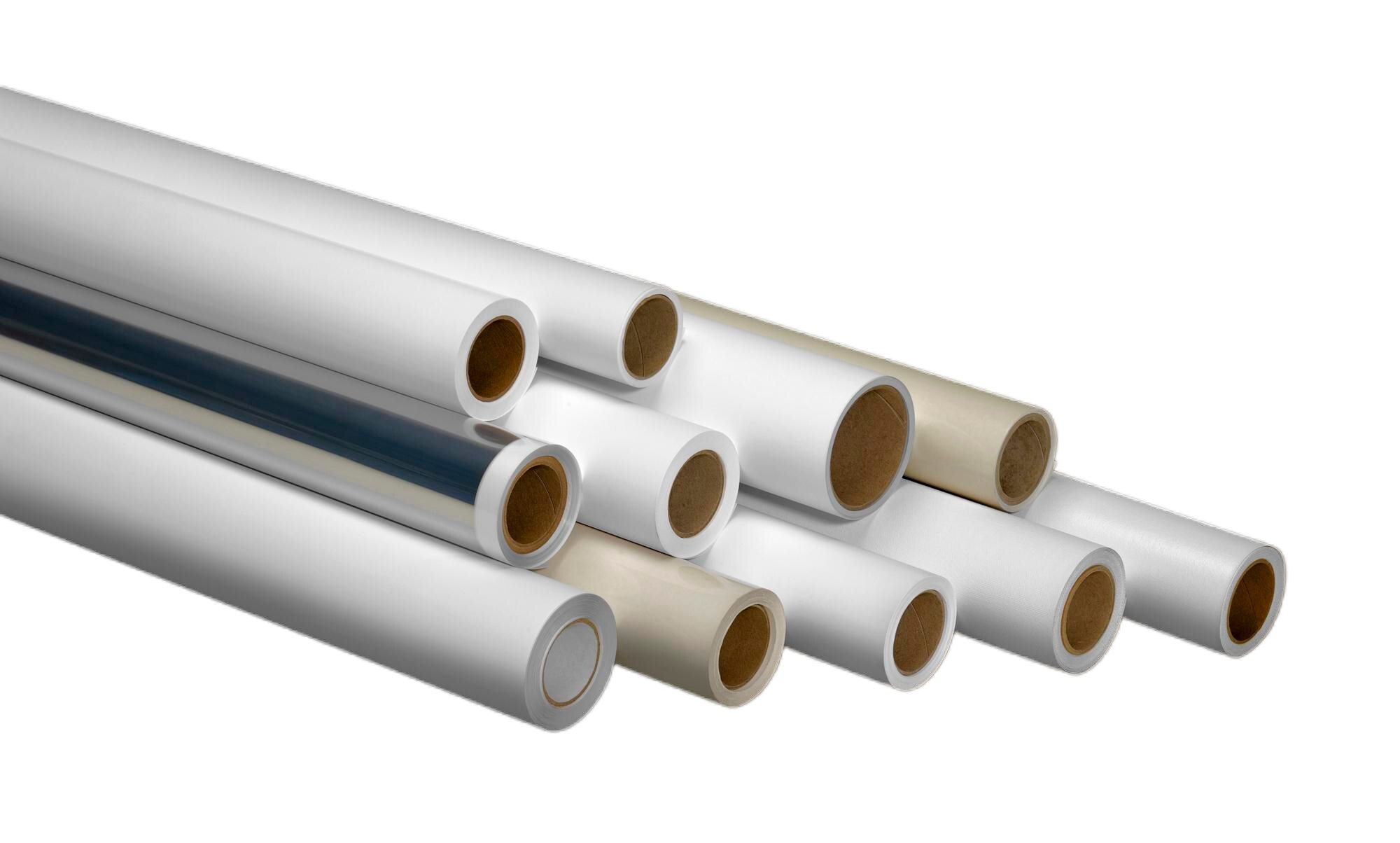
When it comes to industrial piping systems, not all materials are created equal. Some are designed for basic water supply, while others are engineered to withstand highly corrosive chemicals, extreme temperatures, and demanding operational environments. One such high-performance material that stands out in modern engineering is PVDF Pipe.
In industries where safety, purity, and long-term reliability matter, PVDF pipes have become a trusted choice. Whether it’s chemical processing, pharmaceuticals, water treatment, or semiconductor manufacturing, these pipes are quietly playing a critical role behind the scenes.
At trusted suppliers like ANZ Waters, PVDF piping systems are part of advanced industrial solutions designed to meet global standards of performance and durability.
Understanding PVDF Pipes in Simple Terms
PVDF is a type of advanced thermoplastic fluoropolymer. While that sounds highly technical, the idea is actually simple: it is a plastic material engineered to perform in environments where normal plastic would fail.
Think of it like this—regular pipes are like everyday shoes, suitable for walking on smooth roads. PVDF pipes, on the other hand, are like heavy-duty trekking boots designed for mountains, heat, rain, and rough terrain.
PVDF pipes are specially made to:
- Resist aggressive chemicals
- Handle high temperatures
- Maintain purity of transported fluids
- Last for years with minimal maintenance
This combination makes them one of the most dependable piping solutions in industrial applications.
Why Industries Prefer PVDF Pipes
In many industries, failure is not an option. A small leak or chemical reaction inside a piping system can lead to costly downtime or even safety hazards. This is where PVDF pipes prove their value.
1. Exceptional Chemical Resistance
One of the biggest advantages of PVDF pipes is their ability to resist a wide range of chemicals, including strong acids and solvents. Many materials degrade or corrode over time when exposed to harsh chemicals, but PVDF remains stable.
This is why industries like chemical manufacturing and wastewater treatment rely heavily on it.
2. High Temperature Performance
Industrial systems often involve hot liquids or fluctuating temperatures. PVDF pipes can typically handle temperatures up to around 120°C, making them suitable for demanding thermal conditions.
Unlike low-grade plastics that soften or deform under heat, PVDF maintains its structure and performance.
3. Long Service Life
One of the most appreciated qualities of PVDF piping is durability. Once installed correctly, these pipes can last for many years without significant wear and tear. This reduces maintenance costs and minimizes system downtime.
In industrial terms, fewer replacements mean better operational efficiency.
4. High Purity Standards
In industries such as pharmaceuticals, food processing, and semiconductors, even the smallest contamination can be a major issue. PVDF pipes are known for their ultra-clean surface and low permeability, ensuring that transported fluids remain uncontaminated.
This makes them ideal for applications where purity is non-negotiable.
5. UV and Environmental Resistance
Unlike many plastics that degrade when exposed to sunlight, PVDF pipes are resistant to UV radiation. This makes them suitable for both indoor and outdoor installations without worrying about material breakdown.
Real-World Applications of PVDF Pipes
PVDF pipes are not limited to one industry—they are used across multiple sectors where performance matters.
Chemical Processing Plants
Chemical industries handle aggressive substances daily. PVDF pipes safely transport acids, alkalis, and solvents without reacting with them.
Water Treatment Facilities
In modern water treatment plants, chemicals are used for purification and filtration. PVDF pipes ensure safe handling of these substances while maintaining system integrity.
Pharmaceutical Industry
Cleanliness and contamination control are critical here. PVDF piping systems help maintain sterile conditions required for drug manufacturing and laboratory processes.
Semiconductor Manufacturing
This industry requires ultra-pure water and chemical handling systems. PVDF pipes are widely used because they do not release contaminants into the system.
Food and Beverage Industry
Hygiene is everything in food production. PVDF pipes help maintain sanitary conditions while transporting liquids safely.
How PVDF Pipes Compare to Other Materials
When choosing piping materials, decision-makers often compare PVDF with PVC, CPVC, and polypropylene.
Here’s a simple comparison:
- PVC pipes: Affordable but limited in chemical and temperature resistance
- CPVC pipes: Better heat resistance than PVC but still not suitable for highly aggressive chemicals
- PVDF pipes: High-performance option with excellent chemical resistance, temperature tolerance, and durability
While PVDF pipes are more expensive initially, they often prove more economical in the long run due to reduced maintenance and replacement needs.
Installation Methods for PVDF Pipes
Installing PVDF piping systems requires precision and proper techniques. Common methods include:
Butt Fusion Welding
This method joins two pipe ends by heating and pressing them together, creating a strong and seamless bond.
Socket Fusion
Used for smaller pipe sizes, where the pipe end is inserted into a heated fitting.
Electrofusion
A controlled method using electrical resistance to create a secure joint.
These installation methods ensure leak-proof performance and structural reliability.
Benefits That Go Beyond Technical Performance
While PVDF pipes are known for technical strength, their benefits go beyond engineering specifications.
1. Reduced Maintenance Stress
Facility managers appreciate systems that do not require constant attention. PVDF pipes significantly reduce maintenance workload.
2. Improved Safety
Chemical resistance and leak-proof joints reduce risks of hazardous exposure in industrial environments.
3. Long-Term Cost Efficiency
Although initial investment may be higher, the long lifespan and low maintenance make PVDF a cost-effective solution over time.
Why Quality Supplier Matters
Choosing the right piping material is important—but choosing the right supplier is equally critical.
Reliable suppliers ensure:
- Certified quality materials
- Proper technical support
- Industry-compliant systems
- Long-term performance assurance
Companies like ANZ Waters focus on delivering high-quality piping systems designed for industrial reliability and efficiency. Their PVDF pipeline solutions are built to meet the demands of modern infrastructure projects.
Future of PVDF Piping Systems
With industries becoming more advanced and regulations becoming stricter, the demand for high-performance materials like PVDF is expected to grow.
Some future trends include:
- Increased use in renewable energy systems
- Expansion in pharmaceutical and biotech sectors
- Growing adoption in semiconductor manufacturing
- Improved fusion and installation technologies
As industries evolve, PVDF pipes will continue to play a key role in ensuring safe and efficient fluid transport systems.
Final Thoughts
PVDF pipes represent a perfect balance of strength, purity, and long-term reliability. While they may not be the cheapest option on the market, they are undoubtedly one of the most dependable choices for industries where failure is not acceptable.
From chemical plants to pharmaceutical labs, their performance continues to prove why they are considered a premium piping solution.
If you are planning an industrial piping system and looking for something that offers durability, safety, and long-term efficiency, PVDF pipes are definitely worth considering.
For more advanced piping solutions and industrial systems, you can explore offerings from ANZ Waters, a trusted name in high-performance pipeline technologies.

 English
 Arabic
 French
 Spanish
 Deutsch
 Turkish
 Dutch
Dutch
 Italiano
 Russian
 Romaian
 Portuguese (Brazil)
 Greek
Greek