


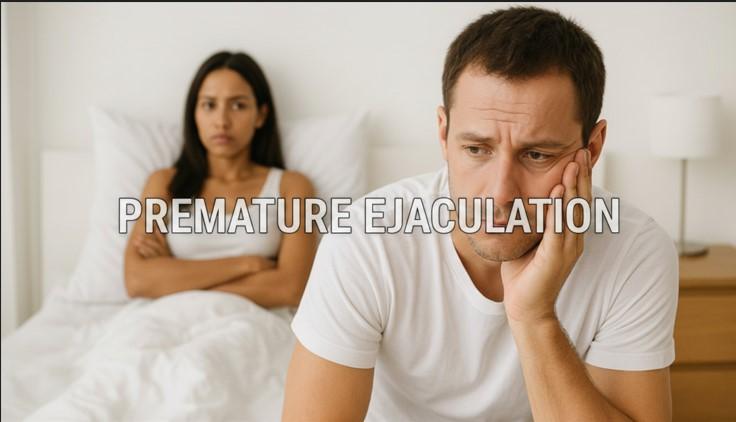
Premature Ejaculation (PE) is one of the most prevalent male sexual disorders, affecting millions of men globally. Despite its frequency, it remains underreported due to stigma, embarrassment, and misinformation. Many men silently struggle with this condition, unaware that it is highly treatable and often reversible with the right approach.
This detailed guide explores premature ejaculation from every angle—medical, psychological, and practical—so you can fully understand the condition and explore effective solutions.
Understanding Premature Ejaculation
Premature ejaculation occurs when ejaculation happens sooner than desired during sexual activity, often with minimal stimulation and before the individual intends it. It becomes a medical concern when it happens consistently and leads to distress or relationship difficulties.
Clinical Definition
Doctors often define PE based on three main criteria:
- Ejaculation within approximately 1 minute of penetration
- Inability to delay ejaculation consistently
- Negative emotional consequences such as stress, frustration, or avoidance of intimacy
Types of Premature Ejaculation
Understanding the type of PE is crucial for choosing the right treatment.
1. Lifelong (Primary) PE
- Present from the first sexual experience
- Occurs in almost all sexual encounters
- Often linked to neurological sensitivity or learned behavioral patterns
2. Acquired (Secondary) PE
- Develops after a period of normal sexual function
- Usually caused by physical conditions or psychological stress
- Often reversible once the underlying cause is addressed
The Physiology of Ejaculation
To understand PE, it's important to know how ejaculation works.
Ejaculation is controlled by a complex interaction between:
- The brain
- The central nervous system
- Hormones such as serotonin
Two Phases of Ejaculation:
- Emission Phase – Semen is prepared and moved into the urethra
- Expulsion Phase – Muscles contract to release semen
Premature ejaculation occurs when this process is triggered too quickly, often due to heightened sensitivity or neurological imbalance.
Causes of Premature Ejaculation
PE rarely has a single cause. It is usually a combination of psychological, biological, and lifestyle factors.
Psychological Causes
Performance Anxiety
Fear of not satisfying a partner can create a cycle where anxiety accelerates ejaculation.
Stress and Depression
Mental health conditions can interfere with normal sexual function.
Early Sexual Conditioning
Men who learned to rush sexual activity (e.g., due to fear of being caught) may develop long-term patterns of quick ejaculation.
Relationship Issues
Lack of communication, unresolved conflicts, or emotional disconnect can contribute to PE.
Biological Causes
Neurotransmitter Imbalance
Low levels of serotonin in the brain are strongly linked to reduced ejaculatory control.
Erectile Dysfunction (ED)
Men with ED may rush intercourse to maintain erection, leading to PE.
Hormonal Issues
Abnormal levels of testosterone or thyroid hormones can affect sexual performance.
Prostate Problems
Inflammation or infection of the prostate may contribute to ejaculatory issues.
Penile Sensitivity
Increased sensitivity of nerve endings can cause faster climax.
Lifestyle Factors
- Smoking
- Alcohol abuse
- Lack of physical activity
- Poor diet
- Sleep deprivation
All of these can negatively affect sexual health and performance.
Symptoms of Premature Ejaculation
The main symptom is early ejaculation, but there are additional signs to consider:
- Ejaculation always or nearly always within one minute
- Inability to delay ejaculation during intercourse
- Reduced sexual satisfaction
- Emotional distress or embarrassment
- Avoidance of sexual intimacy
Psychological Impact
PE is not just a physical condition—it deeply affects mental and emotional well-being.
Effects on Men:
- Low self-confidence
- Feelings of inadequacy
- Anxiety before sexual activity
- Depression in severe cases
Effects on Relationships:
- Decreased intimacy
- Frustration for both partners
- Communication breakdown
- Potential long-term relationship strain
Diagnosis and Evaluation
A proper diagnosis involves more than just timing ejaculation.
Medical Assessment
- Sexual history (frequency, duration, onset)
- Overall health evaluation
- Medication review
Physical Examination
- Checking for hormonal or neurological issues
- Screening for prostate conditions
Psychological Evaluation
- Identifying anxiety, depression, or stress factors
Doctors may also use Intravaginal Ejaculatory Latency Time (IELT) to measure control.
Treatment Options for Premature Ejaculation
The treatment of PE is highly individualized and often involves combining multiple approaches.
1. Behavioral Techniques
These methods are simple yet effective and often recommended as the first step.
Stop-Start Technique
- Sexual stimulation is paused when nearing ejaculation
- Helps build awareness and control over time
Squeeze Technique
- Pressure applied to the penis head to delay climax
Kegel Exercises
- Strengthen pelvic floor muscles
- Improve ejaculatory control significantly over time
2. Psychological Therapy
Therapy addresses emotional and mental triggers.
Cognitive Behavioral Therapy (CBT)
- Identifies negative thought patterns
- Helps reduce anxiety and improve performance
Sex Therapy
- Focuses on communication and intimacy
- Includes partner involvement
3. Medications
Medical treatments can provide significant improvement.
Selective Serotonin Reuptake Inhibitors (SSRIs)
- Delay ejaculation by increasing serotonin levels
- Often prescribed daily or before intercourse
Topical Anesthetics
- Creams or sprays that reduce sensitivity
- Applied before sexual activity
Oral Medications
- Some drugs improve ejaculatory control and stamina
⚠️ Always use medications under medical supervision.
4. Advanced Medical Treatments
In more persistent cases, advanced options may be considered:
- Hormonal therapy (if imbalance is present)
- Treatment for erectile dysfunction
- Nerve desensitization techniques
5. Lifestyle Improvements
Simple lifestyle changes can significantly enhance results:
- Regular exercise (boosts testosterone and stamina)
- Healthy diet (supports hormone balance)
- Stress management (reduces anxiety)
- Adequate sleep (improves overall health)
Natural Remedies and Alternative Approaches
Some individuals prefer natural methods, though results may vary.
Common Options:
- Herbal supplements (consult doctor first)
- Meditation and mindfulness
- Yoga for stress reduction
- Breathing exercises during intimacy
These approaches work best when combined with medical or behavioral treatments.
Role of Communication and Partner Support
A supportive partner can dramatically improve outcomes.
Healthy Practices:
- Open discussion about expectations
- Avoiding blame or pressure
- Exploring other forms of intimacy
- Practicing techniques together
A strong emotional connection often leads to better sexual performance.
Common Myths About Premature Ejaculation
Myth 1: It’s rare
Reality: It’s one of the most common male sexual disorders.
Myth 2: Only young men experience it
Reality: It affects men of all ages.
Myth 3: It cannot be treated
Reality: Most cases are highly treatable.
Myth 4: It’s purely psychological
Reality: Both physical and mental factors contribute.
When Should You See a Doctor?
Seek medical advice if:
- PE happens consistently
- It causes stress or relationship issues
- It develops suddenly
- It is associated with erectile dysfunction
Early treatment leads to faster and more effective recovery.
Prevention Strategies
While not always preventable, the following can reduce risk:
- Maintain physical fitness
- Manage stress effectively
- Practice sexual control techniques
- Avoid excessive alcohol or drugs
- Seek help early
Long-Term Outlook
The prognosis for premature ejaculation is excellent. With proper treatment:
- Many men gain full control over ejaculation
- Confidence and relationship satisfaction improve
- Emotional well-being is restored
Consistency and patience are key to long-term success.
Final Thoughts
Premature ejaculation is a highly manageable condition that should never be ignored or hidden due to embarrassment. Understanding its causes and seeking the right treatment can transform not only sexual performance but also overall quality of life.
Whether the cause is psychological, physical, or a combination of both, effective solutions are available. The most important step is recognizing the issue and taking action.

 English
 Arabic
 French
 Spanish
 Portuguese
 Turkish
 Dutch
Dutch
 Italiano
 Russian
 Romaian
 Portuguese (Brazil)
 Greek
Greek