


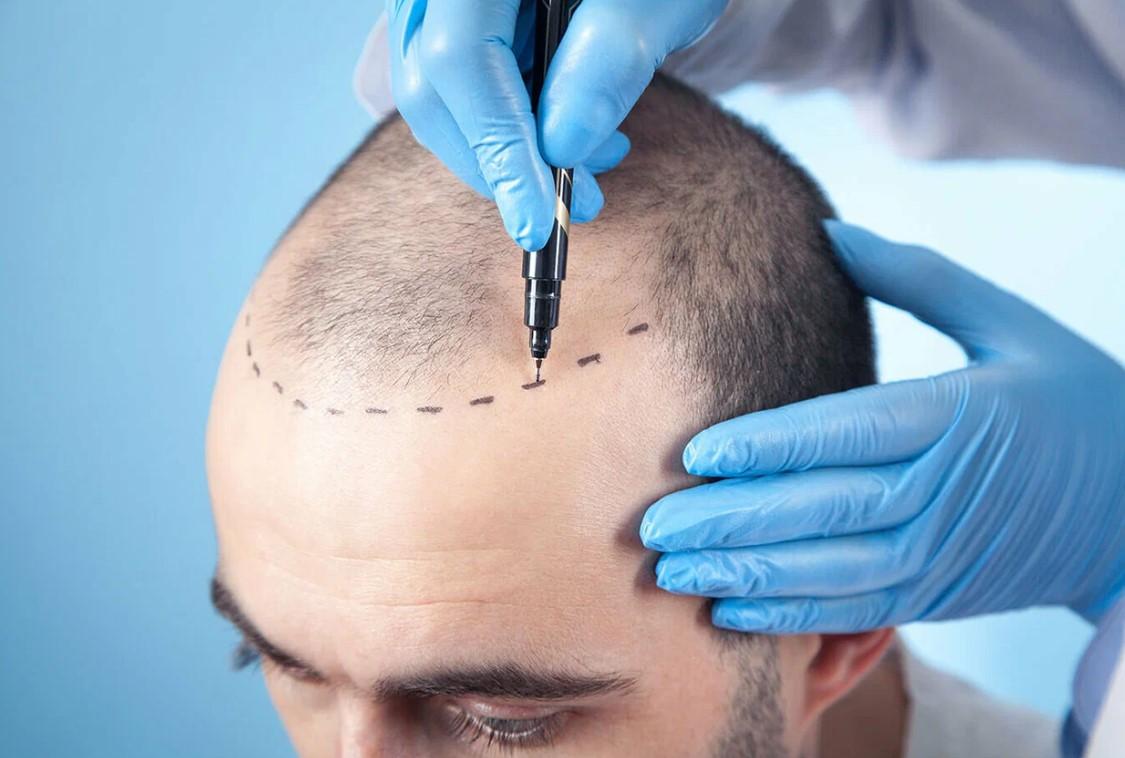
Myths and Facts About Hair Transplants
Hair transplant procedures have become one of the most trusted solutions for permanent hair restoration. However, despite their popularity, many misconceptions still exist. These myths often create confusion and prevent people from making informed decisions. Hair transplant in Dammam has become a popular option for people looking to restore natural hair growth and improve their confidence.
In this article, we will break down the most common hair transplant myths and facts so you can clearly understand what is true and what is not.
Myth 1: Hair Transplants Give Instant Results
Fact: Results take time to appear
One of the biggest misconceptions is that hair transplants provide immediate visible growth. In reality, hair restoration is a gradual process.
After the procedure:
- Transplanted hair sheds within 2–4 weeks (normal phase)
- New hair starts growing after 3–4 months
- Full results are visible after 9–12 months
Hair growth follows a natural cycle, so patience is essential for final results.
Myth 2: Hair Transplants Look Unnatural
Fact: Modern techniques give natural results
Many people still believe that hair transplants create obvious or “plug-like” hair. This was true in early outdated methods, but modern procedures like FUE and DHI deliver highly natural outcomes.
Skilled surgeons carefully design:
- Natural hairlines
- Proper density distribution
- Correct angle and direction of follicles
When performed correctly, transplanted hair is virtually indistinguishable from natural hair.
Myth 3: Hair Transplants Are Painful
Fact: The procedure is minimally painful
Thanks to local anesthesia, patients usually feel little to no pain during the procedure.
What you may experience:
- Mild discomfort during anesthesia injection
- Slight soreness after surgery
- Temporary tightness in the scalp
Most patients manage recovery easily with prescribed medication.
Myth 4: Hair Transplants Are Only for Older Men
Fact: Suitable for a wide range of adults
Hair loss can affect men at different ages, including those in their 20s or 30s. Hair transplants are not limited to older individuals.
However, surgeons typically evaluate:
- Stability of hair loss pattern
- Donor hair quality
- Overall health condition
Younger patients may still be eligible depending on their case, but proper assessment is essential.
Myth 5: Transplanted Hair Will Fall Out Again
Fact: Transplanted hair is usually permanent
Hair follicles taken from the donor area (typically the back of the head) are genetically resistant to hair loss.
This means:
- Transplanted hair is generally permanent
- It behaves like natural hair
- It can still thin slightly with age, but not fall out due to pattern baldness
Proper care helps maintain long-term results.
Myth 6: Hair Transplants Require Long Downtime
Fact: Recovery is relatively quick
Modern techniques like FUE and DHI allow patients to return to normal routines quickly.
Typical recovery timeline:
- Light daily activities: within 2–3 days
- Work (non-strenuous): within a week
- Exercise: after 10–14 days
There is no long hospital stay or extended downtime required.
Myth 7: Hair Transplants Work for Everyone
Fact: Not every case is suitable
While hair transplants are highly effective, they are not suitable for everyone.
Ideal candidates usually have:
- Stable hair loss pattern
- Enough healthy donor hair
- Good overall scalp condition
People with certain medical conditions or insufficient donor hair may require alternative treatments.
Myth 8: Hair Transplants Are a One-Time Solution for All Hair Loss
Fact: Results depend on ongoing hair loss patterns
A transplant restores hair in treated areas, but it does not stop future natural hair loss.
This means:
- Non-transplanted hair may continue thinning
- Some patients may need medication or follow-up treatment
- Maintenance care helps preserve overall density
A long-term plan is often recommended for best results.
Myth 9: All Hair Transplant Techniques Are the Same
Fact: Techniques vary significantly
Different methods offer different outcomes:
- FUE (Follicular Unit Extraction): Minimally invasive, no linear scar
- FUT (Strip Method): Suitable for large graft requirements
- DHI (Direct Hair Implantation): High precision and density
Each technique has unique advantages depending on the patient’s needs.
Myth 10: Hair Transplants Are Only for the Scalp
Fact: They can restore other areas too
Hair transplant procedures are not limited to the scalp. They can also be used for:
- Beard restoration
- Eyebrow enhancement
- Mustache filling
This makes it a versatile cosmetic procedure.
Conclusion
Hair transplants are surrounded by many myths, but modern medical advancements have made them safe, effective, and natural-looking. Understanding the facts helps patients make confident decisions and avoid unrealistic expectations.
While the procedure is not instant and requires patience, it offers long-term, permanent results for most suitable candidates. Consulting a qualified specialist is the best way to determine individual eligibility and expected outcomes.

 English
 Arabic
 French
 Spanish
 Portuguese
 Deutsch
 Turkish
 Dutch
Dutch
 Italiano
 Russian
 Romaian
 Greek
Greek