


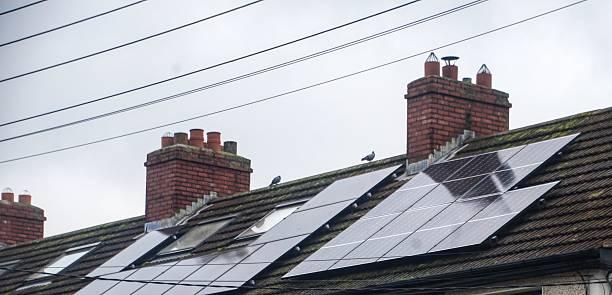
Birds look harmless until they’re not. One day your roof is clean, next day it’s covered in mess, noise, and that stubborn smell nobody wants to deal with. If you’ve been dealing with this, you’ve probably already come across bird scarer spikes and maybe even wondered if they actually work or if it’s just another “too good to be true” solution.
Let’s talk about it properly. No fluff.

What Bird Scarer Spikes Actually Do (and Don’t Do)
So first things first—bird scarer spikes are not traps. They don’t hurt birds. They don’t kill them. They simply make it uncomfortable for birds to land on surfaces like ledges, rooftops, solar panels, signs, and fences.
The idea is simple: birds try to land, feel the spikes, and go “nope” and move on somewhere else.
That’s it.
Now, people sometimes expect miracles. Like, install spikes and your bird problem disappears forever. Not really how it works. Birds are persistent little things. If there are food sources nearby or safe nesting spots, they might still hang around. But landing? That gets harder for them.
And that’s the whole point.
Where Bird Scarer Spikes Work Best (and Where They Don’t)
This is where expectations matter.
They work really well on flat, narrow surfaces:
-
window sills
-
building ledges
-
roof edges
-
solar panel frames
-
signage boards
Basically anywhere birds like to perch and chill.
But they’re not magic for open areas. If you’ve got a big open garden or a tree-heavy space, spikes won’t solve everything. Birds will just… move slightly to the side.
Also, installation matters more than people think. If there are gaps, birds find them. They always do.
A half-done job usually leads to a half-done result. Or worse, no result at all.
The Real Pros of Using Bird Scarer Spikes
Let’s be honest—people don’t install these for fun. They install them because birds become a problem.
Here’s where bird scarer spikes actually shine:
First, they’re low maintenance. Once installed properly, you don’t really have to think about them again for a long time. No chemicals. No constant resets. Just… there.
Second, they’re humane. Some people don’t want anything that harms birds, and this is one of the simplest deterrents that keeps things ethical.
Third, they protect surfaces from damage. Bird droppings are acidic. Over time, they don’t just look bad—they actually eat into paint, stone, metal. That’s where things get expensive.
And honestly, that leads into another big point…
Less cleaning. Way less.
If you’ve ever done bird excrement removal, you know it’s not just “wipe and go.” It’s scraping, soaking, scrubbing, repeating. And sometimes it still leaves stains behind. Especially on concrete or painted areas.
Spikes don’t fix everything, but they reduce how often you have to deal with that mess. And that alone is a win for most people.

The Downsides People Don’t Talk About Enough
Now the not-so-glamorous part.
First issue: appearance. Some people just don’t like how spikes look. They’re visible. Not ugly, but not invisible either. On modern buildings or clean architectural lines, they can stand out.
Second issue: installation mistakes. This is a big one. If they’re poorly installed—wrong angle, weak adhesive, gaps—birds will still land around them. And then people blame the product when really it was the setup.
Third issue: not a full solution. I know I mentioned this earlier, but it’s worth repeating. If birds have already nested nearby, spikes alone won’t fix the root problem. You might still need cleaning, removal, or even other deterrents.
And speaking of cleaning…
Even after installing spikes, you’ll still need bird excrement removal occasionally. Just less of it. Think “maintenance mode” instead of “constant battle mode.”
Bird Excrement Removal: The Part Nobody Likes
Let’s be real here. Nobody wakes up excited to clean bird droppings.
But if you ignore it, it gets worse.
Fresh droppings are annoying. Old ones? They stain, harden, and sometimes attract more birds. It becomes a cycle.
Bird excrement removal isn’t just about aesthetics. It’s hygiene too. Especially around homes, balconies, solar panels, or commercial entrances.
A lot of people try DIY cleaning first. Water, soap, maybe a scrub brush. Works sometimes. But on rough surfaces or older stains, it barely scratches the problem.
Professional cleaning usually uses stronger solutions and safer techniques so surfaces don’t get damaged.
Now here’s where spikes come back into the story. If you clean without prevention, birds return. If you install spikes without cleaning first, you’re just locking in the mess underneath.
So ideally? You do both.
Clean first. Then prevent.
Simple, but often ignored.
So… Are Bird Scarer Spikes Worth It?
Short answer: yes, but only if you use them right.
Long answer: they’re worth it if you expect a reduction, not perfection.
If you’re dealing with constant bird mess, repeated cleaning, and damage to surfaces, bird scarer spikes are a solid long-term deterrent. They don’t solve everything, but they reduce the problem enough to make life easier.
Think of them like a barrier, not a cure.
And honestly, most people don’t need a perfect solution. They just need things to stop getting worse.

FAQs
What are bird scarer spikes made of?
Usually plastic or stainless steel. Stainless steel ones last longer and handle weather better, especially rain and sun exposure. Plastic ones are cheaper but can wear out faster.
Do bird scarer spikes hurt birds?
No. They’re designed to stop birds from landing, not harm them. The spikes are spaced in a way that makes perching uncomfortable, not dangerous.
How often do I need bird excrement removal if I install spikes?
It depends on the location. After installation, most people notice a big drop in droppings. But occasional bird excrement removal is still needed, just far less frequently than before.

 English
 Arabic
 French
 Spanish
 Portuguese
 Turkish
 Dutch
Dutch
 Italiano
 Russian
 Romaian
 Portuguese (Brazil)
 Greek
Greek