


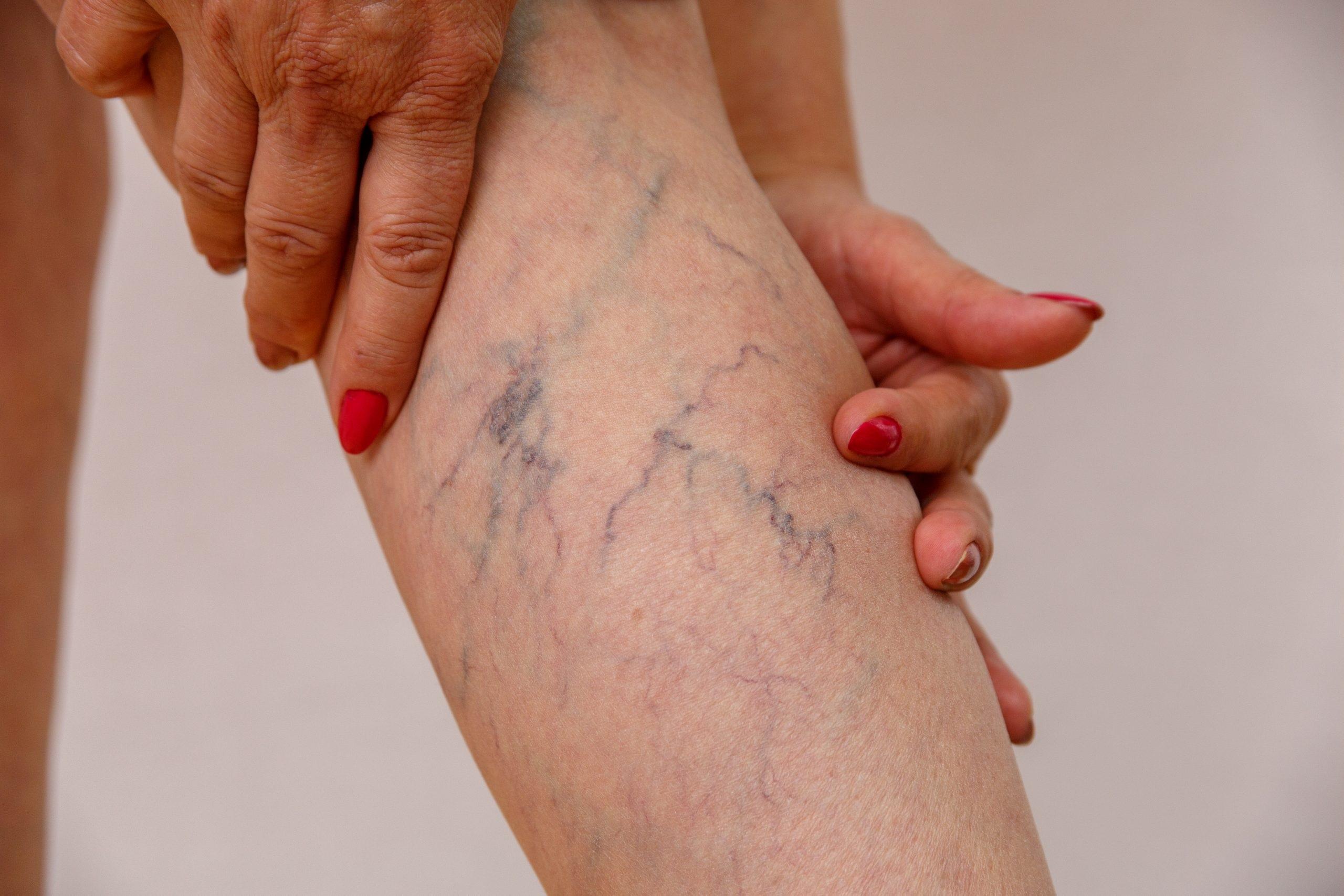
When you notice bulging, twisted veins in your legs, you may wonder: what kind of specialist treats varicose veins? The answer depends on the severity of your condition and the type of treatment you need. In most cases, trained vein specialists—often called phlebologists—handle varicose vein removal. However, other medical professionals such as vascular surgeons, interventional radiologists, and dermatologists also play key roles.
A vein specialist focuses on diagnosing and treating vein-related conditions, including varicose veins and spider veins. These professionals use modern, minimally invasive procedures that reduce pain, recovery time, and risk. Clinics like Vein Treatment Long Island provide access to experienced specialists who focus solely on vein health, ensuring precise diagnosis and effective treatment.
Why Should You See a Vein Specialist for Varicose Veins?
You might consider visiting a general physician first, but a vein specialist offers targeted expertise. Varicose veins often result from underlying venous insufficiency, which requires specialized evaluation. A trained professional understands the root cause and recommends appropriate treatment options.
When you visit a specialized clinic such as Vein Treatment Long Island, doctors typically perform advanced imaging tests like duplex ultrasound. This allows them to assess blood flow and pinpoint damaged veins. With this detailed insight, they create a customized treatment plan tailored to your needs.
Choosing a specialist ensures:
- Accurate diagnosis
- Access to advanced treatment technologies
- Faster recovery times
- Long-term relief from symptoms
What Types of Doctors Perform Varicose Vein Removal?
Several types of doctors can perform varicose vein removal. Understanding their roles helps you make an informed decision.
Vascular Surgeons
Vascular surgeons specialize in treating conditions affecting blood vessels. They handle both surgical and non-surgical treatments for varicose veins. If your condition is severe, a vascular surgeon may recommend procedures such as vein ligation or stripping, though these are less common today.
Phlebologists
Phlebologists focus exclusively on vein disorders. They often perform minimally invasive treatments like sclerotherapy and laser therapy. These specialists are highly skilled in cosmetic and medical vein treatments.
Interventional Radiologists
Interventional radiologists use imaging technology to guide procedures. They commonly perform endovenous laser therapy (EVLT) and radiofrequency ablation (RFA), which close off damaged veins without surgery.
Dermatologists
Dermatologists treat skin-related conditions, including spider veins and smaller varicose veins. They often use sclerotherapy or laser treatments for cosmetic improvement.
What Are the Most Common Varicose Vein Treatments?
Once you understand what kind of specialist treats varicose veins, the next step is learning about available treatments. Modern vein care focuses on minimally invasive procedures that deliver excellent results with minimal downtime.
Endovenous Laser Therapy (EVLT)
This treatment uses laser energy to seal off damaged veins. It is quick, effective, and requires little recovery time.
Radiofrequency Ablation (RFA)
RFA uses heat generated by radiofrequency energy to close varicose veins. Patients experience minimal discomfort and can return to normal activities quickly.
Sclerotherapy
In this procedure, a doctor injects a solution into the vein, causing it to collapse and fade. It works well for smaller veins and spider veins.
Ambulatory Phlebectomy
This technique involves removing veins through tiny incisions. It is ideal for larger surface veins and leaves minimal scarring.
How Do You Know When to See a Vein Doctor?
Many people ignore varicose veins until symptoms worsen. However, early intervention leads to better outcomes. You should consult a specialist if you experience:
- Leg pain or heaviness
- Swelling in the lower limbs
- Burning or throbbing sensations
- Skin discoloration near veins
- Visible, bulging veins
If these symptoms affect your daily life, visiting a vein treatment center can help you regain comfort and confidence.
What Happens During Your First Consultation?
Your first visit to a vein specialist involves a comprehensive evaluation. The doctor reviews your medical history, examines your legs, and may perform diagnostic imaging.
During the consultation, you can expect:
- A physical examination
- Ultrasound imaging
- Discussion of symptoms and concerns
- Personalized treatment recommendations
This step ensures that your doctor identifies the exact cause of your varicose veins and chooses the most effective solution.
Are Varicose Vein Treatments Safe?
Modern treatments for varicose veins are safe and highly effective. Minimally invasive procedures reduce the risk of complications and eliminate the need for general anesthesia in most cases.
Most patients experience:
- Minimal discomfort
- Quick recovery
- Long-lasting results
However, choosing a qualified specialist is crucial. Experienced doctors follow strict safety protocols and use advanced technology to deliver optimal outcomes.
How Long Does Recovery Take After Treatment?
Recovery time depends on the procedure you undergo. Fortunately, most modern treatments allow you to resume normal activities within a day or two.
For example:
- EVLT and RFA: Resume activities within 24–48 hours
- Sclerotherapy: Minimal downtime, often same-day recovery
- Phlebectomy: Slightly longer recovery but still quick
Your doctor will provide detailed aftercare instructions to ensure a smooth recovery.
Can Varicose Veins Come Back After Treatment?
While treated veins do not return, new varicose veins can develop over time. This often happens due to genetics, lifestyle factors, or prolonged standing.
To prevent recurrence, specialists recommend:
- Regular exercise
- Maintaining a healthy weight
- Wearing compression stockings
- Avoiding long periods of sitting or standing
Follow-up visits with your vein doctor also help monitor your condition and address new issues early.
How Do You Choose the Right Vein Treatment Center?
Selecting the right clinic plays a major role in your treatment success. Look for a center that offers:
- Board-certified specialists
- Advanced diagnostic tools
- Minimally invasive procedures
- Positive patient reviews
- Personalized care plans
A reputable center ensures that you receive high-quality care from experienced professionals.
Why Is Early Treatment Important for Varicose Veins?
Delaying treatment can lead to complications such as ulcers, blood clots, or chronic venous insufficiency. Early intervention prevents these issues and improves your quality of life.
By consulting a specialist early, you can:
- Reduce pain and discomfort
- Improve circulation
- Enhance the appearance of your legs
- Avoid serious health complications
Final Thoughts: Who Should You Trust for Varicose Vein Removal?
If you are still asking what kind of specialist treats varicose veins, the answer is clear: a trained vein specialist or vascular expert is your best choice. These professionals understand the complexities of vein conditions and offer advanced, minimally invasive treatments.
Whether you choose a phlebologist, vascular surgeon, or interventional radiologist, ensure they have the expertise and technology to deliver effective results. Clinics like Long Island Vein Treatment provide comprehensive care, from diagnosis to recovery, helping you achieve healthier, pain-free legs.
Taking the first step toward treatment can transform your comfort and confidence. Don’t wait—consult a qualified vein specialist today and explore the best options for varicose vein removal.

 English
 Arabic
 French
 Spanish
 Portuguese
 Turkish
 Dutch
Dutch
 Italiano
 Russian
 Romaian
 Portuguese (Brazil)
 Greek
Greek