


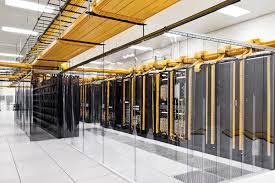
In the digital age, data centres are the backbone of modern businesses, supporting cloud computing, data storage, and critical IT operations. Building a data centre is a complex process that requires careful planning, advanced technology, and precise execution. From initial design to final deployment, every stage plays a vital role in ensuring performance, reliability, and scalability.
Understanding Data Centre Requirements
The first step in any data centre build is defining the project’s requirements. This includes determining capacity needs, performance expectations, redundancy levels, and future scalability. Understanding these factors helps create a clear roadmap for the entire project.
Site Selection and Evaluation
Choosing the right location is crucial for a successful data centre. Key considerations include access to reliable power, network connectivity, climate conditions, and proximity to end-users. A thorough site evaluation helps minimize risks such as natural disasters and infrastructure limitations.
Data Centre Design and Layout
The design phase focuses on creating an efficient and scalable layout. This includes planning server racks, cable management, power distribution, and cooling systems. Proper design ensures optimal airflow, reduces energy consumption, and allows for future expansion.
Power Infrastructure
A reliable power supply is essential for uninterrupted operations. Data centres require robust electrical systems, including backup generators, uninterruptible power supplies (UPS), and redundant power sources. These systems ensure continuous operation even during outages.
Cooling Systems and Environmental Control
Data centres generate significant heat, making cooling systems a critical component. Solutions such as precision air conditioning, liquid cooling, and hot/cold aisle containment help maintain optimal temperatures. Efficient cooling not only improves performance but also reduces energy costs.
Network Connectivity and Infrastructure
High-speed and reliable connectivity is the core of any data centre. This involves installing fiber-optic networks, routers, switches, and redundant connections. Strong network infrastructure ensures seamless data transmission and minimal latency.
Security Measures
Data centre security includes both physical and cybersecurity measures. Physical security may involve surveillance cameras, access control systems, and security personnel. Cybersecurity measures protect data from unauthorized access and cyber threats, ensuring data integrity and confidentiality.
Construction and Installation
Once planning and design are finalized, the construction phase begins. This includes building the facility, installing power and cooling systems, and setting up IT infrastructure such as servers and storage units. Careful supervision ensures that construction aligns with design specifications.
Testing and Commissioning
Before the data centre becomes operational, all systems must be thoroughly tested. This includes checking power systems, cooling efficiency, network performance, and security protocols. Commissioning ensures that the facility meets performance and reliability standards.
Deployment and Operations
After successful testing, the data centre is deployed and begins operations. Ongoing monitoring and maintenance are essential to ensure optimal performance. Regular updates, system checks, and performance evaluations help maintain efficiency and support future growth.
Scalability and Future-Proofing
Modern data centre builds must be designed with scalability in mind. As data demands increase, the infrastructure should be able to expand without major disruptions. Future-proofing ensures that the data centre remains relevant and efficient for years to come.
Sustainability and Energy Efficiency
Energy consumption is a major concern for data centres. Implementing energy-efficient technologies, renewable energy sources, and smart management systems can significantly reduce environmental impact and operational costs.
Conclusion
Building a data centre is a complex but essential investment for modern organizations. By focusing on key aspects such as design, infrastructure, security, and scalability, businesses can create reliable and efficient data centres. A well-planned and executed build ensures long-term performance, supports growing data demands, and provides a strong foundation for digital operations.

 English
 Arabic
 French
 Spanish
 Portuguese
 Deutsch
 Dutch
Dutch
 Italiano
 Russian
 Romaian
 Portuguese (Brazil)
 Greek
Greek