


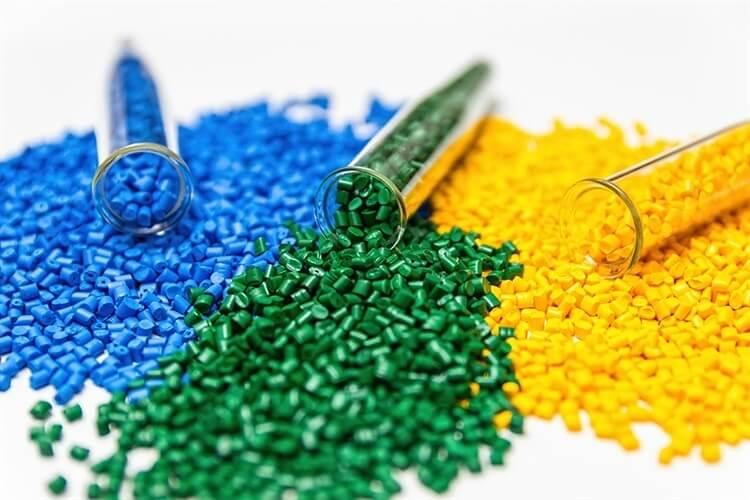
Plastic materials are everywhere around us. From packaging and household items to automobiles and electronics, plastics play an important role in daily life. At the center of all these materials are plastic polymers, which are the basic building blocks of plastic products.
In simple terms, plastic polymers are large molecules made by joining many small units called monomers. These materials are designed to be strong, flexible, lightweight, and easy to shape. Because of these properties, they are widely used across industries.
This article will help you understand plastic polymers in a very simple way. We will explore what they are, how they are made, and how they are processed into useful products.
What Are Plastic Polymers?
Plastic polymers are long chains of repeating chemical units. These chains can be natural or man-made, but most plastics we use today are synthetic, meaning they are made in factories using chemical processes.
Each polymer has unique properties depending on its structure. Some plastics are hard and rigid, while others are soft and flexible. This variety makes plastic polymers suitable for many different uses.
Common Types of Plastic Polymers
Here are some widely used plastic polymers:
- Polyethylene (PE): Used in plastic bags and bottles
- Polypropylene (PP): Used in containers, automotive parts, and textiles
- Polyvinyl Chloride (PVC): Used in pipes, cables, and construction materials
- Polystyrene (PS): Used in packaging and disposable items
- Polyethylene Terephthalate (PET): Used in beverage bottles
Each of these polymers has different strength, flexibility, and heat resistance.
How Plastic Polymers Are Manufactured
The manufacturing of plastic polymers involves chemical processes that turn small molecules into long chains. The two main methods used are polymerization and polycondensation.
1. Polymerization
Polymerization is the process of combining many monomers into a polymer chain. It is one of the most common methods used to produce plastic polymers.
There are two main types of polymerization:
a) Addition Polymerization
In this process, monomers join together without losing any atoms. The structure simply grows into a long chain.
Examples:
- Polyethylene
- Polypropylene
This method is fast and widely used in large-scale production.
b) Condensation Polymerization
In this process, monomers join together while releasing small molecules like water or methanol.
Examples:
- Nylon
- Polyester
This method is used when stronger and more heat-resistant plastics are needed.
2. Polycondensation
Polycondensation is a type of condensation reaction where polymers are formed along with by-products. It is used to make high-performance plastics.
This method helps in producing materials that are durable and suitable for engineering applications.
Raw Materials Used in Plastic Polymers
Plastic polymers are usually made from petrochemicals derived from crude oil or natural gas. Some common raw materials include:
- Ethylene
- Propylene
- Styrene
- Vinyl chloride
These materials are processed in chemical plants to form different types of polymers.
In recent years, there has been a growing focus on bio-based polymers, which are made from renewable sources like corn starch or sugarcane. These are more environmentally friendly.
Basic Processing Methods of Plastic Polymers
Once plastic polymers are produced, they need to be shaped into useful products. This is done using various processing techniques.
1. Injection Molding
Injection molding is one of the most popular methods.
How it works:
- Plastic is melted
- The molten plastic is injected into a mold
- It cools and solidifies into shape
Uses:
- Bottles
- Toys
- Electronic parts
This method is fast and suitable for mass production.
2. Extrusion
Extrusion is used to create long, continuous shapes.
How it works:
- Melted plastic is pushed through a die
- It forms a fixed shape like a pipe or sheet
Uses:
- Pipes
- Tubes
- Plastic films
This method is ideal for products with uniform cross-sections.
3. Blow Molding
Blow molding is used to make hollow objects.
How it works:
- Plastic is melted into a tube
- Air is blown inside to expand it
- It takes the shape of a mold
Uses:
- Water bottles
- Containers
This method is widely used in the packaging industry.
4. Compression Molding
In this process, plastic material is placed in a heated mold and compressed.
Uses:
- Automotive parts
- Electrical components
It is suitable for making strong and durable items.
5. Rotational Molding
This method is used to create hollow products without seams.
How it works:
- Powdered plastic is placed in a mold
- The mold rotates and heats evenly
Uses:
- Water tanks
- Storage containers
Additives Used in Plastic Polymers
To improve the performance of plastic polymers, various additives are used during processing.
Common Additives:
- Stabilizers: Protect plastics from heat and sunlight
- Plasticizers: Make plastics more flexible
- Colorants: Add color to plastic products
- Fillers: Improve strength and reduce cost
- Flame retardants: Reduce fire risk
These additives help in customizing plastic properties based on application needs.
Properties of Plastic Polymers
Plastic polymers are popular because of their useful properties:
1. Lightweight
Plastics are much lighter than metals, making them easy to transport and use.
2. Durable
They are resistant to corrosion and chemicals.
3. Flexible
Some plastics can bend without breaking.
4. Cost-Effective
Plastic production is generally cheaper compared to other materials.
5. Easy to Shape
They can be molded into complex shapes easily.
Applications of Plastic Polymers
Plastic polymers are used in many industries due to their versatility.
1. Packaging Industry
- Plastic bags
- Bottles
- Food containers
2. Automotive Industry
- Dashboard parts
- Bumpers
- Interior components
3. Construction Industry
- Pipes
- Insulation materials
- Window frames
4. Electronics
- Wiring insulation
- Device casings
5. Medical Field
- Syringes
- Medical devices
- Packaging for medicines
Environmental Impact of Plastic Polymers
While plastic polymers are useful, they also have environmental challenges.
Problems:
- Non-biodegradable waste
- Pollution in oceans
- Harm to wildlife
Solutions:
- Recycling plastics
- Using biodegradable polymers
- Reducing single-use plastics
Governments and industries are working together to manage plastic waste more effectively.
Recycling of Plastic Polymers
Recycling is an important step in reducing plastic waste.
Types of Recycling:
1. Mechanical Recycling
- Plastics are collected and melted
- Reused to make new products
2. Chemical Recycling
- Plastics are broken down into basic chemicals
- Used to create new polymers
Recycling helps in saving resources and reducing pollution.
Future of Plastic Polymers
The future of plastic polymers is focused on sustainability and innovation.
Key Trends:
- Development of biodegradable plastics
- Increased recycling technologies
- Use of renewable raw materials
- Lightweight and high-strength materials
These advancements will help reduce environmental impact while maintaining the benefits of plastics.
Choosing the Right Plastic Polymer
Selecting the right plastic depends on several factors:
- Strength requirements
- Temperature resistance
- Flexibility
- Cost
- Application type
Manufacturers carefully choose the right polymer to ensure product quality and performance.
Conclusion
Plastic polymers are an essential part of modern life. They are used in almost every industry due to their versatility, durability, and cost-effectiveness. Understanding how plastic polymers are manufactured and processed helps in better use and management of these materials.
From polymerization to molding techniques, each step plays a key role in creating high-quality plastic products. At the same time, it is important to focus on recycling and sustainable practices to reduce environmental impact.
Companies like Duha Industries are contributing to the development and supply of quality plastic materials, helping industries meet their growing demands while focusing on efficiency and reliability.

 English
 Arabic
 French
 Spanish
 Portuguese
 Deutsch
 Turkish
 Dutch
Dutch
 Russian
 Romaian
 Portuguese (Brazil)
 Greek
Greek