


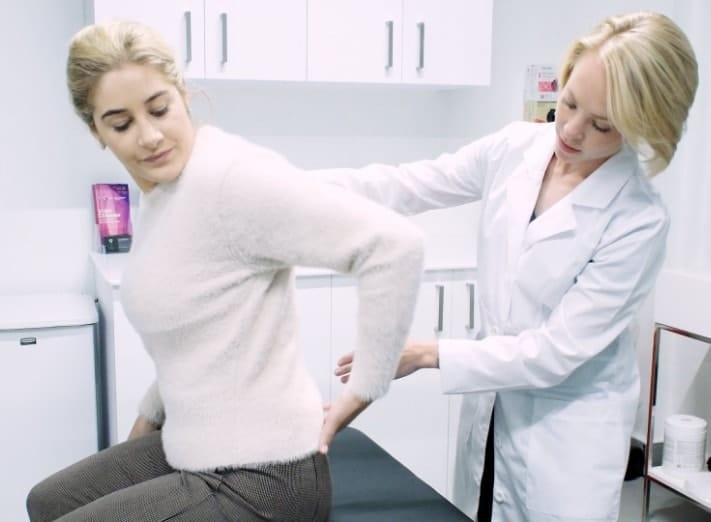
Sciatic nerve pain can disrupt daily life, making even simple movements uncomfortable. This condition occurs when the sciatic nerve—the longest nerve in the body—becomes irritated or compressed. It typically starts in the lower back and travels down through the hips, buttocks, and legs.
People experiencing this condition often search for effective sciatic nerve pain treatment options to regain mobility and comfort. Understanding the root causes is the first step toward proper care and long-term relief.
Herniated Discs and Nerve Compression
One of the most common causes of sciatic nerve pain is a herniated or slipped disc. The spine contains soft discs that act as cushions between vertebrae. When a disc bulges or ruptures, it can press against the sciatic nerve.
This pressure leads to inflammation, pain, and sometimes numbness or tingling in the leg. Many patients seek help from back pain specialists new jersey to diagnose and treat this issue early before it worsens.
Spinal Stenosis and Narrowed Pathways
Spinal stenosis occurs when the spaces within the spine narrow, placing pressure on the nerves. This condition is more common in older adults and often develops gradually.
When the narrowing affects the lower spine, it can directly impact the sciatic nerve. Individuals may experience pain while walking or standing for long periods. Proper sciatic nerve pain treatment can help manage symptoms and improve mobility.
Degenerative Disc Disease
As people age, spinal discs naturally lose hydration and flexibility. This condition, known as degenerative disc disease, can lead to irritation of nearby nerves, including the sciatic nerve.
Although it sounds severe, it is a common part of aging. However, when symptoms become painful, consulting experts like Back Center NJ can provide tailored treatment plans to reduce discomfort and restore function.
Piriformis Syndrome and Muscle Tightness
The piriformis muscle, located deep in the buttock, plays a role in hip rotation. In some cases, this muscle can tighten or spasm, compressing the sciatic nerve underneath it.
This condition, known as piriformis syndrome, often mimics classic sciatica symptoms. Stretching, physical therapy, and targeted sciatic nerve pain treatment can relieve the pressure and reduce pain effectively.
Injuries and Trauma to the Lower Back
Accidents, falls, or sports injuries can damage the spine or surrounding tissues. When trauma affects the lower back, it may lead to inflammation or structural changes that press on the sciatic nerve.
Even minor injuries can escalate if left untreated. That is why many individuals turn to back pain specialists new jersey for a thorough evaluation and recovery plan.
Poor Posture and Sedentary Lifestyle
Modern lifestyles often involve long hours of sitting, whether at a desk or while using digital devices. Poor posture can place unnecessary stress on the lower spine, increasing the risk of sciatic nerve irritation.
Over time, weak core muscles and prolonged sitting can contribute to chronic pain. Incorporating movement, ergonomic adjustments, and professional sciatic nerve pain treatment can significantly reduce symptoms.
Pregnancy and Increased Pressure on the Spine
Pregnancy can also lead to sciatic nerve pain due to added weight and shifting body posture. As the uterus expands, it may place pressure on the sciatic nerve.
Hormonal changes can further loosen ligaments, making the spine more vulnerable to strain. Safe and guided care from clinics like Back Center NJ ensures relief without compromising maternal health.
Bone Spurs and Abnormal Growths
Bone spurs are small bony projections that can develop along the edges of bones. When they form in the spine, they may compress nearby nerves, including the sciatic nerve.
This condition often develops due to arthritis or long-term wear and tear. Early diagnosis and proper sciatic nerve pain treatment can prevent complications and improve quality of life.
Obesity and Excess Body Weight
Carrying excess weight places additional stress on the spine and lower back. This increased pressure can contribute to disc problems and nerve compression.
Maintaining a healthy weight not only reduces the risk of sciatica but also improves overall spinal health. Many back pain specialists new jersey recommend a combination of exercise, diet, and therapy for sustainable results.
When to Seek Professional Help
While mild sciatic pain may improve with rest and home care, persistent or severe symptoms require medical attention. Signs that indicate the need for professional care include:
- Pain lasting more than a few weeks
- Severe leg weakness or numbness
- Difficulty standing or walking
- Loss of bladder or bowel control
In such cases, seeking expert sciatic nerve pain treatment ensures accurate diagnosis and effective relief strategies.
Effective Treatment Options for Sciatic Nerve Pain
Treatment varies depending on the underlying cause. Common approaches include:
- Physical therapy to strengthen muscles and improve flexibility
- Medications to reduce inflammation and pain
- Chiropractic care for spinal alignment
- Minimally invasive procedures in severe cases
Trusted providers like Back Center NJ offer comprehensive solutions tailored to each patient’s condition, helping them return to a pain-free lifestyle.
Final Thoughts on Managing Sciatic Pain
Sciatic nerve pain can stem from multiple causes, ranging from herniated discs to lifestyle habits. Identifying the exact source is essential for choosing the right treatment path.
By understanding these common causes and seeking timely help from back pain specialists new jersey, individuals can manage symptoms effectively and prevent long-term complications. With the right approach to sciatic nerve pain treatment, recovery is not only possible—it is achievable.

 English
 Arabic
 French
 Spanish
 Portuguese
 Deutsch
 Turkish
 Dutch
Dutch
 Russian
 Romaian
 Portuguese (Brazil)
 Greek
Greek