


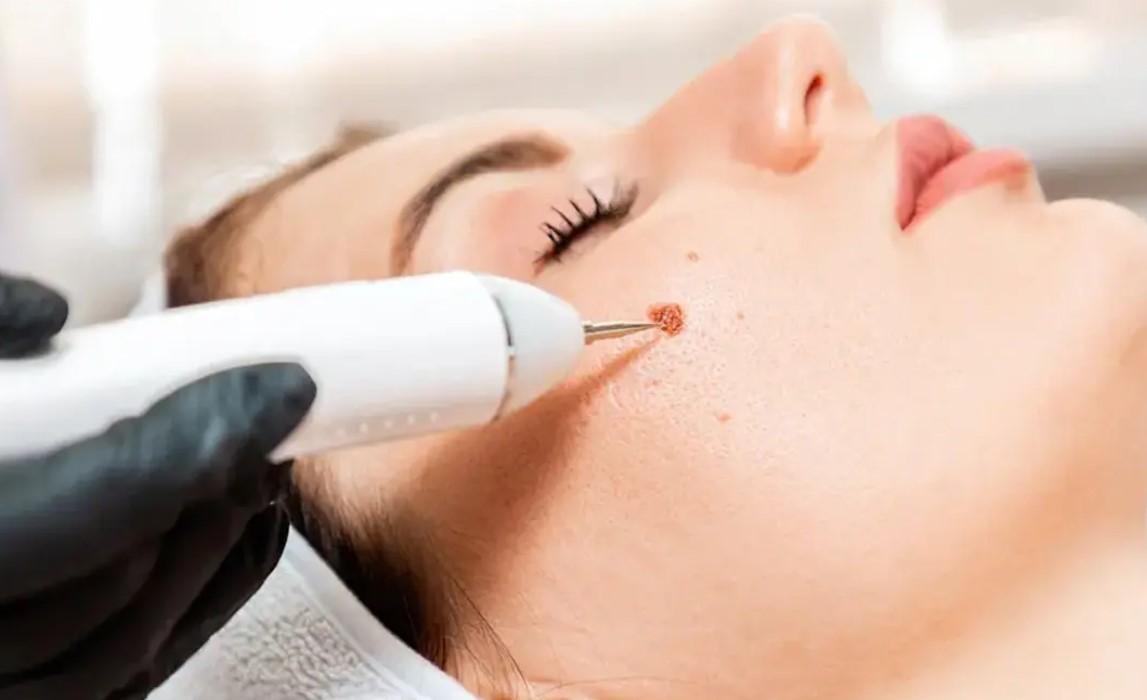
Risks and Side Effects of Mole Removal Treatments
Introduction
Mole removal is generally a safe dermatological procedure when performed by a qualified professional. However, like any medical or cosmetic treatment, it can have some risks and side effects. These vary depending on the removal method used, the size and type of mole, and how well aftercare instructions are followed. Mole Removal in Riyadh is a common cosmetic and medical procedure chosen by many people to improve skin appearance and address suspicious or unwanted moles.
Understanding these possible outcomes helps patients make informed decisions and prepare for a smooth recovery.
Common Side Effects After Mole Removal
Most side effects are mild and temporary. They are part of the normal healing process.
1. Redness and Swelling
Redness around the treated area is very common after mole removal. Mild swelling may also occur and usually settles within a few days.
2. Pain or Tenderness
Some discomfort or tenderness is expected, especially after surgical excision. Pain is usually mild and manageable with basic pain relief if needed.
3. Scabbing and Crusting
A small scab often forms as the skin heals. This is a normal part of recovery and should not be picked or scratched.
4. Itching During Healing
Itching is a common sign of healing skin. It typically appears a few days after the procedure and fades gradually.
Possible Risks of Mole Removal
Although complications are uncommon, they can occur in some cases.
1. Scarring
All mole removal methods carry a risk of scarring. The likelihood depends on:
- Depth of the mole
- Removal technique used
- Individual skin type
- Aftercare quality
Surgical removal is more likely to leave a visible scar compared to laser or other non-invasive methods.
2. Infection
Infection is rare but possible if the treated area is not kept clean. Signs of infection include:
- Increasing redness
- Pus or discharge
- Persistent pain
- Warmth around the area
Proper hygiene and following aftercare instructions greatly reduce this risk.
3. Pigment Changes
Some patients may experience changes in skin color after healing:
- Hyperpigmentation (darkening of skin)
- Hypopigmentation (lightening of skin)
These changes are usually temporary but can sometimes persist, especially in sensitive skin types.
4. Bleeding
Minor bleeding can occur during or shortly after the procedure, particularly in surgical excision. It is usually controlled quickly by the dermatologist.
5. Mole Regrowth
In some non-surgical methods, such as laser treatment, there is a small chance that the mole may partially return if deeper cells were not fully removed.
6. Allergic Reactions
Rarely, patients may react to:
- Local anesthesia
- Antiseptic solutions
- Topical ointments
Symptoms may include itching, rash, or irritation.
Risks Based on Removal Method
Laser Mole Removal
- Minimal scarring
- Low infection risk
- Possible pigment changes
- Slight chance of incomplete removal
Surgical Excision
- Higher chance of scarring
- Small risk of infection
- Longer healing time
- Best option for full removal and biopsy
Shave Removal
- Mild scarring possible
- Potential for regrowth
- Quick healing
- Low complication rate
Cryotherapy
- Temporary blistering
- Skin discoloration
- Mild irritation
- Not suitable for all mole types
How to Reduce Risks
Patients can significantly reduce side effects by following proper care:
- Keep the area clean and dry
- Avoid sun exposure on healing skin
- Do not pick scabs
- Use prescribed ointments correctly
- Follow all dermatologist instructions
- Attend follow-up appointments if needed
Professional evaluation before removal is also essential to ensure the safest method is chosen.
When to See a Doctor
Medical attention should be sought if any of the following occur:
- Severe or worsening pain
- Signs of infection (pus, fever, swelling)
- Excessive bleeding
- Delayed healing
- Unusual skin changes after recovery
Conclusion
Mole removal treatments are generally safe, but they can have mild and temporary side effects such as redness, swelling, and itching. More serious risks like infection, scarring, or pigment changes are rare and can often be minimized with proper technique and aftercare.
Choosing a qualified dermatologist and following post-treatment instructions carefully are the most important steps to ensure safe healing and good cosmetic results.

 Arabic
 French
 Spanish
 Portuguese
 Deutsch
 Turkish
 Dutch
Dutch
 Italiano
 Russian
 Romaian
 Portuguese (Brazil)
 Greek
Greek