


Side Effects of Tattoo Removal and How to Minimize Them in Riyadh
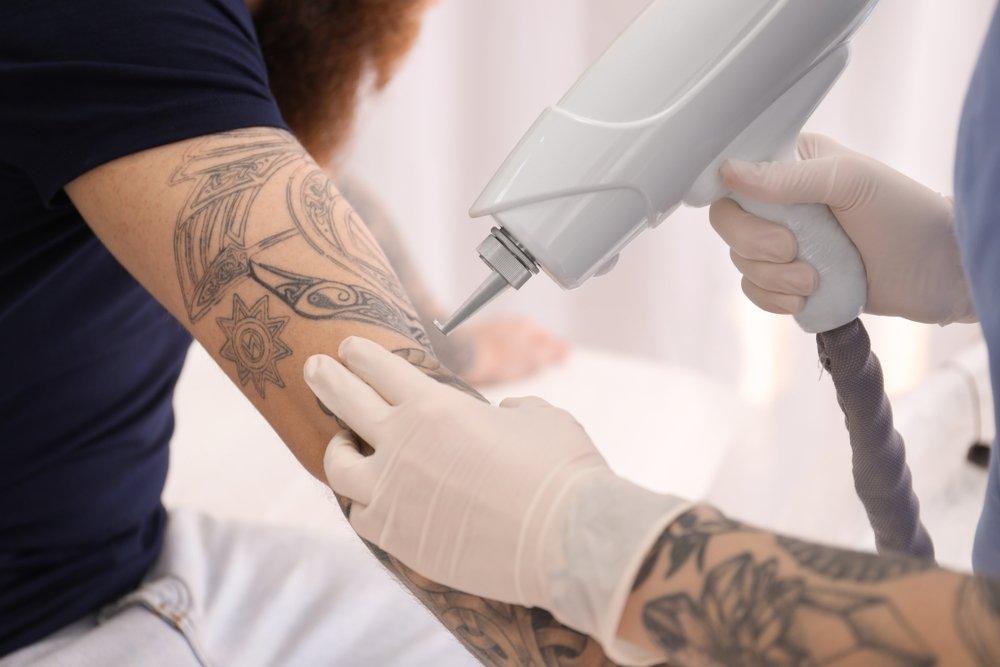
Tattoo removal in Riyadh has become increasingly common due to advances in laser technology and growing awareness about safe cosmetic procedures. While modern laser treatments are highly effective and generally safe, they are still medical procedures that interact directly with the skin. This means there can be side effects, especially if aftercare is not properly followed or if the treatment is not customized for skin type and environmental conditions. If you're considering tattoo removal in Riyadh, it's important to understand the process, safety, and expected results before starting.
Understanding the possible side effects of tattoo removal—and how to minimize them in Riyadh’s unique hot and sunny climate—can help patients achieve better results with fewer complications.
Common Side Effects of Tattoo Removal
1. Redness and Swelling
One of the most common immediate side effects after laser tattoo removal is redness and swelling in the treated area. This occurs because the laser energy creates controlled heat in the skin to break down ink particles. The body responds with mild inflammation as part of the healing process.
In most cases, redness and swelling appear within hours of treatment and gradually subside within a few days. In Riyadh’s hot climate, this effect may feel slightly more intense due to heat exposure and dry air.
2. Blistering and Scabbing
Blistering can occur after laser treatment, especially when darker or denser tattoos are treated. These blisters are small fluid-filled bubbles that form as the skin heals. Scabbing may follow as the skin repairs itself.
Although this can look concerning, it is usually a normal part of the healing process. However, improper care—such as picking at blisters or scratching scabs—can lead to infection or scarring.
3. Skin Sensitivity and Pain
After a session, the treated skin may feel sensitive, similar to a mild sunburn. Some patients also experience tenderness or mild pain in the area for a short period. This sensitivity usually improves within a few days.
Because Riyadh often experiences high temperatures, heat exposure can increase discomfort if the skin is not properly protected after treatment.
4. Hyperpigmentation and Hypopigmentation
Changes in skin pigmentation are among the more noticeable side effects of tattoo removal.
- Hyperpigmentation refers to darker patches of skin
- Hypopigmentation refers to lighter patches of skin
These changes occur when the skin’s melanin response is affected by laser energy. People with medium to darker skin tones, which are common in Riyadh, may be more prone to temporary pigmentation changes if laser settings are not carefully adjusted.
5. Temporary Bruising
Some individuals may experience mild bruising after laser treatment. This is typically harmless and fades on its own within a week or two. It occurs due to minor damage to small blood vessels beneath the skin during the laser process.
6. Risk of Infection
Although rare, infection is a possible side effect if the treated area is not kept clean or if aftercare instructions are ignored. Open blisters or scabs can become vulnerable to bacteria, especially in hot and humid conditions caused by sweating.
How Riyadh’s Climate Can Influence Side Effects
Riyadh’s climate plays a significant role in how the skin reacts after tattoo removal. The city’s intense sun exposure, high temperatures, and dry air can increase the risk of irritation if proper precautions are not taken.
Sun exposure is particularly important. After laser treatment, the skin becomes more sensitive to ultraviolet (UV) rays. Without protection, exposure to sunlight can worsen pigmentation issues and slow healing.
Heat and sweat can also irritate the treated area, increasing discomfort or the risk of infection if hygiene is not maintained.
How to Minimize Side Effects
1. Avoid Sun Exposure
One of the most important steps in minimizing side effects is protecting the treated area from sunlight. Patients should avoid direct sun exposure for at least a few weeks after each session. If going outdoors is necessary, covering the area and using sunscreen (once healing begins) is essential.
This is especially important in Riyadh, where UV levels can be very high throughout most of the year.
2. Follow Proper Aftercare Instructions
Aftercare plays a major role in preventing complications. Patients should keep the treated area clean and dry, apply recommended healing ointments, and avoid touching or scratching the skin.
Following professional instructions helps reduce the risk of infection, scarring, and prolonged redness.
3. Avoid Heat and Sweating
Heavy exercise, saunas, and activities that cause excessive sweating should be avoided for at least 24 to 48 hours after treatment. Sweat can irritate the healing skin and increase the risk of bacterial growth.
In Riyadh’s hot environment, staying in cool, shaded areas during the early healing phase is especially helpful.
4. Do Not Pick Blisters or Scabs
It is very important not to pick at blisters or scabs, even if they feel itchy or uncomfortable. Allowing the skin to heal naturally reduces the risk of permanent scarring and uneven pigmentation.
5. Keep the Skin Moisturized
Using doctor-recommended moisturizers or healing creams can support skin recovery. Hydrated skin heals faster and is less likely to develop dryness, cracking, or irritation.
6. Choose an Experienced Specialist
One of the most effective ways to minimize side effects is choosing a qualified and experienced laser specialist. Proper laser settings based on skin type, tattoo color, and depth significantly reduce risks such as burns or pigmentation changes.
Experienced practitioners also adjust treatment plans specifically for individuals with medium to deeper skin tones, which helps improve safety and results.
Conclusion
Tattoo removal in Riyadh is generally safe when performed correctly, but like any laser procedure, it can come with temporary side effects such as redness, swelling, blistering, and pigmentation changes. These effects are usually mild and manageable, especially when proper aftercare is followed.
Because of Riyadh’s hot climate and strong sun exposure, extra care is needed to protect the skin during the healing process. By avoiding sunlight, following aftercare instructions, staying hydrated, and choosing a skilled professional, patients can significantly reduce side effects and achieve smoother, safer tattoo removal results.

 English
 Arabic
 French
 Spanish
 Portuguese
 Deutsch
 Turkish
 Dutch
Dutch
 Italiano
 Russian
 Romaian
 Portuguese (Brazil)