


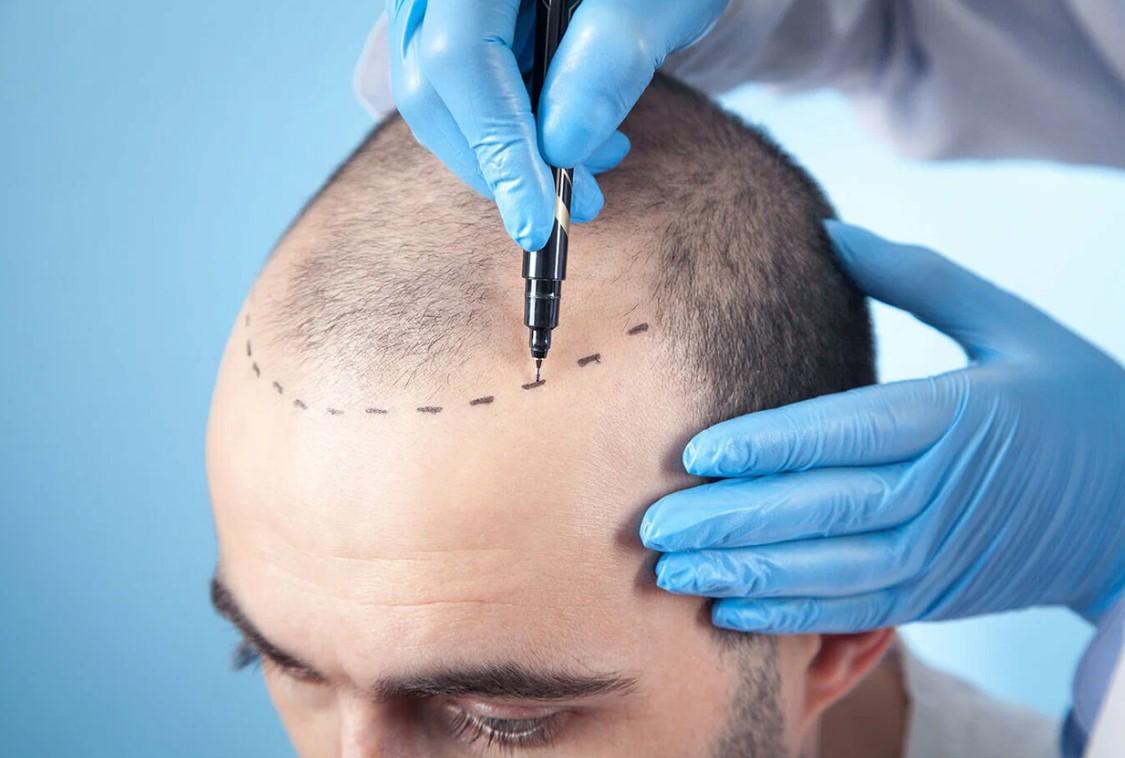
Pain Level During and After Hair Transplant
Hair transplant surgery is one of the most commonly performed cosmetic procedures for treating permanent hair loss. A major concern for many patients is the level of pain during and after a hair transplant. The good news is that modern techniques such as FUE (Follicular Unit Extraction) and FUT (Follicular Unit Transplantation) are designed to be minimally invasive and generally well tolerated. While some discomfort is expected, the procedure is not considered highly painful. Hair transplant in Buraydah is becoming an increasingly popular option for individuals seeking a permanent solution to hair loss and thinning.
Understanding what to expect during each stage can help patients feel more prepared and relaxed before undergoing surgery.
Pain During the Hair Transplant Procedure
During the actual procedure, most patients experience little to no pain because the scalp is numbed using local anesthesia. The anesthesia is injected into both the donor and recipient areas before the extraction and implantation process begins.
The initial injections of anesthesia may cause a mild stinging or burning sensation. This is usually the most uncomfortable part of the entire procedure. However, the sensation lasts only a few seconds, and once the scalp becomes numb, the patient should not feel pain during follicle extraction or implantation.
Some clinics also use additional techniques such as sedation or vibration devices to further reduce discomfort during anesthesia injection.
Once the numbness takes effect, patients typically feel only pressure or movement rather than pain. Many people are able to watch television, listen to music, or even fall asleep during the procedure.
Pain Differences Between FUE and FUT
The level of discomfort can vary slightly depending on the technique used.
In FUE hair transplant, individual follicles are extracted one by one using a micro-punch tool. This method is less invasive and usually results in minimal discomfort during and after the procedure. Patients often report mild soreness in the donor area afterward, similar to a sunburn feeling.
In FUT hair transplant, a strip of scalp is surgically removed from the donor area, and the incision is closed with stitches. Because of this, FUT may cause slightly more post-operative discomfort compared to FUE. Patients may feel tightness or pulling sensations in the stitched area during healing.
However, both procedures are performed under anesthesia, so pain during surgery is very well controlled in both cases.
Pain Immediately After the Procedure
Once the anesthesia wears off, usually a few hours after surgery, patients may begin to feel mild to moderate discomfort. This can include soreness, tightness, or a slight throbbing sensation in both the donor and recipient areas.
The intensity of pain varies from person to person but is generally manageable. Most patients describe it as more of an irritation than actual pain.
Doctors typically prescribe pain relief medication to control any discomfort during the first few days. These medications are usually sufficient to keep patients comfortable.
Pain in the First 3 to 5 Days
The first few days after a hair transplant are when most of the discomfort is experienced. The scalp may feel tight, tender, or slightly swollen.
Swelling can sometimes extend to the forehead, which may cause a feeling of pressure rather than pain. Sleeping with the head elevated can help reduce this swelling and improve comfort.
In FUE procedures, donor areas may feel like small pinpricks or mild soreness. In FUT procedures, the stitched area may feel tighter and more sensitive.
Despite these sensations, most patients are able to return to non-strenuous activities within a few days.
Pain After One Week
By the end of the first week, pain levels usually decrease significantly. Scabs begin to form and later fall off naturally, and the scalp starts to heal.
Any remaining discomfort is typically very mild and does not require strong pain medication. Itching may occur during this stage, which is a normal part of healing but should not be confused with pain.
Patients are advised not to scratch the scalp, as this can damage newly implanted grafts.
Long-Term Pain or Sensation Changes
In rare cases, patients may experience temporary numbness or altered sensation in the donor or recipient areas. This is usually caused by minor nerve irritation during surgery.
Sensation typically returns gradually over a few weeks or months. Permanent nerve damage is extremely rare.
Some FUT patients may feel mild tightness in the donor scar area for a longer period, especially if the scalp is stretched or healing slowly.
Factors That Influence Pain Levels
Several factors can affect how much pain a patient experiences after a hair transplant:
- Individual pain tolerance
- Type of procedure (FUE or FUT)
- Size of the transplant session
- Surgeon’s technique and precision
- Proper post-operative care
- Patient anxiety and stress levels
Patients who follow aftercare instructions carefully usually experience less discomfort and faster recovery.
Managing Pain After Hair Transplant
Pain after a hair transplant is generally easy to manage. Doctors usually prescribe mild painkillers, antibiotics, and anti-inflammatory medications.
Other helpful measures include:
- Keeping the head elevated while sleeping
- Avoiding touching or scratching the scalp
- Using prescribed shampoos gently
- Avoiding physical exertion in the first few days
- Staying hydrated and resting properly
Following these steps helps minimize discomfort and supports faster healing.
Conclusion
Hair transplant surgery is not considered a highly painful procedure. Thanks to local anesthesia and modern surgical techniques, patients experience minimal discomfort during the operation itself. After surgery, mild soreness, tightness, and swelling are normal but usually short-lived.
Most pain is manageable with medication and typically resolves within a few days. By the end of the first week, discomfort significantly decreases, and patients begin the normal healing process.
Overall, while some temporary discomfort is expected, the pain level during and after a hair transplant is generally low, making it a well-tolerated and safe procedure for long-term hair restoration.

 Arabic
 French
 Spanish
 Portuguese
 Deutsch
 Turkish
 Dutch
Dutch
 Italiano
 Russian
 Romaian
 Portuguese (Brazil)
 Greek
Greek