


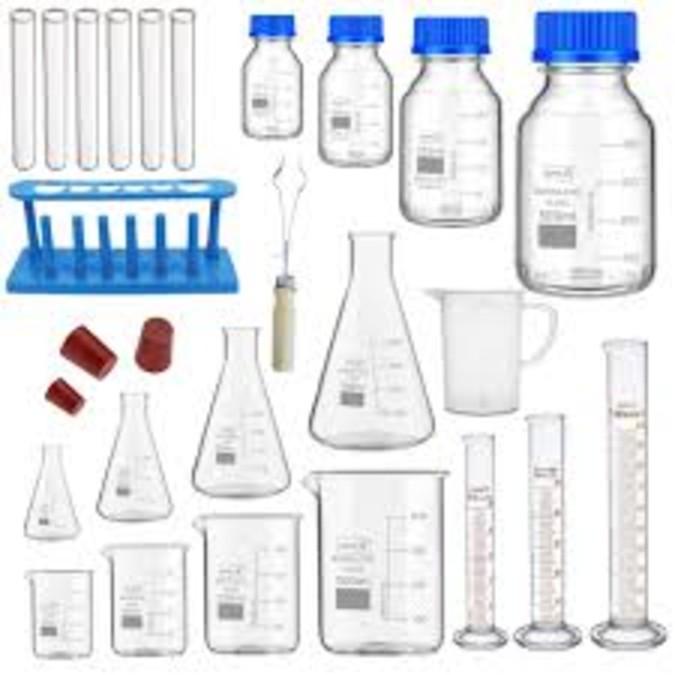
You need a reliable lab equipment distributor to keep your lab running, control costs, and ensure instruments meet performance and safety needs. Choose a distributor that matches your budget, technical needs, and service expectations so you get the right equipment, timely support, and compliant installations.This article breaks down how to evaluate distributors, compare product ranges and warranties, and weigh services like calibration, installation, and procurement tools. Expect clear guidance to help you make practical decisions that reduce downtime and protect your research or production quality.
Choosing the Right Lab Equipment Distributor
Select a distributor that matches your lab’s technical needs, delivery timelines, and compliance requirements. Focus on product quality, inventory transparency, and measurable service guarantees to avoid downtime and ensure accurate results.
Key Factors to Consider
Evaluate lead times, MOQ (minimum order quantities), and return policies before committing. You need distributors who publish realistic delivery windows and offer express options for critical instruments or consumables.Check warranty terms and on-site service rates; a low purchase price can cost more if calibration or repair fees are high. Ask for documented calibration certificates and OEM parts availability for any high-precision equipment you buy.Request third-party performance data and customer references in your discipline. Look for distributors that support installation, staff training, and validation paperwork (IQ/OQ/PQ) when you acquire analytical instruments. Confirm traceability for standards and reagents used in regulated workflows.
Importance of Product Range and Availability
Match the distributor’s catalog to your lab’s core workflows rather than buying from multiple generalist vendors. If your lab runs PCR, sequencing, and cell culture, prioritize suppliers that stock thermocyclers, library-prep kits, sterile consumables, and cryogenic storage solutions.Inventory depth matters: verify on-hand quantities for fast-moving consumables and the supplier’s restock cadence for specialty reagents.Ask about drop-ship capabilities and regional warehouses to reduce transit risk. Confirm whether the distributor keeps alternative SKUs approved for your protocols to prevent single-source failures. Also verify compatibility lists for consumables with your existing instruments to avoid adapter or validation headaches.
Evaluating Supplier Reliability
Assess reliability through quantitative metrics: fill rate, on-time delivery percentage, and mean time to repair (MTTR) for serviced equipment. Request recent performance reports and compare them to your internal service-level needs.Examine the distributor’s quality systems—ISO 9001, ISO 13485, or other relevant certifications—and confirm audit access for high-risk purchases.Review support channels and SLAs for technical assistance. Prefer distributors offering dedicated account managers, 24/7 technical hotlines, and documented escalation paths. Finally, validate financial stability and manufacturer partnerships to ensure continuity of supply and long-term parts support.
Services and Support from Lab Equipment Distributors
Distributors provide ongoing instrument care, hands-on technical guidance, and on-site setup so your lab stays operational and compliant. Expect scheduled maintenance, parts sourcing, and user training tailored to your workflows.
After-Sales Service and Maintenance
You receive service agreements that define response times, preventive maintenance schedules, and parts coverage. Typical plans include annual calibration, filter and consumable replacement, and documented performance verification to meet QA/QC requirements.When a fault occurs, on-site repair or depot service is arranged based on equipment criticality; priority contracts offer same- or next-business-day response. Keep a service history log and asset tags — distributors often supply these and can integrate records into your CMMS.Costs vary by tier: basic labor-only repairs, mid-tier plans with parts included, and premium coverage with full instrument replacement clauses. Verify SLAs (response time, uptime target), excluded wear items, and whether firmware updates are provided as part of the package.
Technical Consultation Offerings
You can access application specialists who match instrument capabilities to your methods, such as choosing HPLC modules for method sensitivity or selecting incubators sized for throughput. Expect feasibility testing, method transfer support, and written recommendations that specify required accessories and environmental controls.Consultants will also perform risk assessments for instrument placement, evaluating ventilation, vibration isolation, and power quality. They can create bill-of-materials for installation and provide cost estimates for upgrades or lab reconfiguration.Ask whether consultation hours are included with purchase or billed separately. Confirm deliverables — lab-ready specifications, validation protocols, or demonstration data — so you get actionable outcomes rather than general advice.
Training and Installation Support
Distributors typically handle unpacking, positioning, leveling, and connecting instruments to utilities and networks. They perform initial qualification (IQ/OQ) steps and hand over calibration certificates so you can start validated work quickly.User training comes in formats: on-site sessions, remote webinars, and documented SOPs customized to your assays. Training covers routine maintenance, basic troubleshooting, and software operation; advanced courses address method development and regulatory recordkeeping.Request training rosters, hands-on time per trainee, and follow-up refresher options. Ensure installers coordinate with your safety officer for PPE, containment, and electrical lockout requirements before arrival.

 Arabic
 French
 Spanish
 Portuguese
 Deutsch
 Turkish
 Dutch
Dutch
 Italiano
 Russian
 Romaian
 Portuguese (Brazil)
 Greek
Greek