


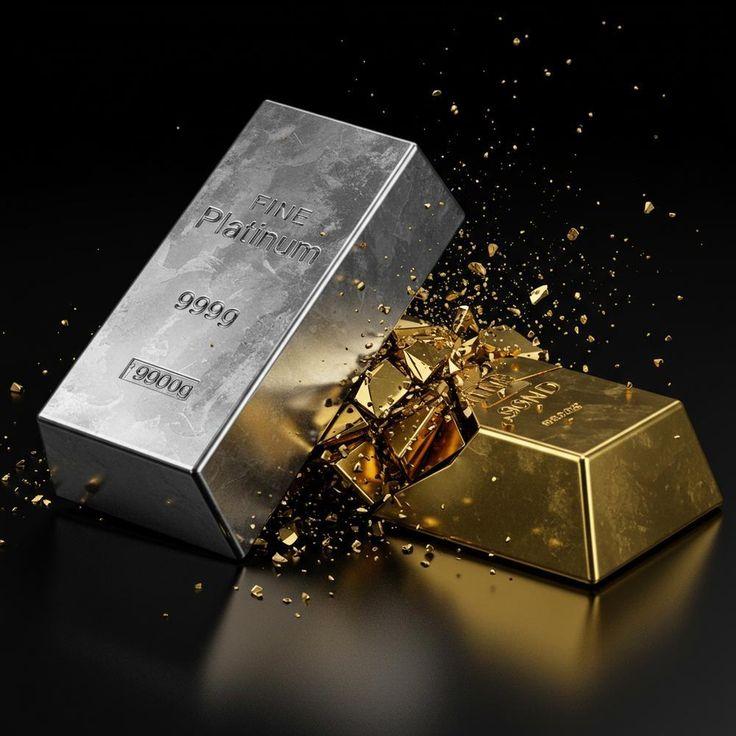
In an economy where rising prices continuously reduce purchasing power, investors are actively searching for assets that can protect their wealth over time. Silver, as a precious metal, has historically played a dual role—both as an industrial commodity and a store of value. This is where the best silver ETFs in India come into focus, offering a modern, efficient, and accessible way to invest in silver without the challenges of physical ownership.
Unlike traditional methods such as buying silver coins or bars, exchange-traded funds allow investors to gain exposure to silver prices through the stock market. These ETFs are backed by physical silver and traded like shares, making them highly liquid and transparent. For investors looking to hedge against inflation while maintaining flexibility, silver ETFs are becoming an increasingly popular choice in India.
Understanding Silver ETFs and Their Role in Inflation Protection
Silver ETFs are financial instruments that track the price of silver and are listed on stock exchanges. Each unit of a silver ETF represents a certain quantity of physical silver stored securely by the fund house.
Inflation erodes the value of money, but commodities like silver tend to rise in price during inflationary periods. This inverse relationship makes silver ETFs a valuable addition to a diversified portfolio.
Why Silver Works as an Inflation Hedge
- Silver has intrinsic value and limited supply
- Industrial demand supports long-term price growth
- Acts as a safe haven during economic uncertainty
- Provides diversification beyond equities
When inflation rises, the demand for tangible assets increases, which often leads to a rise in silver prices. This is why many investors include silver ETFs in their portfolios as a defensive strategy.
Key Features of the Best Silver ETFs in India
Before investing, it is important to understand what makes the best silver ETFs in India unique.
1. No Storage Hassles
Unlike physical silver, ETFs eliminate the need for storage and security concerns.
2. High Liquidity
Silver ETFs can be bought and sold easily on stock exchanges during market hours.
3. Transparent Pricing
Prices are linked directly to the market value of silver, ensuring transparency.
4. Cost Efficiency
Expense ratios are generally lower compared to actively managed funds.
5. Ease of Investment
You can invest through a Demat account just like buying stocks.
Best Silver ETFs in India to Consider
India has seen a rise in silver ETFs as investors increasingly recognize their benefits. Here are some of the top options available:
Nippon India Silver ETF
One of the earliest entrants in the market, Nippon India Silver ETF offers strong liquidity and reliable tracking of silver prices.
Key highlights:
- Backed by physical silver
- High trading volume
- Competitive expense ratio
HDFC Silver ETF
HDFC’s offering is known for its strong brand backing and efficient fund management.
Key highlights:
- Trusted fund house
- Good tracking accuracy
- Suitable for long-term investors
ICICI Prudential Silver ETF
This ETF combines strong research capabilities with consistent performance.
Key highlights:
- Low tracking error
- Reliable fund management
- Strong market presence
Kotak Silver ETF
Kotak’s ETF is gaining traction due to its competitive pricing and efficient structure.
Key highlights:
- Cost-effective investment option
- Growing liquidity
- Transparent operations
Aditya Birla Sun Life Silver ETF
This ETF is designed for investors seeking diversification and stability.
Key highlights:
- Balanced approach
- Strong institutional backing
- Suitable for inflation hedging
How to Choose the Right Silver ETF
Selecting the right ETF is crucial for maximizing returns and minimizing risks.
Track Record and Fund House Reputation
Choose ETFs managed by well-established fund houses with a proven track record.
Expense Ratio
Lower expense ratios help improve overall returns over the long term.
Tracking Error
A lower tracking error indicates that the ETF closely follows silver prices.
Liquidity
Higher trading volumes ensure easier buying and selling.
Assets Under Management (AUM)
Larger AUM often indicates investor trust and stability.
Benefits of Investing in Silver ETFs
Silver ETFs offer several advantages over traditional investment options.
Diversification
Adding silver to your portfolio reduces overall risk by balancing equity exposure.
Inflation Protection
Silver prices often rise during inflation, helping preserve purchasing power.
Accessibility
Investing in silver ETFs is simple and convenient through online trading platforms.
Flexibility
You can invest small amounts and adjust your holdings as needed.
Risks Associated with Silver ETFs
While silver ETFs have many benefits, they also come with certain risks.
Price Volatility
Silver prices can fluctuate significantly due to market conditions.
Industrial Demand Dependency
A large portion of silver demand comes from industries, which can impact prices.
Currency Impact
Global silver prices are influenced by currency movements, especially the US dollar.
Market Risk
Like all market-linked instruments, silver ETFs are subject to overall market risks.
Silver ETFs vs Gold ETFs: Which is Better?
Both silver and gold ETFs serve as hedging instruments, but they have different characteristics.
- Gold is more stable and widely accepted as a store of value
- Silver has higher volatility but greater growth potential
- Silver benefits from industrial demand, unlike gold
- Gold is preferred during extreme economic uncertainty
For a balanced portfolio, many investors choose to allocate funds to both gold and silver ETFs.
Investment Strategy for Silver ETFs
To maximize the benefits of silver ETFs, it is important to follow a structured approach.
Long-Term Holding
Silver ETFs are best suited for long-term investment rather than short-term trading.
Systematic Investment
Investing regularly through SIP-like strategies can reduce the impact of price volatility.
Portfolio Allocation
Experts often recommend allocating 5–15% of your portfolio to commodities like silver.
Rebalancing
Periodically review and adjust your allocation based on market conditions.
Taxation of Silver ETFs in India
Understanding taxation is essential before investing.
- Short-term capital gains are taxed as per your income slab
- Long-term capital gains are taxed with indexation benefits
- Holding period for long-term classification is typically more than 3 years
Tax rules may change, so it is advisable to consult a financial advisor for the latest updates.
Future Outlook of Silver in India
The demand for silver is expected to grow due to its increasing use in:
- Solar panels and renewable energy
- Electric vehicles
- Electronics and semiconductors
As India moves toward sustainable development and industrial expansion, silver demand is likely to increase, supporting long-term price growth.
Common Mistakes to Avoid
Investors often make avoidable mistakes when investing in silver ETFs.
Over-Alloaction
Putting too much money into silver can increase portfolio risk.
Short-Term Speculation
Trying to time the market can lead to losses.
Ignoring Costs
Even small expense ratios can impact long-term returns.
Lack of Research
Investing without understanding the ETF can be risky.
Final Thoughts
Silver ETFs are emerging as a powerful tool for investors seeking inflation protection and diversification. With easy accessibility, transparency, and strong growth potential, they offer a modern alternative to traditional silver investments. Choosing the best silver ETFs in India can help investors safeguard their wealth while benefiting from long-term price appreciation.
At the same time, the platform you use to invest plays a crucial role in your overall experience and returns. Selecting the best stock broker in India ensures seamless execution, advanced analytics, and efficient portfolio management, enabling you to make the most of opportunities in both equities and commodities like silver ETFs.

 English
 Arabic
 French
 Spanish
 Portuguese
 Turkish
 Dutch
Dutch
 Italiano
 Russian
 Romaian
 Portuguese (Brazil)
 Greek
Greek