


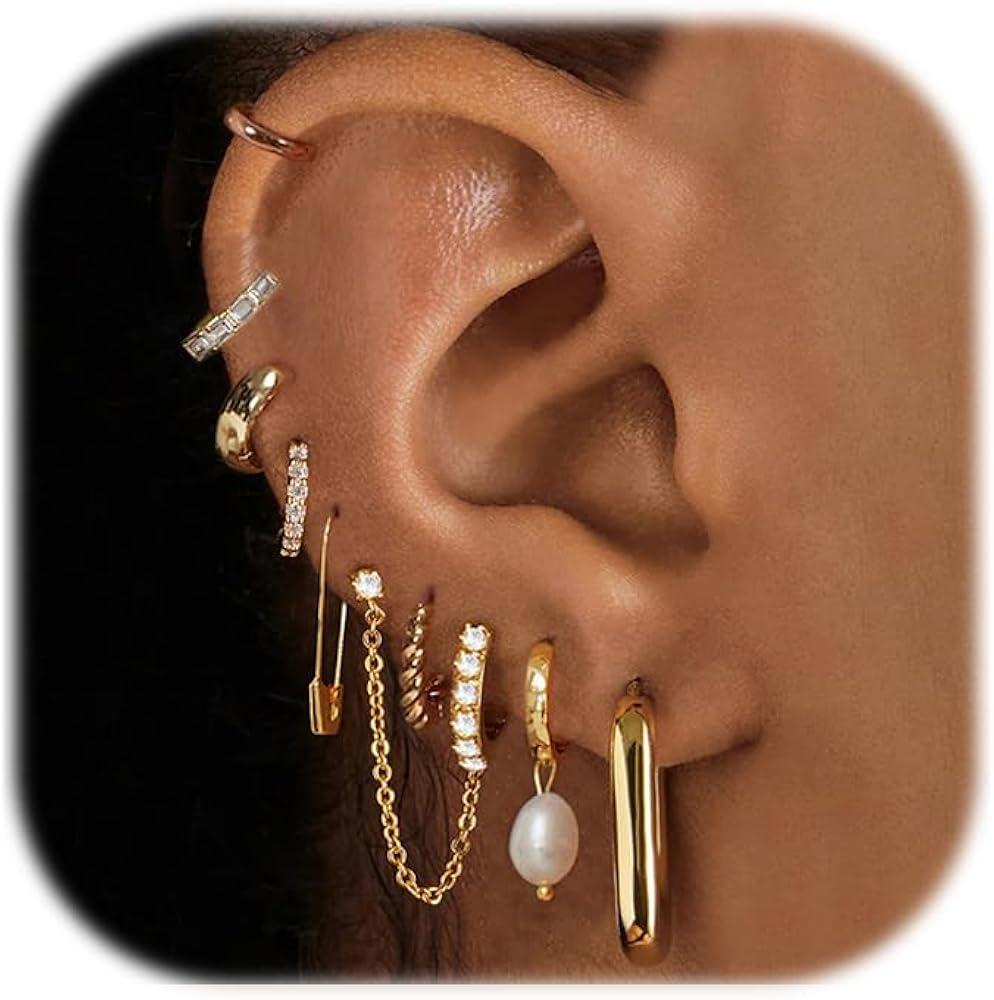
Active lifestyles and new piercings can certainly coexist, but they require a strategic approach to protect the "controlled wound" during its most vulnerable phase. For those balancing a new Ear Piercing Riyadh with a regular fitness or swimming routine, the primary concerns are bacterial exposure and mechanical trauma. Because a fresh piercing is a direct pathway into the underlying tissue, introducing contaminated water or excessive physical friction can lead to infections or "migration," where the jewelry shifts out of its intended alignment. By following a clinical protection protocol, you can maintain your physical performance while ensuring your aesthetic investment heals perfectly.
The Swimming Dilemma: Water Safety
Swimming is the most significant environmental risk for a new piercing. Whether it is a chlorinated pool, a freshwater lake, or the ocean, water is a reservoir for bacteria and chemicals that can irritate a healing fistula.
-
The 4-to-6 Week Rule: It is highly recommended to avoid submerging a new piercing in any body of water for at least 4 to 6 weeks. During this time, the "skin tunnel" is extremely fragile and has no protective barrier against waterborne pathogens.
-
Chlorine and Salt: Chlorine is a harsh chemical that can severely dry out the skin, leading to "chemical irritation." Conversely, while natural sea salt is often thought to be "healing," ocean water contains microorganisms and sand that can cause localized infections.
-
The "Waterproof Bandage" Myth: For ear piercings, especially cartilage, waterproof bandages rarely provide a true airtight seal. If water gets trapped inside the bandage against the piercing, it creates a warm, moist "incubator" for bacteria, which is more dangerous than a quick splash.
Protocol: If you must swim, keep your head above water. If accidental submergence occurs, immediately irrigate the piercing with sterile saline spray and dry it thoroughly with a hair dryer on a "cool" setting.
Managing Sports and Physical Impact
In contact sports or high-intensity training, the risk shifts from infection to "mechanical trauma"—the physical jarring or snagging of the jewelry.
-
Snag Hazards: Loose jewelry is a major risk in sports like basketball, football, or martial arts. A sudden "tug" can tear the lobe or shatter healing cartilage.
-
Helmets and Headgear: If your sport requires a helmet (cycling, boxing, American football), the pressure from the padding can push the jewelry post at an angle. This "angled pressure" is the leading cause of permanent hypertrophic scarring (bumps).
-
The Taping Method: If you cannot remove the jewelry (which you shouldn't during the first 6 months), you can carefully cover the piercing with "breathable medical tape" or a small adhesive bandage. This flattens the profile of the jewelry and prevents it from snagging on equipment or teammates.
The Impact of Sweat and Hygiene
While sweat itself is sterile, it can transport oils, dead skin cells, and hair products into the piercing site.
-
Post-Workout Irrigation: After any activity that induces sweating, you must clean the piercing. Use a sterile saline spray to flush away the salt and minerals left behind by sweat.
-
Avoid Friction: Ensure your workout gear—such as headbands or tight "dry-fit" hoods—does not rub against the piercing. Constant friction creates "moisture traps" that can lead to white, soggy tissue (maceration) around the hole.
-
Cleaning Equipment: Ensure that yoga mats, headsets, and gym towels are clean. Touching your ear with a hand that has just gripped a communal gym weight is a high-risk behavior for infection.
Healing Timelines for Athletes
Because the body’s resources are diverted toward muscle repair and cardiovascular recovery during intense training, athletes may find their piercings heal slightly slower.
| Activity Type | Risk Level | Recommendation |
| Swimming | High | Avoid submergence for 4–6 weeks. |
| Contact Sports | High | Use medical tape; avoid jewelry removal. |
| Gym/Weightlifting | Low | Flush with saline immediately post-workout. |
| Yoga/Pilates | Moderate | Be mindful of pressure during "inverted" poses. |
Recognizing "Activity-Induced" Irritation
If your piercing becomes red, swollen, and "throbbing" specifically after a workout, it is likely experiencing Mechanical Irritation.
-
Check the Fit: Ensure your jewelry post is long enough to handle the increased blood flow and minor swelling that occurs during exercise.
-
Downsize Early: If the "long" initial post is moving too much during your runs or movements, consult your specialist about "downsizing" to a snug-fitting post as soon as the initial swelling period (4–8 weeks) has passed.
Conclusion: Balance and Protection
Navigating sports and swimming with a new piercing doesn't require a total halt to your lifestyle, but it does require increased vigilance. By prioritizing sterile saline irrigation after every sweat session and strictly avoiding contaminated water during the initial month, you can protect the integrity of your curation. A professional ear piercing is designed to be a permanent part of your identity; by treating it with the same clinical care you give your athletic recovery, you ensure it remains a healthy and beautiful addition for years to come.

 English
 Arabic
 French
 Portuguese
 Deutsch
 Turkish
 Dutch
Dutch
 Italiano
 Russian
 Romaian
 Portuguese (Brazil)
 Greek
Greek