


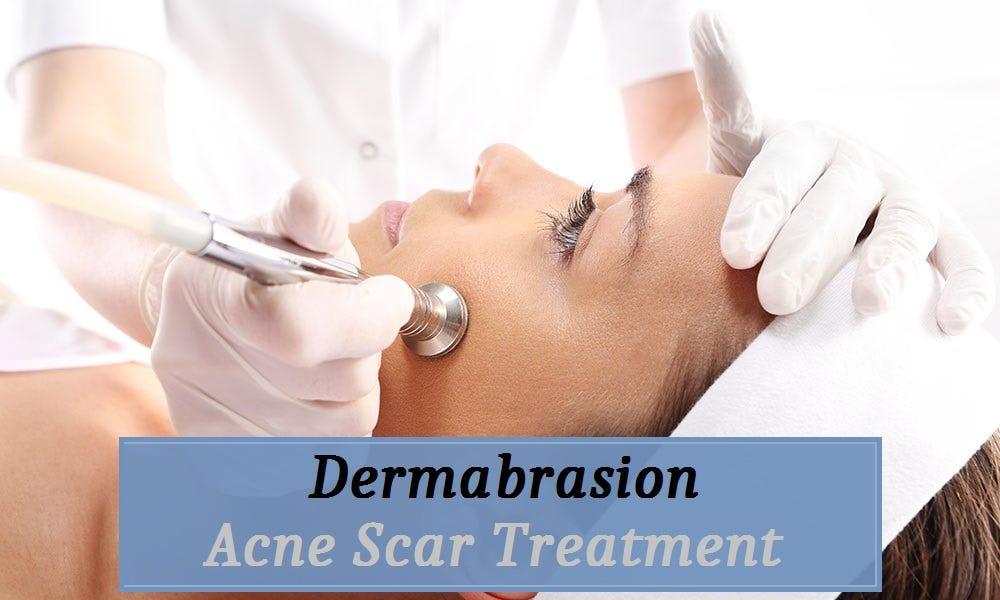
The recovery from a professional dermabrasion procedure is a structured biological process that requires patience and diligent care. Because the treatment involves a deep resurfacing of the skin, the "downtime" is not merely for comfort, but to allow the body to reconstruct its protective barrier.
If you are undergoing a Dermabrasion treatment Riyadh, following this timeline will ensure that the new skin matures into a smooth, even, and radiant complexion while minimizing the risk of complications.
Days 1–3: The Inflammatory Phase
Immediately following the procedure, the skin is in a state of high-intensity repair.
-
Appearance: The skin will be bright red, swollen, and "weeping." This clear or slightly pink fluid is serum, which is rich in the proteins needed for healing.
-
Sensation: You may feel a throbbing or "tight" sensation, similar to a deep sunburn.
-
Essential Care: You must keep the area covered with a thick layer of specialized ointment at all times. Never allow the skin to dry out or form a hard scab. A moist environment allows new cells to migrate across the surface up to 50% faster than dry healing.
Days 4–7: Re-epithelialization
During this stage, the "miracle" of skin regeneration occurs.
-
New Skin Formation: Beneath the protective layer of ointment, tiny "islands" of new skin cells (epithelium) begin to merge. By day 7, a thin, pink, and very delicate layer of new skin should cover the entire treated area.
-
Itching: As the nerves begin to settle and the skin heals, it is common to experience itching. Do not scratch, rub, or pick at the area, as the new skin is still extremely fragile.
-
Transition: Toward the end of the first week, the weeping stops, and the swelling begins to dissipate significantly.
Days 8–14: The "Pink" Phase
By the second week, most patients are comfortable returning to social activities, though the skin remains noticeably vibrant.
-
The "Pink Glow": The skin will have a deep pink or "flushed" appearance. This is due to neovascularization—the formation of new, tiny blood vessels that are delivering oxygen and nutrients to the maturing collagen.
-
First Wash: You can typically transition from heavy ointments to a gentle, fragrance-free moisturizer and a very mild cleanser, as directed by your surgeon.
-
Sun Sensitivity: The skin is now "virgin" tissue. It lacks its natural melanin protection, making it hypersensitive to UV rays.
Months 1–3: Maturation and Leveling
While you may look "healed" on the surface, the deeper structural changes are still underway.
-
Collagen Tightening: The new collagen fibers produced in response to the dermabrasion are maturing and contracting. This is when you will notice the most significant improvement in scar depth and wrinkle reduction.
-
Color Normalization: The pinkness will gradually fade into your natural skin tone. For some, this happens in four weeks; for others, it may take three months.
-
Texture Refinement: The skin's texture continues to smooth out as the new epidermal layers thicken and stabilize.
The "Golden Rules" for Optimal Results
To ensure your recovery leads to the best possible aesthetic outcome, adhere to these three clinical mandates:
| Rule | Rationale |
| Strict UV Avoidance | Sunlight on healing skin can cause permanent dark spots (hyperpigmentation). Wear a wide-brimmed hat and use physical sunblock (zinc/titanium) daily. |
| Moist Healing | Keeping the area "occluded" with ointment prevents scabbing, which is the primary cause of uneven texture post-procedure. |
| Patience with Pinkness | Do not try to "scrub away" the pinkness. It is a sign of healthy blood flow and will fade naturally as the skin matures. |
When to Consult Your Specialist
While redness and swelling are expected, you should contact your clinic if you experience an abrupt increase in pain, yellow crusting, or a fever. Most patients find that by the 10-day mark, they can use specialized "breathable" camouflage makeup to cover the residual pinkness and return to their professional routine with a significantly more refined and youthful complexion.

 English
 Arabic
 French
 Spanish
 Portuguese
 Turkish
 Dutch
Dutch
 Italiano
 Russian
 Romaian
 Portuguese (Brazil)
 Greek
Greek