


Geo-restrictions are one of the most common barriers users face on the internet. Many websites, streaming platforms, and online services limit access based on geographic location, often due to licensing agreements, regional policies, or security concerns. For professionals working with data, marketing, or automation, these restrictions can significantly limit what they can access and analyze.
This is where proxies become a practical solution. When used correctly, they allow users to simulate access from different locations, making it possible to bypass these restrictions safely and efficiently.
What Are Geo-Restrictions?
Geo-restrictions are mechanisms that websites use to control access based on the user’s IP address. Since an IP reveals your approximate location, platforms can decide whether to allow or block access depending on the region.
For example, a website may only allow users from the United States to view certain content. If your IP is from another country, access will be denied or limited.
How Proxies Help Bypass Geo-Restrictions
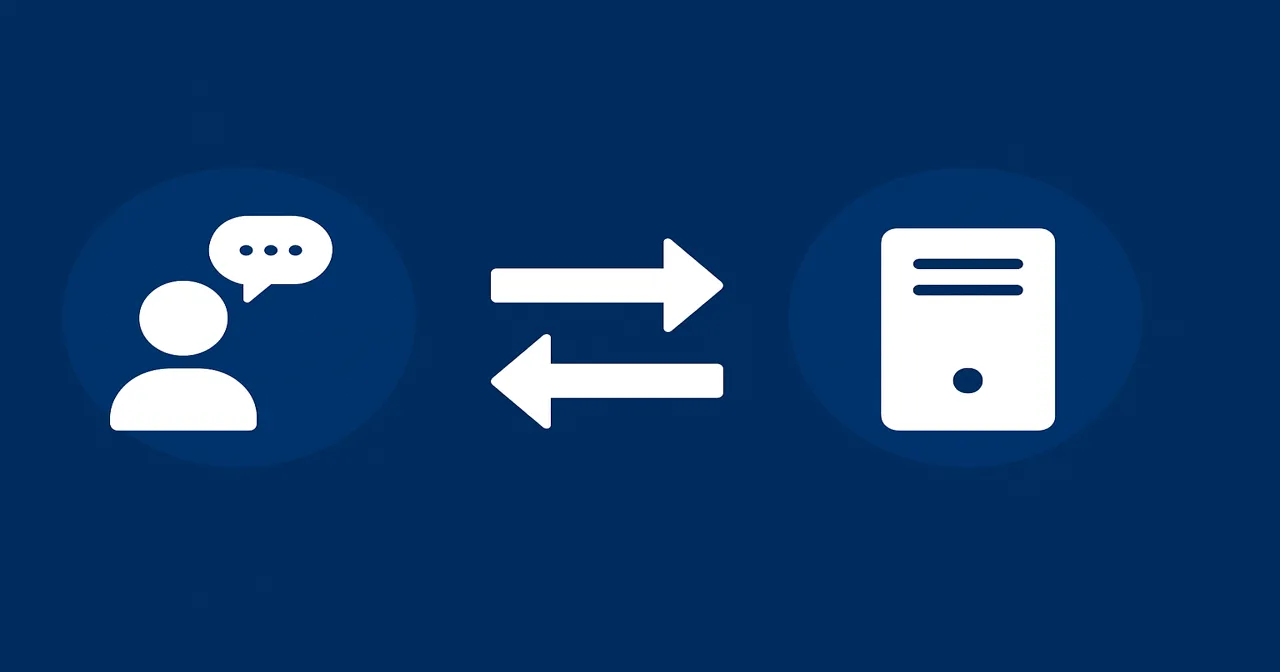
Proxies work by acting as intermediaries between your device and the target website. Instead of connecting directly, your request is routed through a server located in a different region. As a result, the website sees the proxy’s IP instead of your real one.
This allows you to:
- Access region-locked content
- Test localized versions of websites
- Conduct market research in different countries
- Verify ads and search engine results across regions
To achieve consistent results, many users rely on proxy providers that offer access to diverse and reliable IP pools across multiple locations.
Choosing the Right Type of Proxy
Not all proxies are equally effective for bypassing geo-restrictions. The type you choose will directly impact your success rate.
- Residential proxies: Best for bypassing restrictions, as they use real user IPs and are less likely to be blocked
- Datacenter proxies: Faster but more easily detected by advanced systems
- Mobile proxies: Highly trusted and ideal for platforms with strict filtering
If your goal is reliability and access to sensitive platforms, residential or mobile proxies are usually the safest options.
Best Practices for Safe Usage
Using proxies incorrectly can still lead to blocks or detection. To minimize risks, follow these best practices:
- Match the proxy location with your target region
- Avoid sending excessive requests in a short time
- Use rotating IPs when performing repeated actions
- Combine proxies with proper browser configurations
- Monitor response behavior to detect early signs of blocking
Safety is not just about hiding your IP—it’s about mimicking natural user behavior.
Common Mistakes to Avoid
Many users assume that simply using a proxy guarantees access. However, several common mistakes can reduce effectiveness:
- Using low-quality or free proxies
- Ignoring IP reputation
- Not rotating IPs when needed
- Choosing the wrong proxy type for the task
These issues often result in failed requests or restricted access.
Real-World Applications
Bypassing geo-restrictions is not just about accessing content—it has real business applications:
- Market research across different countries
- Ad verification for global campaigns
- Competitive analysis in multiple regions
- Testing localized user experiences
In these cases, proxies provide a controlled way to interact with platforms as if you were physically located in another region.
Final Thoughts
Proxies are a powerful tool for overcoming geographic limitations, but they must be used strategically. The combination of the right proxy type, proper configuration, and reliable infrastructure determines overall success.
When implemented correctly, proxies allow you to operate globally without physical limitations, making them essential for modern digital workflows.

 English
 Arabic
 French
 Portuguese
 Deutsch
 Turkish
 Dutch
Dutch
 Italiano
 Russian
 Romaian
 Portuguese (Brazil)
 Greek
Greek