


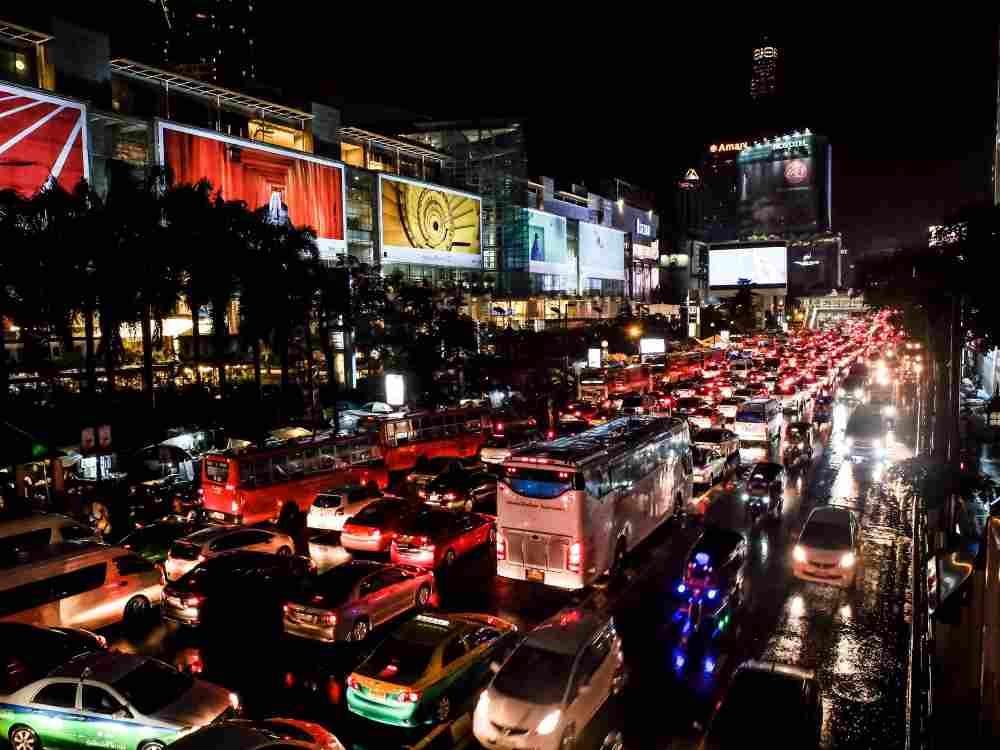
Outdoor LED screens have fundamentally reshaped the way we interact with public spaces, from towering digital billboards along highways to dynamic displays at stadiums and concerts. Designed to endure harsh environmental conditions while delivering high-impact visuals, these systems are a significant investment in technology and engineering. This comprehensive guide explores everything you need to know about outdoor LED screens, including how they work, the critical specifications to consider, and how to ensure long-term performance.
How Outdoor LED Screens Work
An outdoor LED screen is a large, flat-panel display composed of an array of light-emitting diodes (LEDs) that serve as individual pixels. Unlike indoor screens, outdoor displays are engineered to deliver bright, vibrant content in external environments and withstand weather elements like rain, dust, and extreme temperatures. The core technology involves mounting Surface-Mounted Device (SMD) LEDs onto modular panels, which can be assembled to create a screen of virtually any size or aspect ratio. A sophisticated control system, including video processors and receiving cards, manages content playback, brightness levels, and overall display performance in real-time.
Key Specifications and Technologies
Brightness (Nits)
The most critical specification for an outdoor LED screen is brightness, measured in nits (candelas per square meter). To be visible under direct sunlight, outdoor displays typically require a brightness level between 5,000 and 8,000 nits, with high-end models exceeding 10,000 nits. For reference, a standard indoor display is only around 350-500 nits. Many modern screens feature auto-brightness sensors that adjust output based on ambient light, conserving energy at night while remaining effective during the day.
Pixel Pitch
Pixel pitch is the distance between the centers of two adjacent pixels, measured in millimeters. A smaller pixel pitch means higher resolution but is best suited for closer viewing distances. For outdoor applications, common pixel pitches range from P4 to P10, balancing resolution with the intended viewing distance. A P10 display, for example, is optimally viewed from approximately 10 meters away. The general formula is: minimum viewing distance (meters) = pixel pitch (mm) × 1,000.
Ingress Protection (IP) Rating
The IP rating defines a screen’s resistance to solids and liquids. For outdoor use, an IP65 rating or higher is standard, indicating complete protection against dust ingress (6) and protection against low-pressure water jets from any direction (5). In harsh coastal or high-humidity environments, an IP66 or IP67 rating may be recommended.
Packaging Technologies: SMD, GOB, and COB
The durability of an outdoor LED screen is heavily influenced by its packaging technology.
-
SMD (Surface-Mounted Device): This is the most common and cost-effective technology. Individual LED chips are packaged and mounted on a circuit board. However, exposed LEDs are vulnerable to moisture, dust, and physical damage, which can be problematic for long-term outdoor use.
-
GOB (Glue on Board): This is an upgraded version of SMD. After SMD LEDs are soldered onto the board, a transparent epoxy resin coating is applied over the entire surface. This protective layer significantly improves water and dust resistance, making GOB ideal for harsh outdoor environments.
-
COB (Chip on Board): Bare LED chips are bonded directly to the PCB and coated with a protective layer. While COB offers superior durability and heat dissipation, it is typically more expensive and better suited for high-resolution indoor displays.
Applications and Benefits
Outdoor LED screens are deployed in a vast array of scenarios. The most prevalent use is in digital billboards and outdoor advertising along highways, where they can rotate multiple ads and be updated remotely. Sports stadiums rely on giant LED scoreboards and ribbon displays to provide live scores and instant replays. Public spaces, transportation hubs, and shopping malls use them for wayfinding, news, and public service announcements. They are also integral to concert tours as stage backdrops and used for retail storefronts and building facades. The global outdoor LED signage market was valued at USD 4.25 billion in 2024 and is expected to grow rapidly.
Installation and Maintenance
Proper installation is critical for the safety and longevity of an outdoor LED screen. Key considerations include:
-
Structural Integrity: Exterior-mounted systems experience wind pressure, building sway, and micro-movements that can stress mounting points over time. A structural engineer should evaluate load requirements.
-
Lightning Protection: Install lightning protection devices on both the display and the building, with proper grounding resistance of less than 3 ohms to safely discharge high currents during storms.
-
Ventilation and Cooling: Outdoor screens generate heat and are also exposed to solar radiation. Install ventilation equipment, such as axial flow fans, to keep the internal temperature between -10°C and 40°C (14°F to 104°F).
-
Waterproofing: The screen body and its junction with the building must be strictly waterproof and include proper drainage measures.
Regular maintenance is essential. This includes cleaning the screen every two weeks with a soft, dry cloth or special LED cleaning tools, inspecting for dead pixels or color shifts, and monitoring power supply stability. Professional inspections should be conducted at least once a year.
Cost and Lifespan
The cost of outdoor LED screens varies widely based on pixel pitch, size, and technology. In Malaysia, for example, P4-P6 outdoor screens suitable for festivals and billboards cost between RM 6,000 and RM 12,000 per square meter, while larger P8-P10 screens range from RM 4,000 to RM 8,000 per square meter. For large-scale outdoor billboards, the total investment can be substantial, often exceeding 10,000 yuan per square meter for high-end installations.
Regarding longevity, a high-quality outdoor LED screen has a theoretical lifespan of 100,000 hours, which equates to over 11 years of continuous use. However, real-world conditions—exposure to sun, wind, rain, and dust—typically reduce this to 3 to 8 years. Proactive maintenance can extend operational life by 3-5 years.
The Future of Outdoor LED Displays
The industry is moving toward higher energy efficiency. For instance, next-generation urban billboards now achieve a 30% reduction in annual operating costs through advanced SMT technology and modular design. Furthermore, the rise of transparent and mesh LED facades allows for creative architectural integrations that preserve natural light and reduce wind load. As the technology continues to evolve, outdoor LED screens will become even more integrated into the urban landscape, offering smarter, more sustainable, and more engaging visual experiences.
5 FAQs About Outdoor LED Screens
1. What brightness do I need for an outdoor LED screen to be visible in direct sunlight?
To ensure visibility in direct sunlight, an outdoor LED screen requires a minimum brightness of 5,000 nits. High-quality displays typically range from 5,000 to 8,000 nits, with some premium models exceeding 10,000 nits.
2. What is the difference between SMD, GOB, and COB technologies?
SMD is the standard, cost-effective technology but has exposed LEDs vulnerable to moisture and damage. GOB adds a protective epoxy coating over SMD LEDs, making it ideal for harsh outdoor conditions. COB bonds bare chips directly to the board, offering superior durability but at a higher cost, typically for indoor high-resolution displays.
3. How long does an outdoor LED screen typically last?
While the theoretical lifespan is up to 100,000 hours (over 11 years), outdoor screens usually last between 3 to 8 years in real-world conditions due to environmental exposure. With proper maintenance, their operational life can be extended by 3-5 years.
4. What IP rating is recommended for outdoor LED screens?
An IP65 rating is the minimum recommended for outdoor use, providing complete dust protection and resistance to water jets. For harsh coastal or high-humidity environments, IP66 or IP67 is advisable.
5. How much does an outdoor LED screen cost per square meter in Malaysia?
In Malaysia, outdoor LED screens with P4-P6 pixel pitch typically cost between RM 6,000 and RM 12,000 per square meter, while larger P8-P10 screens range from RM 4,000 to RM 8,000 per square meter. Prices vary based on brand, technology, and installation complexity.
Want to know about indoor led screen? Read: https://app.globalteachershub.com/read-blog/123685

 English
 French
 Spanish
 Portuguese
 Deutsch
 Turkish
 Dutch
Dutch
 Italiano
 Russian
 Romaian
 Portuguese (Brazil)
 Greek
Greek