


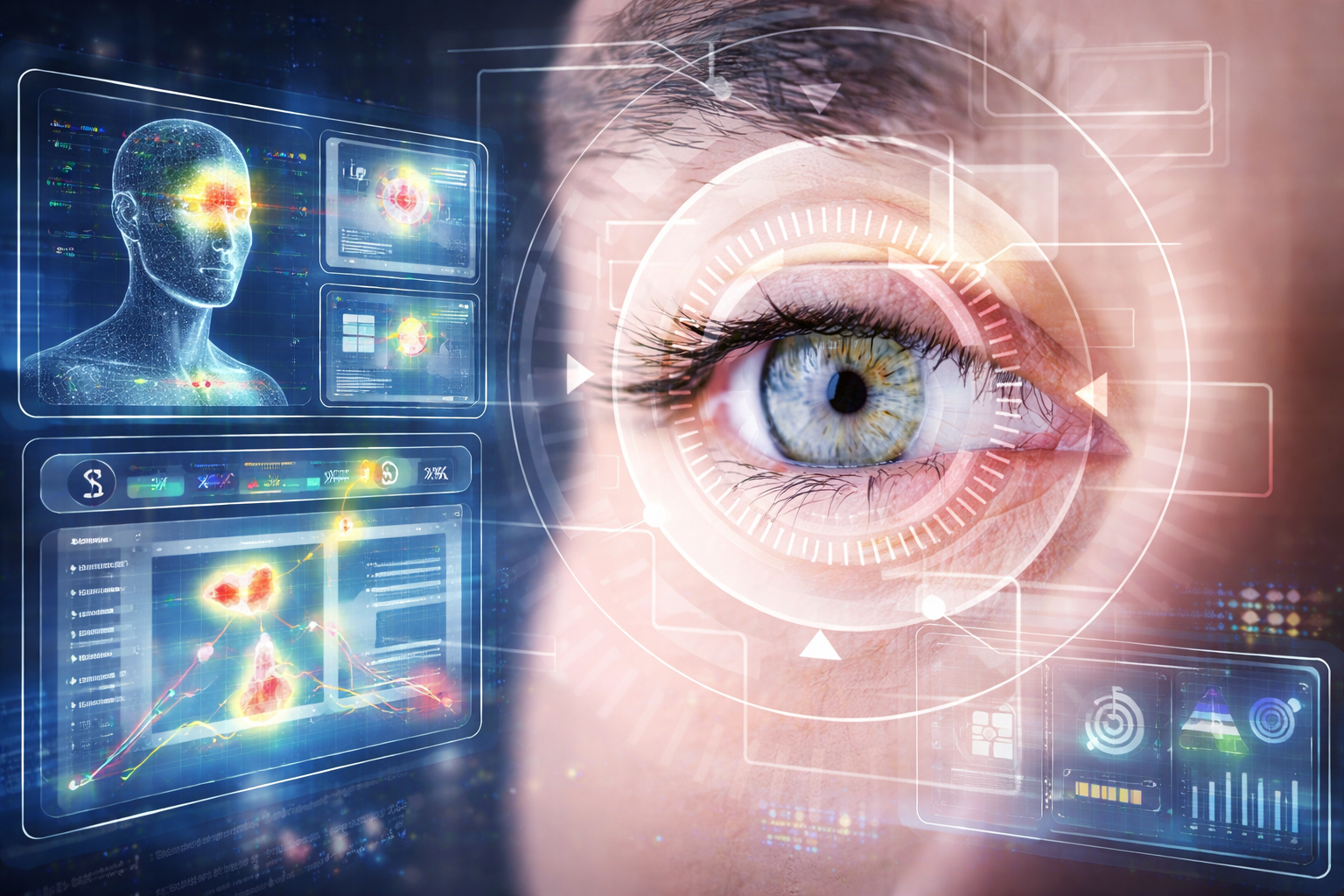
The art of digital design is currently undergoing a beautiful transformation. For years, creators relied on reactive data looking at what people did in the past to try and guess what they might do tomorrow. However, the industry is moving toward a much more sophisticated approach known as predictive user experience design. This methodology focuses on anticipating a user's needs and fulfilling them before the user even has to ask. It is about creating a digital environment that feels like it is finishing your thoughts, making every interaction feel graceful and intuitive.
Design is shifting from a reactive art form into a predictive science that prioritizes the user's future needs. Integrating a sophisticated eye tracking tool into your research process provides a window into the subconscious mind of your audience. This data allows you to create interfaces that seem to finish the user's thoughts before they even speak them, creating a harmonious bond between the brand and the individual. By understanding where a person looks first, where they linger, and what they ignore, you can build a roadmap that guides them toward their goals with total ease.
Here is an exploration of how this technology is becoming the cornerstone of the next generation of digital experiences.
Understanding the Science of Visual Intent
Every movement of the human eye is a signal of intent. Before we click a button or type a search query, our eyes have already scanned the horizon to find the most relevant information. By capturing these patterns, businesses can identify the "pre-click" phase of the journey. This phase is rich with information about what the user is actually seeking.
Predictive design uses this information to reorganize layouts in real-time. If the data shows that users consistently look for a specific piece of information in the top right corner, a predictive system can ensure that the most relevant content is always placed exactly in that line of sight. This reduces the mental effort required to use a website, making the entire experience feel much more supportive and welcoming.
Mapping the Decision-Making Process
The path to a purchase or a sign-up is rarely a straight line. It is a series of evaluations and comparisons. When you utilize an eye tracking tool to study these moments, you gain a clear view of the hierarchy of information. You can see which features inspire confidence and which elements cause a user to pause and reflect.
This insight allows designers to:
-
Highlight Key Value Props: Place the most important benefits where they receive the most visual attention.
-
Streamline Navigation: Remove visual clutter that distracts from the primary goal of the page.
-
Enhance Trust: Position social proof and security badges in the natural scanning path of the user.
By aligning the design with the natural way humans process information, you create a sense of flow that naturally leads to higher satisfaction and better results for everyone.
Enhancing Personalization through Predictive Analytics
Personalization is no longer just about using a name in a greeting; it is about providing the right content at the exact moment it is needed. Predictive UX takes this a step further by using visual attention data to train machine learning models. These models can then predict which layout or which set of images will be most effective for a specific type of user.
For example, when an eye tracking tool identifies that a specific segment of your audience prioritizes visual imagery over long descriptions, the predictive system can automatically adjust the interface to favor high-quality photos for those users. This level of customization makes every visitor feel like the website was built specifically for them, fostering a deep sense of loyalty and engagement.
Reducing Cognitive Load for a Smoother Journey
Cognitive load refers to the amount of mental effort required to complete a task. In a world full of distractions, the most successful brands are the ones that make life easier for their customers. Predictive design aims to lower this load by making the "next step" as obvious as possible.
When you analyze how eyes move across a complex interface, you can see where the brain has to work harder. If a user’s gaze is bouncing back and forth between two points, it often indicates a need for more clarity. By smoothing out these visual hurdles, you create a frictionless experience. This proactive refinement ensures that the user remains focused and happy, rather than feeling overwhelmed by too many choices or unclear directions.
The Role of AI in Real-Time UX Optimization
As we look toward the future, the integration of artificial intelligence and visual data will become even more seamless. We are entering an era where websites can adapt their structure in milliseconds based on the gaze patterns of the current visitor. This is the ultimate expression of customer-centricity.
By prioritizing the way people naturally interact with the world, businesses can create digital spaces that are both beautiful and highly functional. This commitment to understanding the user on a fundamental level is what will define the leading brands of the future. It is a journey toward a more intuitive, helpful, and rewarding digital landscape where technology exists to serve human needs with grace and precision.
Building a Future of Intuitive Interaction
The move toward predictive design is a testament to how much we value the human experience in the digital age. By focusing on anticipation rather than just reaction, we are creating a world where technology feels like a natural extension of our own thoughts and desires. This approach fosters a deep sense of harmony and satisfaction, ensuring that every digital interaction is an opportunity to provide genuine value. As we continue to refine these methods, the bond between brands and their audiences will only grow stronger, leading to a future where every journey is smooth, successful, and truly delightful.
Frequently Asked Questions
What exactly is predictive user experience design?
Predictive UX design is a method of creating digital interfaces that anticipate what a user will need next based on their current behavior and historical data. The goal is to provide a seamless experience where the system provides answers or options before the user has to search for them.
How does visual data differ from standard click-tracking?
Click-tracking only shows you the final action a user took. Visual data, however, shows you the entire process leading up to that action. It reveals what the user considered, what they ignored, and how long they spent evaluating different options, providing a much deeper level of insight into their state of mind.
Is this technology useful for mobile application design?
Yes, it is incredibly beneficial for mobile design. Since screen space is limited on mobile devices, knowing exactly where a user looks is vital for prioritizing content. It helps designers place the most important buttons and information in the most accessible and visible areas.
How does this approach benefit the customer?
The primary benefit for the customer is a faster, easier, and more enjoyable experience. By reducing the time spent searching for information and making the navigation more intuitive, predictive design allows users to achieve their goals with minimal effort and maximum satisfaction.

 Arabic
 French
 Spanish
 Portuguese
 Deutsch
 Turkish
 Dutch
Dutch
 Italiano
 Russian
 Romaian
 Portuguese (Brazil)
 Greek
Greek