


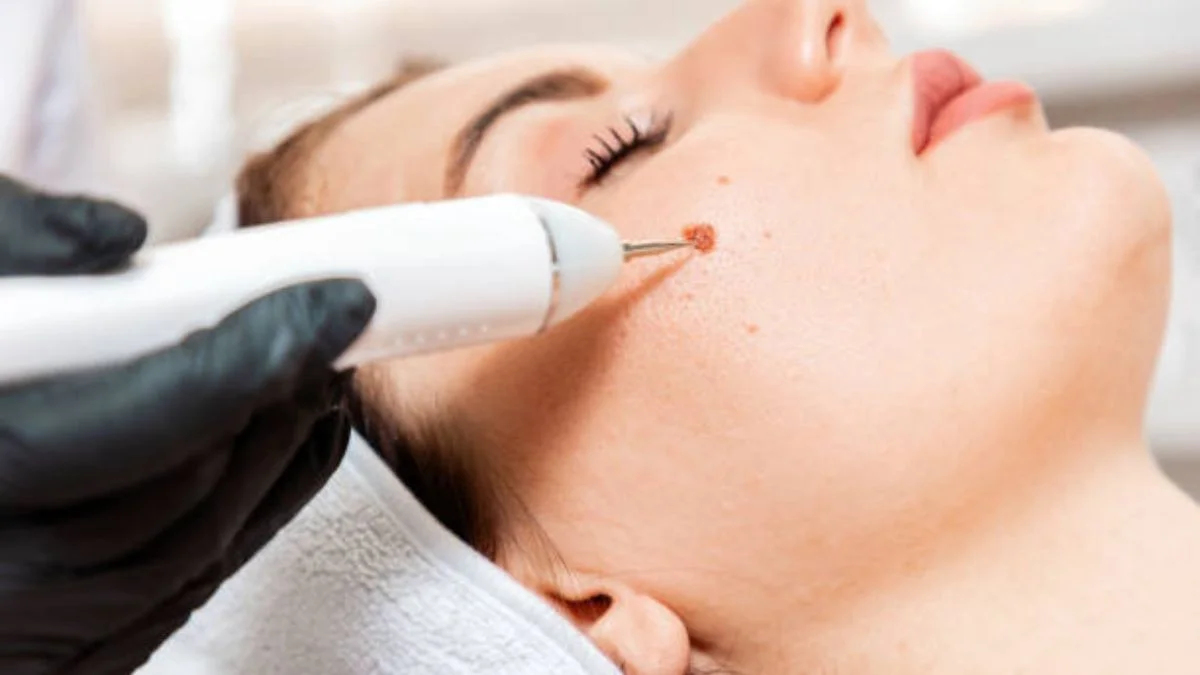
Understanding the Benefits of Professional Skin Lesion Removal
Choosing to address cutaneous irregularities through clinical channels offers far more than just a cosmetic upgrade; it ensures a level of safety and diagnostic precision that cannot be replicated at home. When considering Skin Lesion Removal in Riyadh, patients benefit from a medical infrastructure that prioritizes sterile environments and advanced dermatological expertise. In a region where high UV indexes can mask the progression of sun-induced damage, having a professional evaluate a growth before its extraction is a critical health intervention. Professional removal utilizes calibrated technology—such as specialized lasers and medical-grade cryogens—to target abnormal tissue while sparing the healthy surrounding dermis. This balance of medical necessity and aesthetic refinement ensures that the lesion is removed completely, the risk of infection is mitigated, and the resulting skin texture remains as natural and seamless as possible.
Diagnostic Accuracy: Beyond the Surface
The most significant benefit of professional removal is the diagnostic stage. What a layperson might identify as a simple "age spot" or a "stubborn wart" could, in reality, be an actinic keratosis (pre-cancerous) or an early-stage basal cell carcinoma.
-
Dermoscopic Evaluation: Professionals use polarized light magnification to see the vascular patterns and pigment structures of a lesion. This allows them to identify "chaos" in the cell structure that is invisible to the naked eye.
-
Pathological Analysis: If a lesion shows any atypical features, a professional will perform a diagnostic excision. The tissue is then sent to a laboratory where a pathologist examines it under a microscope. This provides a definitive "yes" or "no" regarding malignancy, a peace of mind that home kits can never offer.
-
Preventing "Masking": If a malignant mole is partially removed or "burned" with an over-the-counter acid, the surface might look clear, but the cancerous cells can continue to migrate deeper into the bloodstream or lymphatic system. Professional care ensures that if a lesion is dangerous, it is dealt with according to oncology protocols.
Superior Aesthetic Outcomes and Minimal Scarring
For many, the motivation for removal is the desire for smoother skin. However, an improperly removed lesion can leave a scar that is more noticeable than the original growth. Professional methods are specifically designed to minimize "collateral damage" to the skin.
Laser Precision
Medical lasers, such as CO2 or Er:YAG, allow for layer-by-layer vaporization of tissue. The depth is controlled to a fraction of a millimeter. Because the laser also seals blood vessels and nerve endings as it works, there is less swelling and bruising, leading to a much cleaner healing process. This is particularly beneficial for lesions on the face, such as around the eyes or nose.
Tension-Free Suturing
When a surgical excision is required, a trained specialist understands the "relaxing skin tension lines." By placing incisions parallel to these natural folds, the wound closes with minimal tension. This prevents the scar from stretching over time (a common issue with DIY methods or untrained removals), resulting in a fine, white line that eventually blends into the natural skin tone.
Specialized Tools
Clinics use tools like the "Plexr" (plasma shower) or radiofrequency ablation, which remove skin tags and small warts by ionizing the air between the tool and the skin. This creates a tiny "crust" that protects the healing skin underneath, often resulting in zero visible scarring once the crust falls off.
Safety, Sterility, and Infection Control
The skin is the body’s primary barrier against infection. Any time that barrier is breached, there is a risk of introducing bacteria like Staphylococcus aureus.
-
Sterile Field: Professional removals are conducted in a controlled environment using autoclaved instruments and single-use disposables. This reduces the risk of post-operative infections to nearly zero.
-
Hemostasis: Managing bleeding is a key part of the procedure. Professionals use electrocautery or chemical agents to stop bleeding instantly. This is crucial for patients taking blood thinners or those with certain medical conditions.
-
Immediate Complication Management: In the rare event of an allergic reaction to a local anesthetic or an unexpected vasovagal response (fainting), a clinical setting is equipped with the necessary emergency medications and monitoring equipment to handle the situation immediately.
Long-Term Recurrence Prevention
One of the biggest frustrations with "home remedies" for warts or skin tags is that they often grow back within weeks. This is because the underlying "root" or the viral reservoir remains intact.
Professional removal is "definitive." For a viral wart, a specialist may use a combination of cryotherapy and keratolytic agents to ensure the virus is eradicated. For a mole, they ensure the "nevus cells" in the deeper dermal layers are fully removed. By choosing a professional route, you are investing in a one-time solution rather than a recurring cycle of DIY attempts that gradually damage the skin's texture.
Tailored Care for Sensitive Areas
Certain parts of the body require a gentler touch. Lesions on the eyelids (xanthelasma), the genitals, or the soles of the feet (plantar warts) cannot be treated with generic store-bought acids without risking severe chemical burns or loss of function.
A professional can provide:
-
Specialized Anesthesia: Such as nerve blocks, which numb a larger area without distorting the shape of the lesion, allowing for a more precise cut.
-
Topical Numbing Creams: High-potency medical creams that make the procedure comfortable for children or those with a low pain threshold.
-
Anatomical Knowledge: Understanding where nerves and major blood vessels lie to avoid accidental injury during deep removals.
The Psychological Boost of Professional Results
Living with a prominent skin lesion can affect one's self-esteem, especially in a social or professional context. There is a specific psychological benefit to knowing that a lesion has been handled by an expert. Patients report feeling a "weight lifted" when a suspicious mole is cleared by a pathologist, or a newfound confidence when a facial lesion that they have hidden with makeup for years is finally gone.
The "professional touch" ensures that the transition from having a lesion to having clear skin is a positive experience. The guidance provided on post-care—such as which silicone gels to use or which sunscreens are best for healing tissue—empowers the patient to take charge of their recovery, ensuring the best possible long-term result.
Conclusion
The benefits of professional skin lesion removal extend far beyond the physical act of extraction. It is a comprehensive process that encompasses diagnostic safety, technical precision, and aesthetic artistry. In a medical landscape that offers such sophisticated options, opting for professional care is the only way to ensure that your skin health is protected and your aesthetic goals are met. By trusting the expertise of a specialist, you ensure that the removal is not just effective, but safe, permanent, and visually seamless, allowing you to move forward with the confidence of healthy, vibrant skin.

 Arabic
 French
 Spanish
 Portuguese
 Deutsch
 Turkish
 Dutch
Dutch
 Italiano
 Russian
 Romaian
 Portuguese (Brazil)
 Greek
Greek