


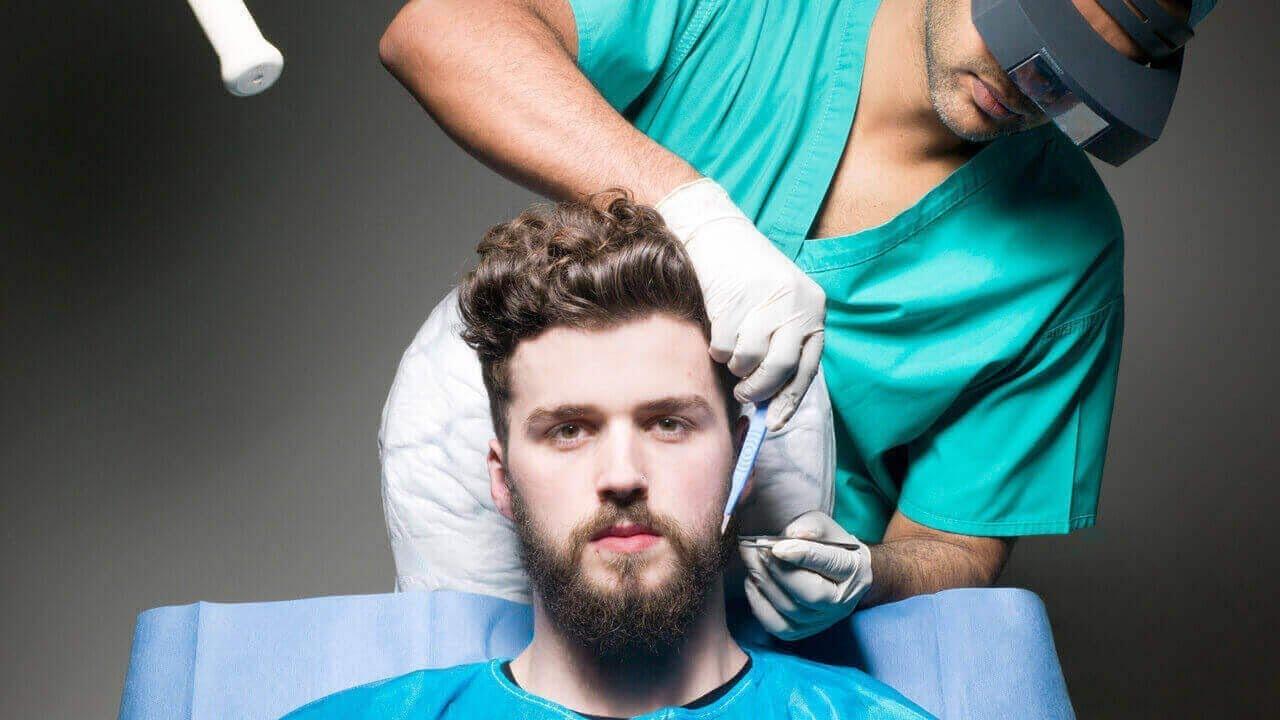
Beard hair plays a significant role in defining facial aesthetics, and many men seek fuller or more uniform facial hair through beard hair transplants. Understanding the differences between natural and transplanted beard hair is essential for setting realistic expectations and ensuring satisfaction with the results. While transplanted hair can provide permanent, natural-looking results, there are subtle distinctions in growth patterns, texture, and care that patients should know. Beard hair transplant in Riyadh has become a popular solution for men seeking fuller, well-defined facial hair and a confidence boost.
1. Source and Characteristics of Hair
Natural beard hair grows directly from follicles in the facial skin, shaped by genetics, hormones, and individual physiology. These hairs are usually coarser than scalp hair, with a unique growth angle and curl pattern that contributes to the characteristic texture of a beard. The thickness, color, and density of natural beard hair vary across individuals and even within different areas of the face.
Transplanted beard hair, on the other hand, is typically harvested from the scalp or sometimes body hair, such as chest hair. Scalp hair is generally finer and straighter than facial hair, which means that during the first few months after transplantation, the newly implanted hairs may feel and appear slightly different from existing beard hair. Skilled surgeons carefully angle and position each follicle to mimic natural growth patterns, but minor differences in texture and direction can occur initially.
2. Growth Cycle Differences
Natural beard hair grows according to a specific cycle: the anagen (growth), catagen (transitional), and telogen (resting) phases. Facial hair typically has a slower and longer anagen phase than scalp hair, which is why beards may grow unevenly or in patchy areas in some men. Transplanted hairs, particularly if taken from the scalp, initially retain the growth characteristics of the donor area. This means that scalp hair transplanted to the face may initially grow faster, thinner, or straighter than native beard hair.
Over time, however, transplanted follicles adapt to the new environment, and the hairs begin to behave more like natural beard hair. The final result, usually achieved between 8 and 12 months post-transplant, is a uniform, permanent beard that blends seamlessly with existing facial hair.
3. Appearance and Density
Natural beard hair often grows in a slightly irregular pattern, which contributes to a masculine and natural look. Density varies across different facial zones, with cheeks and sideburns sometimes appearing sparser than the chin or mustache area.
Transplanted beard hair can be designed to achieve even density and coverage in areas that are naturally patchy or thin. Surgeons carefully plan the placement and spacing of each follicle to ensure a natural appearance. While the goal is to replicate natural beard growth, patients should understand that immediate post-procedure density may be lower due to initial shedding, and the final density develops gradually over several months.
4. Texture and Feel
One key difference between natural and transplanted beard hair is texture, especially in the early months after the procedure. Transplanted hairs from the scalp may feel softer and finer initially, and they may not curl or angle exactly like natural facial hair. Over time, however, the transplanted follicles acclimate to the facial skin environment. Hair shafts thicken, darken, and often take on a more natural beard texture, especially if the donor hair was carefully selected and expertly implanted.
5. Maintenance and Grooming
Once fully grown, transplanted beard hair requires the same grooming and care as natural beard hair. This includes trimming, shaving, and styling as desired. Patients may notice that transplanted hairs grow slightly differently, requiring minor adjustments in trimming to match the existing beard. However, there are no special maintenance requirements, and transplanted hair is permanent, resisting the patchiness or slow growth that may affect natural beard follicles.
6. Potential Differences to Expect
While the final appearance of transplanted beard hair is generally very natural, patients should be aware of some minor differences:
- Growth direction: Initial hair growth may not perfectly match the angle of natural beard hair but usually corrects over time.
- Color and thickness: Slight variation in hair color or thickness can occur if the donor hair differs from native beard hair.
- Shedding phase: Transplanted hairs undergo an initial shedding phase that natural beard hair does not, which may temporarily make the beard appear thinner.
7. Long-Term Outlook
The long-term outcomes of transplanted beard hair are highly favorable. Once established, transplanted follicles behave like natural beard hair, providing permanent coverage in previously sparse areas. With proper grooming and care, transplanted hair can fully integrate with natural beard hair, achieving a consistent and aesthetically pleasing appearance.
Conclusion
Natural and transplanted beard hair are similar in function and appearance, but subtle differences exist in texture, growth cycle, and initial density. Understanding these distinctions helps patients set realistic expectations for the timeline and results of a beard transplant. While transplanted hair may initially feel softer, grow at a slightly different angle, or shed before regrowth begins, skilled surgical techniques ensure that the final outcome closely resembles natural facial hair. With patience and proper care, a transplanted beard can provide permanent, natural-looking results that enhance facial aesthetics and boost confidence.

 Arabic
 French
 Spanish
 Portuguese
 Deutsch
 Turkish
 Dutch
Dutch
 Italiano
 Russian
 Romaian
 Portuguese (Brazil)
 Greek
Greek