


Plastic waste has become one of the most pressing environmental concerns worldwide. As people try to make more eco-friendly choices, a common question arises in households everywhere: can Ziploc bags be recycled? These convenient storage bags are widely used for food preservation and organization, but their disposal can be confusing.
This comprehensive guide explains whether Ziploc bags can be recycled, why it’s complicated, and what you can do to reduce their environmental impact.
What Are Ziploc Bags Made Of?
To answer the question can Ziploc bags be recycled, it’s important to understand their material. Ziploc bags are typically made from polyethylene plastic, specifically low-density polyethylene (LDPE). This material is flexible, lightweight, and durable, making it ideal for food storage.
Technically, polyethylene is recyclable. However, recyclability depends not only on the material but also on how recycling systems are designed.
Why Aren’t Ziploc Bags Accepted in Curbside Recycling?
The simple answer to can Ziploc bags be recycled is: not usually in curbside recycling programs.
The reason lies in how recycling facilities operate. Most facilities are designed to process rigid plastics such as bottles and containers. Thin plastic films like Ziploc bags can:
- Get tangled in sorting machinery
- Damage equipment
- Slow down processing
- Increase operational costs
Because of these issues, recycling centers often instruct residents to keep plastic bags out of their regular recycling bins.
Can Ziploc Bags Be Recycled Anywhere?
Although curbside recycling is not an option in most areas, the answer to can Ziploc bags be recycled is not entirely negative. Many regions offer alternative recycling methods.
Store Drop-Off Programs
Many grocery stores and retail chains provide bins for plastic film recycling. These programs typically accept:
- Plastic grocery bags
- Bread bags
- Dry cleaning bags
- Ziploc and other food storage bags
Before recycling, the bags must be:
- Clean
- Dry
- Free of food residue
These collected materials are often recycled into products like composite lumber, decking, and outdoor furniture.
The Importance of Cleaning Before Recycling
When asking can Ziploc bags be recycled, one critical factor is cleanliness. Dirty bags can contaminate recycling streams, making them unusable.
To prepare Ziploc bags for recycling:
- Wash them with warm water and mild soap
- Remove all food residue
- Let them dry completely
Proper preparation increases the chances of successful recycling.
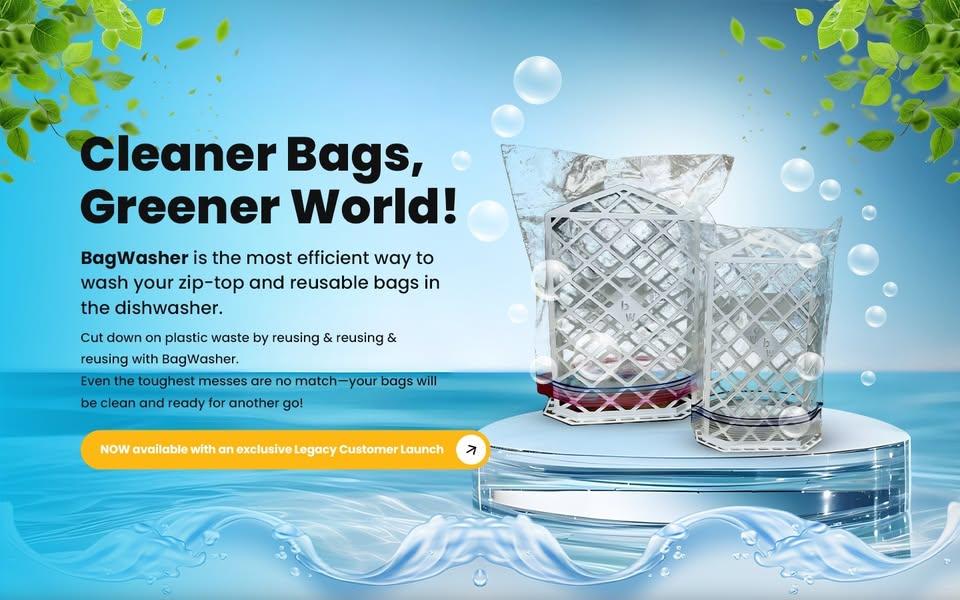
Reusing Ziploc Bags: A Practical Solution
Since recycling options are limited, reusing is often the best answer to can Ziploc bags be recycled.
Benefits of Reusing
- Reduces waste
- Saves money
- Extends product life
- Minimizes environmental impact
Safe Reuse Tips
- Wash after each use
- Avoid reusing bags that held raw meat
- Inspect for damage
- Use for dry foods or non-food items
Reusing bags multiple times can significantly reduce plastic consumption.
Environmental Impact of Ziploc Bags
Understanding can Ziploc bags be recycled also requires examining their environmental effects.
Challenges
- Non-biodegradable
- Long decomposition time
- Contribution to ocean pollution
- Risk to wildlife
Positive Actions
- Reuse bags
- Recycle through proper channels
- Reduce overall plastic use
Alternatives to Ziploc Bags
For those seeking sustainable options, several alternatives are available:
1. Silicone Bags
- Durable and reusable
- Dishwasher safe
- Long-lasting
2. Glass Containers
- Fully recyclable
- Ideal for food storage
3. Stainless Steel Containers
- Durable and eco-friendly
4. Cloth Storage Bags
- Suitable for dry items
- Washable and reusable
These alternatives help reduce reliance on plastic products.
Common Misconceptions
“All Plastics Can Be Recycled Easily”
Not all plastics are accepted in every recycling program.
“Recycling Symbols Guarantee Acceptance”
Symbols indicate material type, not local recyclability.
“Throwing Bags in Recycling Helps”
Incorrect disposal can harm the recycling process.
How to Dispose of Ziploc Bags Responsibly
If recycling is not available, consider these options:
- Reuse as much as possible
- Repurpose for storage or organization
- Dispose of properly when worn out
Responsible disposal helps minimize environmental harm.
How Often Should Ziploc Bags Be Replaced?
The lifespan of a Ziploc bag depends on usage. Bags used for dry items can last longer, while those used for greasy or raw foods may need to be discarded sooner.
Replacing bags only when necessary reduces waste.
The Role of Consumer Awareness
The question can Ziploc bags be recycled highlights the importance of consumer awareness. Understanding how products are used and disposed of helps people make better choices.
Simple habits like cleaning, reusing, and proper disposal can make a significant difference.
Future of Plastic Recycling
Advancements in recycling technology may improve the recyclability of plastic films:
- Better sorting systems
- Advanced recycling methods
- Increased acceptance of flexible plastics
These innovations could change how Ziploc bags are handled in the future.
Tips for Reducing Plastic Waste
- Use reusable containers
- Avoid unnecessary plastic use
- Support eco-friendly products
- Educate others about recycling
Community Efforts and Awareness
Communities play a key role in sustainability:
- Promote recycling programs
- Encourage responsible habits
- Provide education on waste management
Collective efforts can lead to meaningful change.
Conclusion
So, can Ziploc bags be recycled? The answer is yes—but with limitations. While they are made from recyclable materials, they are not typically accepted in curbside recycling programs due to their thin plastic structure. However, many can be recycled through store drop-off programs if they are clean and dry.
The most effective approach is to reuse Ziploc bags as much as possible and explore sustainable alternatives when feasible. By making informed choices, individuals can reduce plastic waste and contribute to a healthier environment.
Small changes in daily habits can have a big impact. Understanding can Ziploc bags be recycled is just one step toward a more sustainable future.

 English
 Arabic
 French
 Spanish
 Portuguese
 Deutsch
 Turkish
 Italiano
 Russian
 Romaian
 Portuguese (Brazil)
 Greek
Greek