


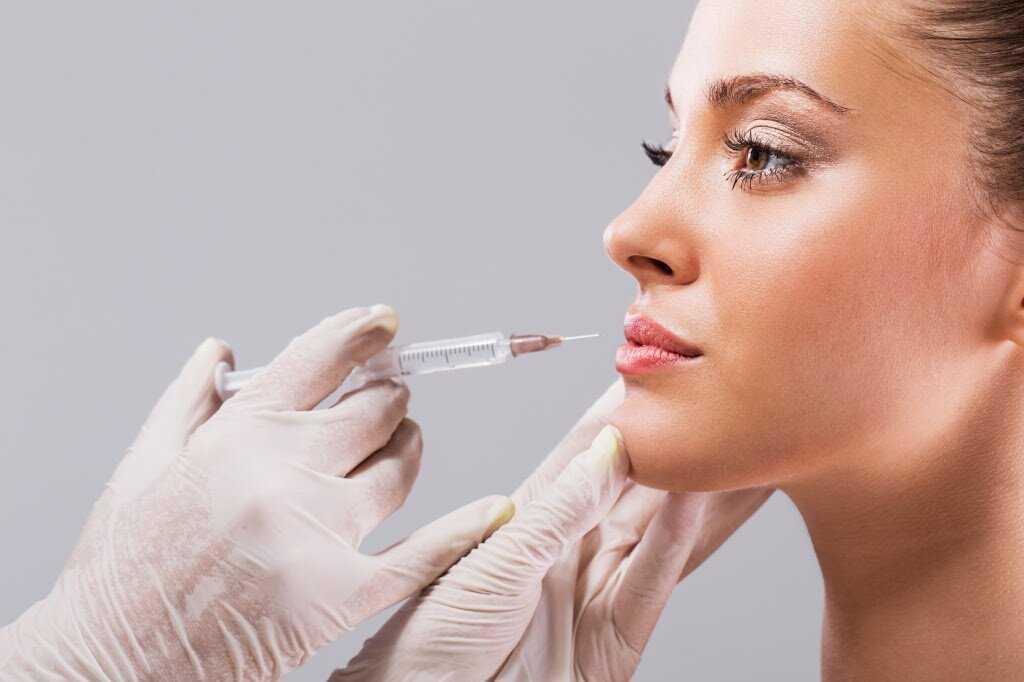
Swelling and bruising are among the most common side effects following dermal filler treatments. While generally mild and temporary, they can cause discomfort, affect appearance, and sometimes lead to anxiety for patients who are eager to see their final results. Understanding why swelling and bruising occur, how to manage them effectively, and which precautions to take can help patients recover quickly and achieve optimal results. Proper post-treatment care not only enhances comfort but also ensures the longevity and smoothness of the filler results. If you’re looking to enhance facial features safely and effectively, dermal fillers in Riyadh offer a non-surgical solution for youthful, natural-looking results.
Swelling occurs because dermal fillers involve injections beneath the skin. The body reacts to these injections with a mild inflammatory response, which increases blood flow and fluid accumulation in the treated area. Hyaluronic acid (HA) fillers, for example, attract water, which naturally adds to temporary swelling. Certain areas of the face, such as the lips and under the eyes, are particularly prone to swelling because of their thin skin and rich vascular network. Swelling usually peaks within 24 to 48 hours after treatment and gradually subsides over several days, although in some cases it can last up to a week.
Bruising occurs when small blood vessels are punctured during the injection process. Even with careful technique, minor bleeding under the skin can result in a visible bruise. Factors such as thin skin, sensitive vascular tissue, or the use of blood-thinning medications or supplements can increase the likelihood of bruising. While bruises are generally harmless, they can be aesthetically disruptive, particularly for treatments in highly visible areas like the lips, cheeks, or under the eyes.
Managing swelling and bruising begins with pre-treatment precautions. Patients are advised to avoid medications or supplements that thin the blood, such as aspirin, nonsteroidal anti-inflammatory drugs (NSAIDs), and certain herbal supplements, for a few days before the procedure. Alcohol should also be avoided, as it can increase the risk of bruising. Patients with a history of excessive bruising should inform their practitioner, who may use gentler techniques or modify the treatment plan to minimize risk.
Immediately after the procedure, cold compresses can help reduce swelling. Applying a clean, cold cloth or ice pack to the treated area for 10 to 15 minutes at a time can constrict blood vessels and limit fluid accumulation. It is important not to apply extreme cold directly to the skin or leave ice in place for prolonged periods, as this can damage tissue. Cold therapy is most effective in the first 24 hours post-treatment, after which swelling naturally begins to subside.
Elevation and gentle care also aid in managing swelling. Keeping the head slightly elevated, especially when sleeping, can reduce fluid retention in the face. Patients should avoid vigorous physical activity, heavy lifting, or bending over for the first 24 to 48 hours, as these actions can increase blood flow and worsen swelling or bruising. Similarly, direct pressure, massage, or rubbing of the treated area should be avoided unless specifically instructed by the practitioner, as this can displace filler or exacerbate bruising.
Topical treatments can further support recovery. Arnica and bromelain, natural anti-inflammatory supplements, are often recommended to reduce bruising and swelling. Over-the-counter anti-inflammatory creams or gels may also provide relief, but patients should check with their practitioner before applying any product to avoid reactions or interference with filler stability.
Hydration and nutrition play a supportive role in healing. Drinking plenty of water helps reduce fluid retention and promotes tissue recovery, while consuming a diet rich in vitamins C and K can support vascular health and skin healing. Avoiding excessive salt intake in the first few days post-treatment can also help limit swelling.
Monitoring for unusual symptoms is crucial. While mild swelling and bruising are normal, severe pain, sudden discoloration, or persistent swelling beyond one week may indicate complications such as vascular compromise or infection. Immediate consultation with the treating practitioner is essential in these rare cases to ensure prompt intervention.
Finally, patience and proper timing are important. Most swelling and bruising resolve within a few days to a week, and the final results of filler treatments are typically visible after this period. Practitioners often schedule follow-up appointments to assess the treated areas, make minor adjustments if necessary, and provide reassurance regarding the normal healing process.
In summary, swelling and bruising are normal, expected responses after dermal filler injections. Effective management involves pre-treatment precautions, immediate post-treatment care such as cold compresses and elevation, gentle handling of the treated area, topical and nutritional support, and careful monitoring for unusual symptoms. By following these strategies and maintaining open communication with a qualified practitioner, patients can minimize discomfort, reduce the duration of visible side effects, and enjoy smooth, natural-looking results. Proper aftercare not only enhances recovery but also supports the longevity and aesthetic success of dermal filler treatments.

 English
 Arabic
 French
 Spanish
 Portuguese
 Deutsch
 Turkish
 Dutch
Dutch
 Russian
 Romaian
 Portuguese (Brazil)
 Greek
Greek