


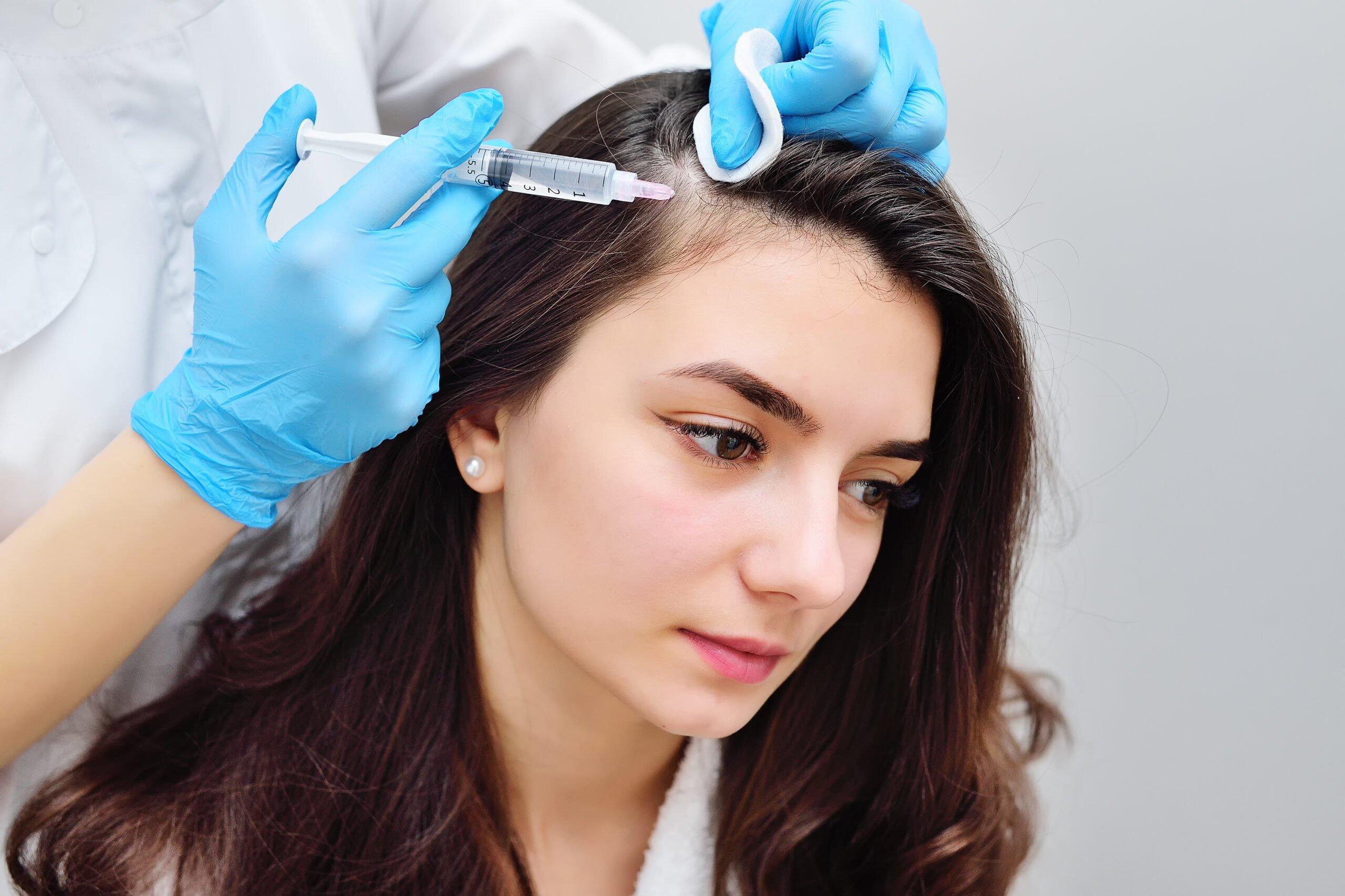
Stress-related hair loss, also known as telogen effluvium, is a common condition in which physical or emotional stress causes hair follicles to prematurely enter the resting phase (telogen) of the hair growth cycle. This results in diffuse shedding, thinning, and a noticeable reduction in hair volume. While telogen effluvium is often temporary and hair may regrow naturally once the underlying stressor is addressed, many individuals seek treatments like PRP (Platelet-Rich Plasma) therapy to accelerate recovery, improve hair thickness, and restore confidence. PRP has emerged as an effective option for managing stress-related hair loss due to its regenerative properties and ability to stimulate dormant hair follicles. PRP hair treatment in Riyadh is becoming a popular solution for people seeking natural and effective hair restoration.
Understanding Stress-Related Hair Loss
Telogen effluvium occurs when hair follicles prematurely exit the active growth phase (anagen) and enter the resting phase. Normally, about 85–90% of scalp hairs are in the anagen phase at any given time. Stress, whether physical (illness, surgery, extreme weight loss) or emotional (trauma, prolonged anxiety), can disrupt this balance. As a result, a larger proportion of hair enters the shedding phase simultaneously, leading to noticeable thinning across the scalp rather than localized bald patches.
Stress-related hair loss can appear suddenly, often two to three months after a triggering event. Although the condition is typically reversible, the slow pace of natural regrowth can be frustrating for patients, motivating them to explore therapies that accelerate hair restoration.
How PRP Works for Stress-Related Hair Loss
PRP therapy involves drawing a small amount of the patient’s blood, processing it in a centrifuge to concentrate platelets, and injecting the platelet-rich plasma into the scalp. The platelets contain growth factors and signaling proteins that stimulate cellular repair, improve blood circulation, and activate dormant or weakened hair follicles. These mechanisms directly target the hair growth cycle, encouraging follicles that have entered the resting phase due to stress to re-enter the active growth phase.
For stress-induced hair loss, PRP primarily accelerates the natural recovery process. By providing concentrated growth factors to the scalp, PRP helps follicles resume normal activity faster than they would without intervention. In addition, PRP improves the overall health of the scalp, reduces inflammation, and strengthens hair shafts, which collectively support healthier, more resilient hair.
Treatment Protocol for Stress-Related Hair Loss
PRP therapy for telogen effluvium typically involves multiple sessions spaced four to six weeks apart. Most patients undergo three to four sessions initially, followed by maintenance treatments every four to six months, depending on individual response. Each session generally lasts 45–60 minutes, with minimal discomfort due to topical anesthetics or local numbing.
Before treatment, a comprehensive assessment is performed to confirm that the hair loss is indeed stress-related and not due to underlying medical conditions such as hormonal imbalances, thyroid disorders, or nutritional deficiencies. Addressing these contributing factors alongside PRP therapy enhances effectiveness and reduces the likelihood of continued hair shedding.
Expected Results
PRP results for stress-related hair loss are gradual, as the hair growth cycle itself takes time. Patients often notice a reduction in shedding within the first few weeks after treatment, as follicles stabilize and remain in the growth phase. New hair growth may begin to appear after two to three months, with visible improvements in hair thickness and density typically observed around six months. Full benefits are usually seen after completing the recommended series of sessions.
PRP is particularly effective for individuals whose hair follicles are still viable but have temporarily slowed or stopped growing due to stress. It is less effective in cases where follicles are permanently damaged or where hair loss is caused by other medical conditions.
Advantages of PRP for Stress-Related Hair Loss
One of the key benefits of PRP is that it is non-surgical and uses the patient’s own blood, which minimizes the risk of allergic reactions or complications. It is a safe option for women and men alike and can be combined with other treatments, such as topical minoxidil or nutritional supplementation, to further support hair recovery.
PRP also addresses the underlying follicle health rather than merely covering thinning areas. By enhancing blood supply, stimulating follicle activity, and reducing scalp inflammation, PRP creates a favorable environment for sustained hair growth, even after the stressor has passed.
Considerations and Limitations
While PRP is effective for accelerating recovery from stress-related hair loss, it is not a quick fix. Hair growth is inherently slow, and multiple sessions are required to achieve optimal results. Additionally, maintaining a healthy lifestyle, managing stress, and addressing nutritional deficiencies are essential for long-term improvement. PRP works best when the primary stressor is under control, as ongoing stress can continue to disrupt the hair growth cycle.
Patients should also have realistic expectations. PRP strengthens existing hair and stimulates follicles that are temporarily dormant, but it does not create new hair follicles in areas where they are absent.
Conclusion
PRP therapy is a highly effective option for managing stress-related hair loss by accelerating follicle recovery, reducing shedding, and promoting thicker, healthier hair. By delivering concentrated growth factors to the scalp, PRP helps hair follicles re-enter the growth phase and strengthens the overall scalp environment. With multiple sessions, proper post-treatment care, and attention to underlying causes of stress, PRP can significantly improve hair density and quality, helping individuals regain confidence and overcome the frustrating effects of telogen effluvium.

 Arabic
 French
 Spanish
 Portuguese
 Deutsch
 Turkish
 Dutch
Dutch
 Italiano
 Russian
 Romaian
 Portuguese (Brazil)
 Greek
Greek