


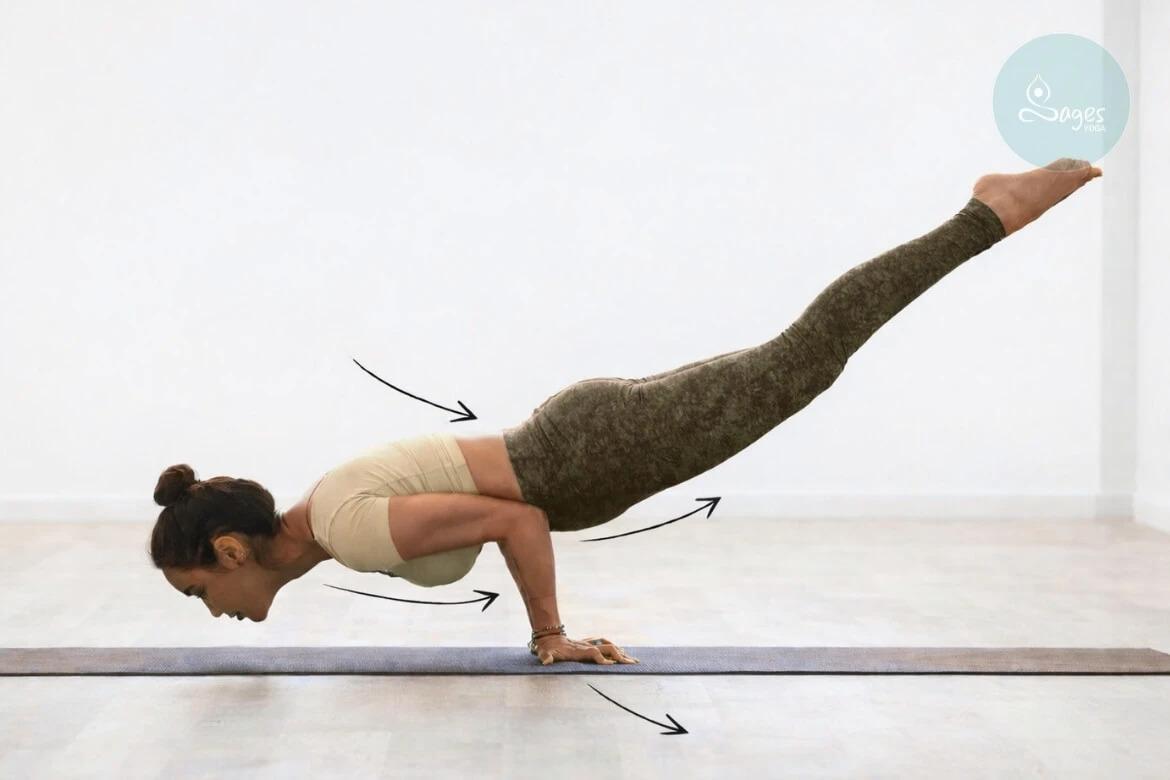
Padma mayurasana is one of the most advanced and visually striking yoga postures, combining strength, balance, and flexibility into a single powerful asana. This pose is a variation of Mayurasana (peacock pose), where the legs are placed in Padmasana (lotus pose), creating a unique and challenging arm balance. Practicing padma mayurasana not only enhances physical strength but also deepens mental focus and control.
In this comprehensive guide, we will explore everything about padma mayurasana, including its benefits, step-by-step instructions, preparation, variations, precautions, and tips to help you master it safely.
What is Padma Mayurasana?
Padma mayurasana is derived from three Sanskrit words: padma (lotus), mayura (peacock), and asana (pose). In this posture, the practitioner balances the body on the hands while the legs are folded in the lotus position. The elbows press into the abdomen, supporting the body and activating the core.
Padma mayurasana is considered an advanced yoga pose because it requires a combination of strong arms, a stable core, and flexible hips. It is often practiced by experienced yogis who have already mastered the basic peacock pose.
Benefits of Padma Mayurasana
Practicing padma mayurasana offers a wide range of physical and mental benefits.
1. Builds Exceptional Upper Body Strength
Padma mayurasana places the entire body weight on the hands, strengthening the wrists, forearms, elbows, shoulders, and chest. It improves endurance and stability in the upper body.
2. Enhances Core Stability
The core muscles play a crucial role in maintaining balance. Regular practice of padma mayurasana helps tone and strengthen the abdominal region.
3. Improves Digestion
The pressure of the elbows on the abdomen stimulates internal organs such as the stomach and liver. This helps improve digestion and supports detoxification.
4. Increases Flexibility
Since the legs are in lotus position, padma mayurasana also improves flexibility in the hips, knees, and ankles.
5. Boosts Balance and Coordination
Balancing the body in this compact posture enhances coordination, body awareness, and control.
6. Enhances Mental Focus
Holding padma mayurasana requires deep concentration, which helps calm the mind and improve mental clarity.
7. Promotes Detoxification
This pose is often associated with cleansing the body by stimulating internal organs and improving circulation.
How to Do Padma Mayurasana: Step-by-Step Instructions
Follow these steps carefully to practice padma mayurasana safely.
Step 1: Sit in Lotus Pose
Begin by sitting comfortably and bringing your legs into Padmasana (lotus pose). Ensure that both feet are placed on opposite thighs.
Step 2: Place Your Hands on the Floor
Lean forward and place your palms on the ground close to your body. Your fingers should point backward toward your feet.
Step 3: Position Your Elbows
Bend your elbows and press them firmly into your abdomen, near the navel. This is essential for maintaining balance in padma mayurasana.
Step 4: Shift Your Weight Forward
Slowly lean forward, transferring your body weight onto your hands. Keep your gaze slightly forward to maintain balance.
Step 5: Lift Your Body
Gently lift your legs and torso off the ground while keeping the lotus position intact. Your body should be balanced horizontally.
Step 6: Hold the Pose
Hold padma mayurasana for a few seconds while breathing steadily. Engage your core and keep your body stable.
Step 7: Release the Pose
Slowly lower your body back to the ground and relax.
Preparatory Poses for Padma Mayurasana
Before attempting padma mayurasana, it is important to prepare your body with these poses:
-
Mayurasana (Peacock Pose)
-
Padmasana (Lotus Pose)
-
Crow Pose (Bakasana)
-
Plank Pose
-
Chaturanga Dandasana
These poses help build the strength and flexibility needed for padma mayurasana.
Tips for Beginners
Even though padma mayurasana is an advanced pose, these tips can help you progress:
-
Master the basic peacock pose first
-
Work on hip flexibility for lotus position
-
Strengthen your wrists and arms regularly
-
Use a soft surface for practice
-
Engage your core muscles for better balance
Patience and consistent practice are key to mastering padma mayurasana.
Common Mistakes to Avoid
Avoid these mistakes while practicing padma mayurasana:
1. Forcing the Lotus Position
Never force your legs into lotus position if your hips are not flexible enough.
2. Incorrect Elbow Placement
Elbows should be firmly pressed into the abdomen for stability.
3. Lack of Core Engagement
A weak core can make balancing difficult.
4. Holding Breath
Always maintain steady breathing throughout the pose.
5. Rushing the Process
Take your time to build strength and flexibility gradually.
Variations of Padma Mayurasana
You can explore these variations as you advance:
1. Half Lotus Peacock Pose
Practice with one leg in lotus position while the other remains extended.
2. Supported Padma Mayurasana
Use a yoga block or cushion under your chest for support.
3. Dynamic Variation
Slowly lift and lower your body to build strength and control.
Precautions and Contraindications
Padma mayurasana is not suitable for everyone. Avoid this pose if you have:
-
Wrist injuries
-
Knee or hip issues
-
High blood pressure
-
Hernia or abdominal problems
-
Pregnancy
Always consult a yoga instructor before attempting advanced poses like padma mayurasana.
Breathing Technique
Proper breathing enhances stability in padma mayurasana:
-
Inhale deeply before lifting your body
-
Maintain steady breathing while holding the pose
-
Exhale slowly as you release
Breathing helps maintain focus and control.
How Long Should You Hold Padma Mayurasana?
Beginners can start by holding padma mayurasana for 5–10 seconds. With practice, you can gradually increase the duration to 20–30 seconds or longer.
Consistency is more important than duration, so practice regularly.
Mental Benefits of Padma Mayurasana
Padma mayurasana is not just a physical pose; it also benefits the mind:
-
Improves concentration
-
Reduces stress and anxiety
-
Enhances mindfulness
-
Builds discipline and patience
The focus required to balance in this pose helps calm the mind and improve mental clarity.
Challenges and How to Overcome Them
Difficulty in Lotus Position
Practice hip-opening exercises to improve flexibility.
Weak Arm Strength
Incorporate strength-building exercises like push-ups and plank.
Fear of Falling
Practice on a soft surface and use support if needed.
Poor Balance
Focus on engaging your core and maintaining steady breathing.
Conclusion
Padma mayurasana is a powerful and advanced yoga posture that combines strength, flexibility, and balance. While it may seem challenging, consistent practice, proper preparation, and patience can help you master this impressive asana.
By incorporating padma mayurasana into your yoga routine, you can strengthen your body, improve digestion, enhance focus, and boost confidence. Remember to listen to your body, practice safely, and progress gradually.
With dedication and mindful practice, padma mayurasana can become a rewarding and transformative part of your yoga journey.

 English
 Arabic
 French
 Spanish
 Portuguese
 Deutsch
 Turkish
 Dutch
Dutch
 Italiano
 Russian
 Romaian
 Portuguese (Brazil)