


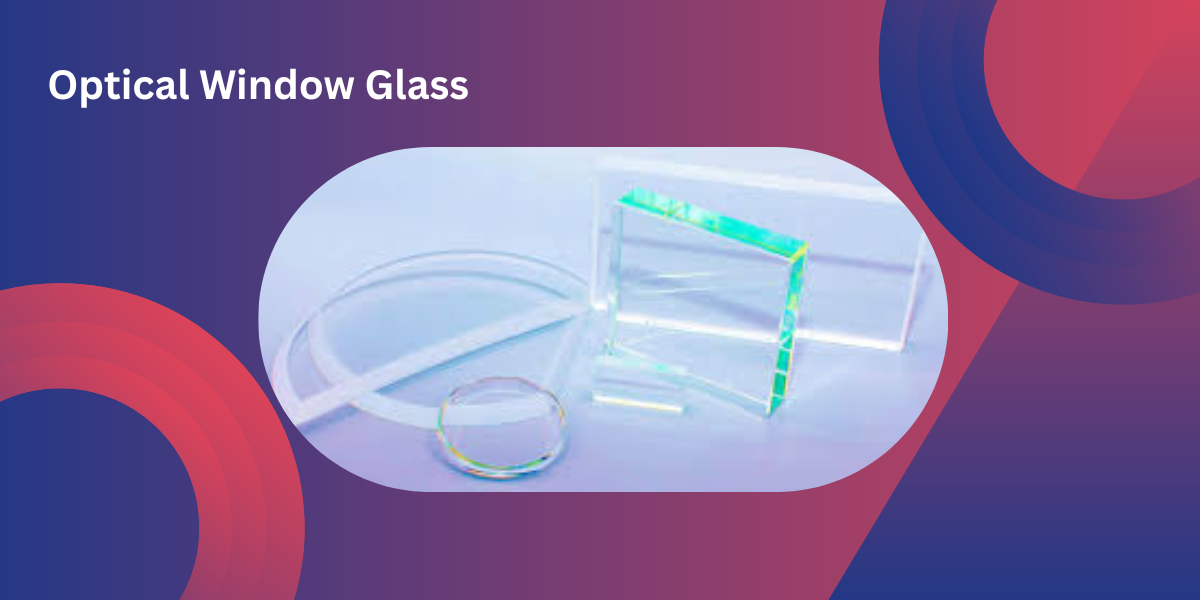
When most people think of window glass, they simply think of something they can see through. However, in the world of modern architecture and optoelectronics, glass is a highly engineered material designed to manage heat, sound, safety, and even digital data. Selecting the right type of glass can mean the difference between a high-energy bill and a perfectly climate-controlled environment.
At ARVR Optical, we apply our deep expertise in precision optics to the world of architectural and specialized glass. This guide breaks down everything you need to know about modern window glass, from basic terminology to the latest smart technologies.
Why Your Choice of Window Glass Matters
The glass in your windows accounts for up to 80% of the window's surface area. Therefore, the "performance" of your window depends almost entirely on the glass technology you choose. Whether you are a homeowner or a commercial developer, your choice of window glass impacts:
-
Thermal Insulation: Keeping heat in during winter and out during summer.
-
UV Protection: Preventing sunlight from fading your furniture and flooring.
-
Acoustics: Reducing outside noise from traffic or neighbors.
-
Safety: Ensuring the glass doesn't shatter into dangerous shards if broken.
Types of Window Glass: Which is Right for You?
Not all glass is created equal. Depending on your specific needs—be it a residential home in a cold climate or a high-rise office—ARVR Optical recommends understanding these core categories:
1. Annealed Glass (Standard)
This is the basic glass used in older windows. While cost-effective, it breaks into large, sharp shards. It is rarely used in modern high-performance builds without further treatment.
2. Tempered Safety Glass
Tempered glass is heat-treated to be up to four times stronger than standard glass. If it does break, it crumbles into small, blunt granules instead of sharp pieces. This is a requirement for large floor-to-ceiling windows and doors.
3. Laminated Glass
Laminated glass consists of two panes of glass bonded together with a thin plastic interlayer (usually PVB). This layer holds the glass together if it breaks and provides the best soundproofing and UV protection available in the window glass market today.
4. Low-E (Low-Emissivity) Glass
This is where ARVR Optical's expertise in coatings comes into play. Low-E glass has a microscopically thin metallic coating that reflects infrared heat. It keeps your home warm in the winter by reflecting heat back inside and cool in the summer by blocking solar heat from entering.
Technical Performance Metrics to Know
When comparing different glass options, you will encounter several technical terms. Understanding these will help you make an expert-level decision:
-
U-Factor: Measures how well the glass prevents heat from escaping. The lower the number, the better the insulation.
-
SHGC (Solar Heat Gain Coefficient): Measures how much solar radiation passes through the glass. In hot climates, you want a low SHGC.
-
Visible Transmittance (VT): How much natural light comes through. High-performance glass from ARVR Optical aims for high VT while maintaining a low SHGC.
| Glass Type | Insulation (U-Factor) | Safety Level | Best Use Case |
| Single Pane | Poor | Low | Traditional/Historic |
| Double Pane (Clear) | Moderate | Medium | Standard Residential |
| Low-E Double Pane | Excellent | High | Energy-Efficient Homes |
| Laminated Safety | Good | Maximum | Soundproofing & Security |
The Move Toward "Smart" Window Glass
As an industry leader in optoelectronics, ARVR Optical is seeing a massive shift toward "Smart Glass" or Electrochromic glass. This technology allows the window glass to change its tint based on an electrical current. With the touch of a button or an automated sensor, the glass can turn from clear to opaque, eliminating the need for blinds and drastically reducing cooling costs for large buildings.
Common Problems and Solutions
We often hear from clients facing specific issues with their current windows. Here is how advanced glass solves them:
-
Problem: "My room is always too hot in the afternoon."
-
Solution: Switch to glass with a high-performance spectrally selective Low-E coating.
-
-
Problem: "I live near a busy street and can't sleep."
-
Solution: Use asymmetrical laminated glass (two panes of different thicknesses) to disrupt sound waves.
-
-
Problem: "I'm worried about break-ins."
-
Solution: Laminated security glass is extremely difficult to penetrate, even with repeated force.
-
Maintenance and Longevity
To ensure your window glass lasts for decades, proper maintenance is key. Avoid using abrasive cleaners that can scratch the delicate Low-E coatings. Instead, use a simple mixture of mild soap and water with a microfiber cloth. ARVR Optical also recommends checking the seals on double-paned units annually; if you see "fogging" between the panes, the seal has failed, and the insulating gas (usually Argon) has escaped.
Conclusion
The world of window glass has evolved far beyond simple transparency. Today, it is a tool for energy conservation, security, and comfort. By choosing high-quality materials and advanced coatings—the kind we specialize in at ARVR Optical—you are making a long-term investment in the value and efficiency of your property.
Whether you are looking for the extreme durability of tempered glass or the high-tech benefits of Low-E coatings, understanding the science behind the pane ensures you get the best performance for your budget.

 English
 Arabic
 Spanish
 Portuguese
 Deutsch
 Turkish
 Dutch
Dutch
 Italiano
 Russian
 Romaian
 Portuguese (Brazil)
 Greek
Greek