


Managing Dorsocervical Fat: Modern Medical Solutions in Riyadh
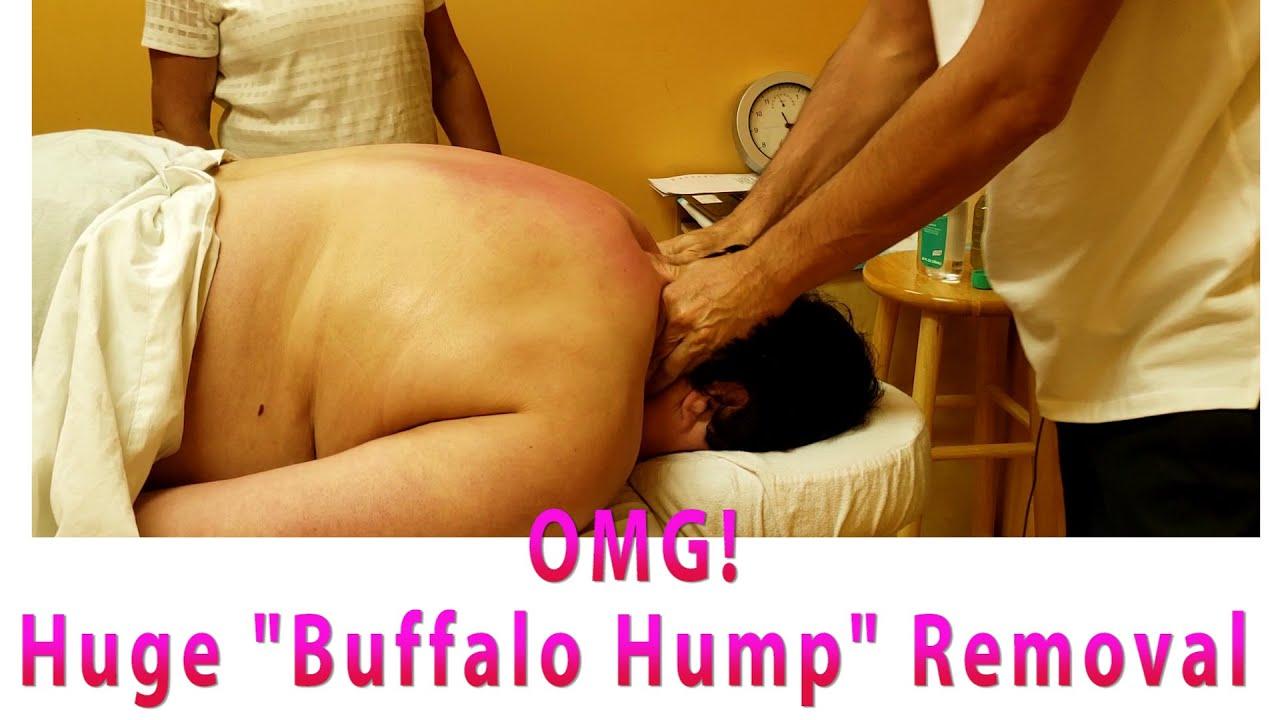
Effectively managing a dorsocervical fat pad—commonly referred to as a "buffalo hump"—requires a multifaceted clinical approach that goes beyond simple reduction. For patients in Riyadh seeking Buffalo Hump Removal in Riyadh, the focus is on utilizing modern medical solutions that safely address the dense, fibrous nature of this specific adipose tissue. By integrating precise diagnostic evaluations with advanced surgical techniques, specialists can help patients alleviate the physical burden of this condition while achieving a refined, natural contour at the base of the neck.
Understanding the Clinical Challenge
Unlike superficial fat deposits that respond to systemic weight loss, a dorsocervical fat pad is often composed of fibrotic, tethered tissue. This density is frequently a response to systemic factors, such as hormonal shifts (e.g., cortisol elevation), genetic predisposition, or the long-term use of specific medications like corticosteroids or antiretroviral treatments.
Because this tissue is "metabolically shielded," modern medical management in Riyadh focuses on mechanical intervention. The goal is to safely disrupt the fibrous architecture of the fat pad, facilitating its removal while preserving the integrity of the surrounding nerves, muscles, and vascular structures of the cervical spine.
Modern Surgical Interventions
Specialists in Riyadh employ a spectrum of modern surgical solutions, selected based on the specific density and volume of the fat pad.
1. Energy-Assisted Liposuction
For many patients, this is the gold standard for achieving a smooth, contoured result with minimal downtime.
-
Technology: Surgeons utilize VASER (ultrasound-assisted) or laser-assisted liposuction.
-
Mechanism: The energy pulses are directed to selectively liquefy the dense, fibrous bands that hold the fat cells together. Once the tissue is broken down, it can be gently aspirated through micro-cannulas.
-
Benefit: This process reduces physical trauma to the neck area and induces thermal energy that encourages the skin to retract tightly, ensuring a smooth, uniform surface that blends naturally into the upper back.
2. Direct Surgical Excision
In cases of severe lipomatosis—where the tissue has matured into a rigid, non-pliable mass—direct surgical removal may be the most medically appropriate path.
-
The Procedure: The surgeon performs a precise incision to remove the mass in its entirety.
-
Aesthetic Planning: Experts focus on placing incisions within the natural skin creases of the neck. This ensures that when the site is closed, the resulting scar is minimal and easily concealed, providing a definitive solution for tissue that is too dense for extraction.
The Diagnostic and Integration Framework
A comprehensive management plan in Riyadh involves more than just surgery; it requires integrating the procedure into the patient's overall health profile.
-
Metabolic Evaluation: If the fat pad is associated with an underlying endocrine condition (e.g., Cushing’s Syndrome), the specialist coordinates care with an endocrinologist. Managing the systemic hormonal environment is essential for preventing the re-accumulation of fat in the region.
-
Postural Re-education: Once the physical bulk of the hump is removed, many patients undergo a period of ergonomic or postural correction. Without the weight of the fat pad pushing the head forward, it is significantly easier for patients to maintain a neutral, healthy spine position, reinforcing the functional benefits of the surgery.
-
Optimized Recovery: Management includes the use of medical-grade compression garments tailored to the irregular anatomy of the upper back. This constant, gentle pressure is the most effective medical tool for preventing fluid buildup (seromas) and promoting perfect skin-to-tissue adhesion as the area heals.
Sustaining Results Through Clinical Partnership
Managing dorsocervical fat is a long-term commitment that thrives on a structured clinical partnership.
-
Ongoing Monitoring: Patients are scheduled for follow-up appointments that assess not just the incision sites, but the texture and elasticity of the surrounding skin. If necessary, non-invasive treatments—such as periodic radiofrequency tightening—can be used to ensure the area remains firm as the patient matures.
-
Proactive Lifestyle Integration: By providing nutritional guidance and activity recommendations that support overall body composition stability, medical teams help ensure that the surgical investment is protected.
By utilizing these modern medical solutions, residents of Riyadh can move past the limitations of a dorsocervical fat pad. This comprehensive approach ensures that the removal is not just an aesthetic upgrade, but a permanent resolution to a concern that impacts structural health, comfort, and confidence. The combination of surgical precision and metabolic management allows patients to reclaim their natural silhouette and enjoy long-term physical well-being.

 English
 Arabic
 French
 Spanish
 Deutsch
 Turkish
 Dutch
Dutch
 Italiano
 Russian
 Romaian
 Portuguese (Brazil)
 Greek
Greek