


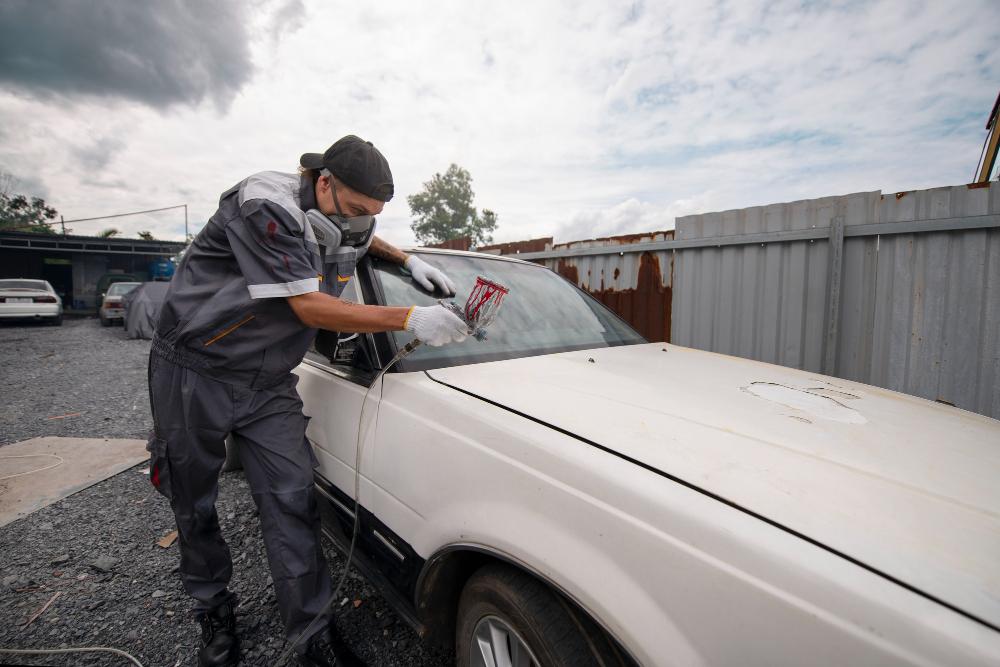
Accidents happen—even minor collisions can leave dents, scratches, or misaligned panels on your vehicle. While cosmetic damage might seem trivial, it can compromise both safety and appearance if left unaddressed. Collision repair is about more than just making your car look good—it ensures structural integrity, maintains functionality, and preserves your vehicle’s value.
Here are essential tips to keep your car safe and stylish after a collision.
1. Act Quickly After a Collision
Prompt attention is crucial to prevent minor damage from escalating. Even small dents or scratches can lead to rust, corrosion, or further paint deterioration over time.
Tip: Document the damage, take clear photos, and schedule an inspection with a certified repair shop as soon as possible.
2. Choose Professional Repairs for Structural Damage
Damage to the frame, suspension, or panels requires expert intervention. Attempting DIY fixes on structural issues can compromise safety and reduce the effectiveness of airbags and other safety systems.
Tip: Look for a shop with advanced frame-straightening equipment and certified technicians to ensure your car is restored to factory specifications.
3. Focus on Paint Quality
A flawless paint finish isn’t just about aesthetics—it protects the metal underneath from rust and corrosion. Proper repair includes surface preparation, color-matched paint, and a clear coat finish.
Tip: Ask your repair shop about computerized color matching and eco-friendly, durable paints for a finish that lasts.
4. Don’t Ignore Minor Scratches and Chips
Even tiny chips or scratches can worsen over time if exposed to moisture or road salt. Addressing them early prevents rust and maintains the vehicle’s appearance.
Tip: Use touch-up paint for small spots or let professionals handle blending for a seamless look.
5. Recalibrate Safety Features
Modern vehicles have sensors, cameras, and advanced safety systems integrated into bumpers, windshields, and panels. Collision repair may require recalibration to ensure these systems function correctly.
Tip: Ensure the repair shop checks and recalibrates all affected sensors after repairs.
6. Protect Your Vehicle Post-Repair
After repairs, proper maintenance helps preserve your car’s style and safety:
-
Wash and wax regularly to protect paint
-
Avoid rough roads or debris immediately after repairs
-
Inspect repairs periodically for signs of wear
Protective coatings like ceramic or nano-finishes can enhance durability and shine.
7. Keep Documentation
Maintaining records of all collision repairs helps with insurance claims and resale value. It also provides a reference if future repairs are needed.
Tip: Save invoices, paint guarantees, and calibration records for your vehicle.
Conclusion
Collision repair isn’t just about fixing dents or scratches—it’s about restoring your car’s safety, structural integrity, and visual appeal. By acting quickly, choosing professional repairs, focusing on paint and finish, recalibrating safety systems, and maintaining your vehicle, you can ensure it stays both safe and stylish for years to come.
Investing in proper repairs today protects your car’s longevity and your peace of mind on the road.

 English
 Arabic
 Spanish
 Portuguese
 Deutsch
 Turkish
 Dutch
Dutch
 Italiano
 Russian
 Romaian
 Portuguese (Brazil)
 Greek
Greek