


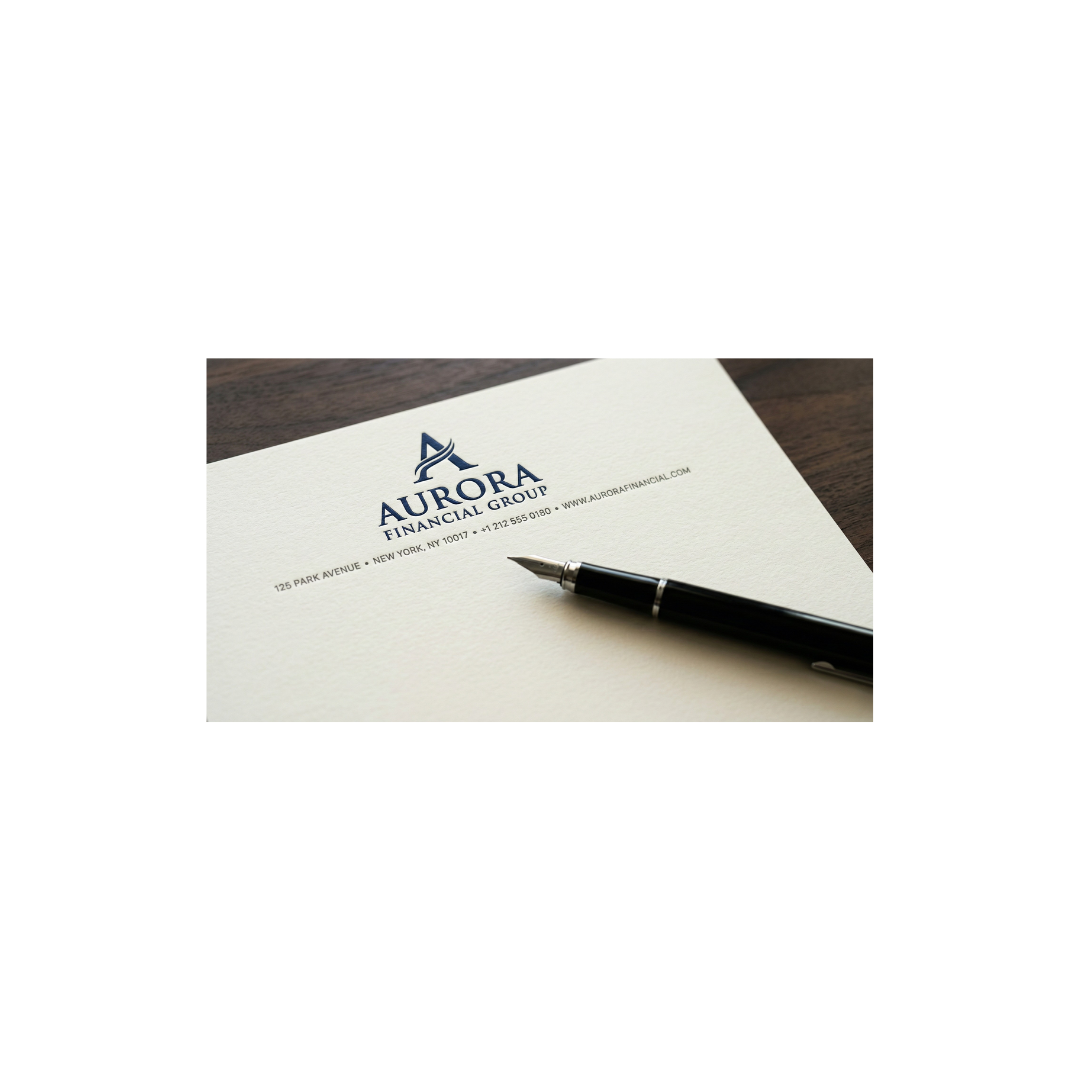
That Sheet of Paper Says More About You Than You Realize
Before anyone reads the content of your letter, they notice the paper. The logo placement, the color scheme, the font, the overall feel. A letterhead is not a decoration. It is a branding tool that shapes how people perceive your business from the very first glance.
Whether it is a proposal, an invoice, or a formal agreement, the letterhead carries your brand into every written interaction. This blog explains why it matters, what goes into a well designed letterhead, and how to make sure yours is working properly.
A Letterhead Is Your Silent Brand Ambassador
Think about how many documents leave your business every week. Contracts, quotations, cover letters, official notices. Each one is an opportunity to reinforce who you are as a company.
A consistent, professionally printed letterhead does three things at once:
-
Builds brand recognition with every document
-
Adds credibility to formal communication
-
Creates consistency across all business touchpoints
When a client receives a proposal on a well designed letterhead, it signals professionalism. When the same client sees matching branding on your business card, your envelope, and your invoice, trust builds through repetition.
What Makes a Good Letterhead Design
Good letterhead design is not about complexity. It is about clarity and alignment with your brand.
Logo placement. Your logo should sit comfortably at the top without dominating the space. Visible but not overwhelming.
Color consistency. Use your brand colors, but remember the letterhead is a background for content. Avoid heavy color blocks that compete with the text.
Typography. Stick to one or two fonts. Use the same typeface that appears on your website and business cards.
Contact details. Phone number, email, website, and physical address should be placed clearly, usually at the bottom or along one side.
White space. A letterhead that feels cramped does the opposite of what you want. The design should frame the message, not crowd it.
Why Cheap Printing Hurts More Than You Think
You can have the best design in the world, but if the print quality is poor, the impression falls flat. Colors that look slightly off, paper that feels flimsy, ink that smudges. These are details that clients and partners notice, even if they do not say anything.
Investing in quality letterhead printing means choosing the right paper weight, the right finish, and accurate color reproduction. Most professional letterheads are printed on 100gsm to 120gsm uncoated stock, which feels substantial without being stiff. Some businesses go for a lightly textured or linen finish to add a tactile element.
The difference between a well printed letterhead and a basic one is felt literally. When someone holds your document and the paper feels good, it quietly reinforces that your business pays attention to the details.
Paper and Finish Options to Consider
Choosing the right paper depends on your brand tone and how the letterhead will be used.
-
Uncoated matte stock works for most professional and corporate applications
-
Linen textured paper adds a subtle premium touch for law firms and consultancies
-
Recycled stock suits brands that prioritize sustainability
-
Glossy coated paper is less common but can work for creative agencies
A reliable letterhead printing provider will let you compare samples before placing a bulk order. At Printery Dubai, we regularly advise clients to request printed samples on different paper types so they can make a confident decision based on look and feel, not just a screen preview.
Printed Letterhead vs Digital Templates
Both have a place in modern business. But they are not interchangeable.
Printed letterheads are best for formal documents that are physically handed over or mailed. Contracts, proposals, official letters, and welcome packages. The physical quality of the paper adds weight to the message.
Digital letterhead templates work for internal documents, emailed PDFs, and everyday correspondence. Make sure your digital version matches your printed version exactly so there is no disconnect between screen and paper.
Keeping Your Letterhead Consistent Across the Organization
One common problem in growing businesses is inconsistency. Different departments use slightly different versions. Old templates with outdated logos stay in circulation. Someone adjusts the layout and the proportions fall apart.
Set a standard. Lock the template. Distribute it through a central system so everyone uses the same file. When reordering letterhead printing, use the same specifications every time to maintain uniformity.
Brand consistency is built through repetition of small details, and your letterhead is one of the most frequently repeated brand elements in any business.
Wrapping It Up
A letterhead is not an afterthought. It is a front line branding asset that shows up in nearly every business interaction. Getting the design right, choosing the right paper, and maintaining consistency across print and digital formats are small steps that create a real difference in how your business is perceived. Treat it with the same care you give to your logo or your website, because your clients certainly notice.
Frequently Asked Questions
Q.1 What information should be included on a business letterhead?
Your logo, company name, phone number, email address, website, and physical address. Some businesses also include registration numbers or taglines depending on industry requirements.
Q.2 What paper weight is best for letterhead printing?
Most professional letterheads use 100gsm to 120gsm stock. This provides a solid feel without being too thick for standard office use.
Q.3 Should my digital and printed letterhead look the same?
Yes. Consistency between printed and digital versions is important for brand recognition. Use the same layout, fonts, colors, and logo placement across both.
Q.4 How many letterheads should I order at a time?
Most small to mid sized businesses order in batches of 250 to 1000. Ordering in bulk typically reduces the per unit cost.
Q.5 Can I print letterheads on both sides of the paper?
You can, but most businesses keep the back blank. Printing on both sides can interfere with content that will be printed or written on the page later.

 English
 Arabic
 Spanish
 Portuguese
 Deutsch
 Turkish
 Dutch
Dutch
 Italiano
 Russian
 Romaian
 Portuguese (Brazil)
 Greek
Greek