


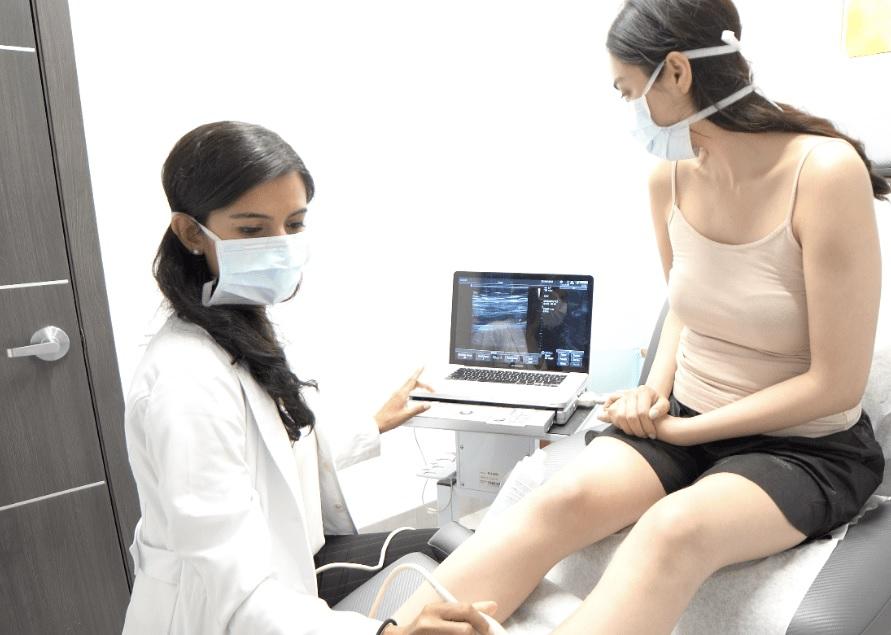
If you are searching for vein treatment near me, you’ve probably come across various options for treating varicose veins and spider veins. Understanding the recovery process is just as important as choosing the right procedure. In this article, we’ll explore what to expect after vein treatments, who can treat varicose veins, and how to ensure a smooth recovery. At Vein Treatment California, our goal is to provide patients with clear guidance so you can return to your daily activities safely.
What Type of Doctor Treats Varicose Veins?
Before diving into recovery timelines, it’s essential to know what type of doctor treats varicose veins. Vein issues are typically managed by specialists called phlebologists or vascular surgeons. These doctors are trained to diagnose, treat, and manage both cosmetic and medical vein concerns. At Vein Treatment California, our team includes board-certified physicians who specialize in minimally invasive procedures for vein care.
Other medical professionals, such as dermatologists and interventional radiologists, may also offer treatments, especially for cosmetic concerns. When searching for vein treatment near me, make sure the clinic employs qualified specialists to ensure safe and effective care.
How Long Does Recovery Take After Vein Treatment?
The recovery period varies depending on the type of procedure performed. Here’s a breakdown of common treatments and what you can expect:
1. Sclerotherapy
Sclerotherapy is often used for spider veins and smaller varicose veins. During this procedure, a solution is injected into the vein, causing it to collapse and eventually fade.
- Recovery timeline: Most patients return to normal activities immediately, but wearing compression stockings for 1–2 weeks is recommended.
- Follow-up care: Avoid strenuous activity for a few days. Walking regularly helps blood flow and reduces clot risk.
2. Endovenous Laser Therapy (EVLT)
Endovenous laser therapy is a minimally invasive procedure for larger varicose veins. A laser fiber is inserted into the vein to close it off.
- Recovery timeline: Patients can usually walk immediately after treatment. Minor bruising, swelling, or discomfort may last 1–2 weeks. Full healing typically occurs within 2–4 weeks.
- Follow-up care: Compression stockings are required for up to 2 weeks, and you should avoid heavy exercise for the first week.
3. Radiofrequency Ablation
Radiofrequency ablation (RFA) uses heat to close off problematic veins. This procedure is similar to EVLT but uses radiofrequency energy instead of a laser.
- Recovery timeline: Most people can resume normal activities within 1–2 days. Bruising or tenderness can last 1–3 weeks.
- Follow-up care: Light walking is encouraged immediately, while heavy exercise should be avoided for 1 week.
4. Vein Stripping and Ligation
This traditional surgical approach involves removing larger varicose veins through small incisions. While effective, it has a longer recovery compared to minimally invasive options.
- Recovery timeline: Patients may need 2–4 weeks before returning to regular activities, and sometimes longer for vigorous exercise.
- Follow-up care: Compression stockings and pain management are essential. Walking is recommended to reduce the risk of blood clots.
What Factors Affect Recovery After Vein Treatment?
Several factors influence how long recovery takes, including:
- Procedure type: Minimally invasive treatments typically require less downtime than surgical procedures.
- Vein size and location: Larger or deeper veins may take longer to heal.
- Age and overall health: Younger, healthier patients often recover faster.
- Lifestyle factors: Smoking, obesity, and inactivity can slow recovery.
- Compliance with post-procedure instructions: Wearing compression stockings and avoiding strenuous activity significantly improves healing.
Tips for a Smooth Recovery After Vein Treatment
Recovering quickly and safely requires following your doctor’s recommendations. Here are some tips:
- Wear compression stockings as directed. These support blood flow and reduce swelling.
- Stay active with light walking. Movement prevents blood clots and encourages healing.
- Avoid heavy exercise and prolonged sitting or standing for the first few weeks.
- Keep the treated area clean and dry to prevent infection.
- Monitor for complications such as excessive swelling, redness, or pain, and contact your doctor if they occur.
How Soon Will I See Results?
Visible results depend on the treatment type and vein severity.
- Sclerotherapy: Spider veins may fade in 3–6 weeks; larger veins may take up to 3 months.
- EVLT and RFA: Treated veins often shrink within 2–6 weeks, with continued improvement over 3 months.
- Vein stripping: Swelling and bruising gradually improve within 4–6 weeks, with noticeable results afterward.
It’s important to remember that new veins may develop over time. Maintaining a healthy lifestyle and following your doctor’s advice can help prevent future issues.
When Can I Return to Work and Exercise?
For most minimally invasive procedures, patients can resume office work the next day. Strenuous exercise should wait 1–2 weeks. Surgical procedures require longer recovery, typically 2–4 weeks for normal activities and up to 6 weeks for high-impact exercises. Your doctor at Vein Treatment California will provide a personalized timeline based on your procedure and overall health.
How to Choose the Right Vein Clinic Near Me
When searching for vein treatment near me, consider the following:
- Specialist qualifications: Ensure the clinic employs board-certified phlebologists, vascular surgeons, or interventional radiologists.
- Treatment options: Look for clinics offering minimally invasive procedures, as they reduce recovery time.
- Patient reviews and testimonials: Positive feedback indicates patient satisfaction and quality care.
- Follow-up care: A good clinic provides clear post-procedure guidance and ongoing support.
Conclusion
Recovery after vein treatment varies depending on the procedure, your overall health, and how closely you follow post-treatment instructions. Minimally invasive options like sclerotherapy, EVLT, and RFA offer faster recovery times, while surgical vein stripping requires more downtime. By working with experienced specialists who understand what type of doctor treats varicose veins, you can achieve safe, effective results with minimal disruption to your daily life.
If you’re looking for vein treatment near me, Vein Treatment California offers expert care, personalized treatment plans, and guidance to help you recover quickly. Whether your goal is cosmetic improvement or relief from painful varicose veins, our team ensures a smooth, safe recovery so you can get back to living comfortably.

 English
 Arabic
 French
 Spanish
 Deutsch
 Turkish
 Dutch
Dutch
 Italiano
 Russian
 Romaian
 Portuguese (Brazil)
 Greek
Greek