


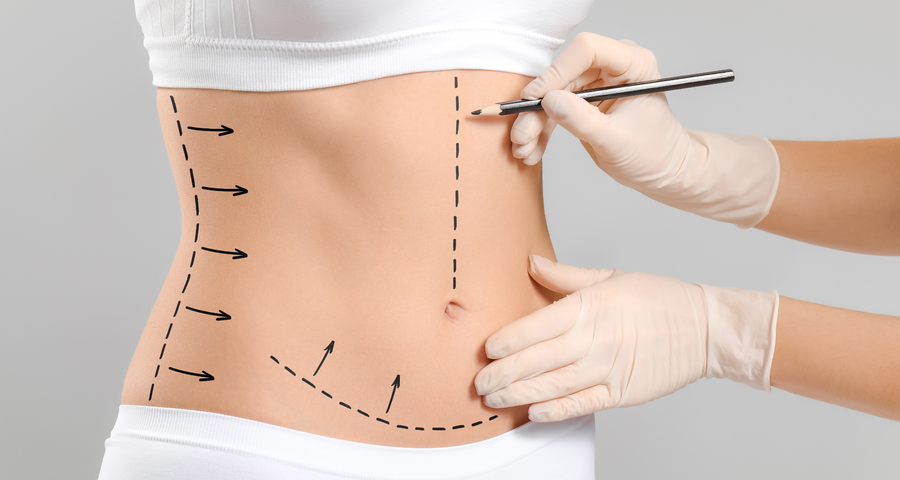
Liposuction is a highly effective body contouring procedure designed to remove stubborn fat deposits and sculpt the body. While the results can be transformative, understanding the recovery timeline is essential for setting realistic expectations. Recovery after liposuction in Riyadh varies depending on the technique used, the number of areas treated, and the individual’s overall health. However, most patients follow a predictable healing pattern that unfolds over several weeks to months. Liposuction surgery in Riyadh is a popular cosmetic procedure for reshaping the body and removing stubborn fat deposits.
Immediately After Surgery (First 24–48 Hours)
Right after liposuction, patients are monitored in a recovery area before being discharged home, often on the same day. It is common to experience swelling, bruising, mild to moderate discomfort, and fluid drainage from the incision sites. Surgeons typically prescribe pain medication and may recommend antibiotics to prevent infection.
A compression garment is placed over the treated area immediately after surgery. This garment plays a critical role in minimizing swelling, supporting healing tissues, and helping the skin conform smoothly to the new contours. During the first 48 hours, rest is essential, but light walking is encouraged to improve circulation and reduce the risk of blood clots.
First Week After Surgery
The first week is generally the most uncomfortable phase of recovery. Swelling and bruising are usually at their peak during this period. Patients may feel soreness similar to an intense workout, along with tightness in the treated areas. However, most discomfort is manageable with prescribed medication.
Drainage from small incisions may continue for a few days, especially if the tumescent technique was used. Keeping the incision sites clean and following all postoperative care instructions is crucial to prevent complications.
Many patients in Riyadh return to light, non-strenuous work within 3 to 7 days, depending on how physically demanding their job is. However, prolonged standing or heavy activity should be avoided during this stage.
Weeks 2 to 3: Noticeable Improvement
By the second and third weeks, bruising begins to fade significantly, and swelling starts to decrease. While the body is still healing internally, patients typically feel much more comfortable and mobile. Most people can resume light exercise, such as walking on a treadmill, after receiving clearance from their surgeon.
The compression garment is usually worn continuously for at least 2 to 4 weeks, although some surgeons may recommend longer use depending on the extent of fat removal. Wearing the garment consistently helps shape the final results and prevents fluid accumulation.
During this phase, early contour improvements may become visible, but it’s important to understand that residual swelling can temporarily mask the final outcome.
One Month After Surgery
At the one-month mark, many patients feel almost back to normal in their daily routines. Swelling continues to decline, and treated areas appear more refined. Most individuals can gradually return to more intense physical activities, including strength training and aerobic exercise, with medical approval.
Although noticeable improvements are visible at this stage, subtle swelling may still persist beneath the skin. Some areas may feel slightly firm or numb, which is part of the natural healing process as nerves and tissues recover.
Two to Three Months After Surgery
Between two and three months post-surgery, the majority of swelling has resolved. Body contours appear significantly more defined, and clothing fits more comfortably. The skin continues adjusting to the new shape, particularly in patients with good skin elasticity.
Some mild swelling may still fluctuate, especially after long days or high-sodium meals. However, by this point, patients typically enjoy a clear view of their enhanced silhouette.
Regular exercise and a stable diet during this stage help maintain the results and promote overall wellness.
Three to Six Months: Final Results Develop
While many improvements are visible within the first two months, final results usually become fully apparent between three and six months after liposuction. During this time:
-
Residual swelling completely subsides
-
Skin tightening continues
-
Treated areas feel softer and more natural
-
Scars begin fading gradually
The body settles into its new contours, and the surgical outcome becomes long-lasting. Patients who maintain a stable weight can enjoy permanent fat reduction in the treated areas.
Long-Term Recovery and Maintenance
After six months, most patients have fully healed internally and externally. The small incision scars continue to fade over time and often become barely noticeable. Since fat cells removed during liposuction do not grow back, results can be permanent. However, significant weight gain can cause remaining fat cells to expand, potentially altering the appearance.
Maintaining results involves:
-
Consistent exercise
-
Balanced nutrition
-
Proper hydration
-
Avoiding significant weight fluctuations
Many patients find that seeing their improved body contour motivates them to adopt healthier lifestyle habits.
Factors That Influence Recovery Time
Recovery timelines may vary based on several factors, including:
-
The number of treated areas
-
The amount of fat removed
-
The liposuction technique used
-
Individual healing capacity
-
Adherence to postoperative instructions
Patients who closely follow their surgeon’s advice typically experience smoother recoveries and better outcomes.
Final Thoughts
Recovery after liposuction in Riyadh is gradual but manageable for most individuals. While the first week requires rest and careful monitoring, noticeable improvements begin within a few weeks. By three to six months, final results are visible, revealing enhanced body contours and improved proportions.

 English
 Arabic
 French
 Spanish
 Portuguese
 Deutsch
 Turkish
 Dutch
Dutch
 Italiano
 Russian
 Portuguese (Brazil)
 Greek
Greek