


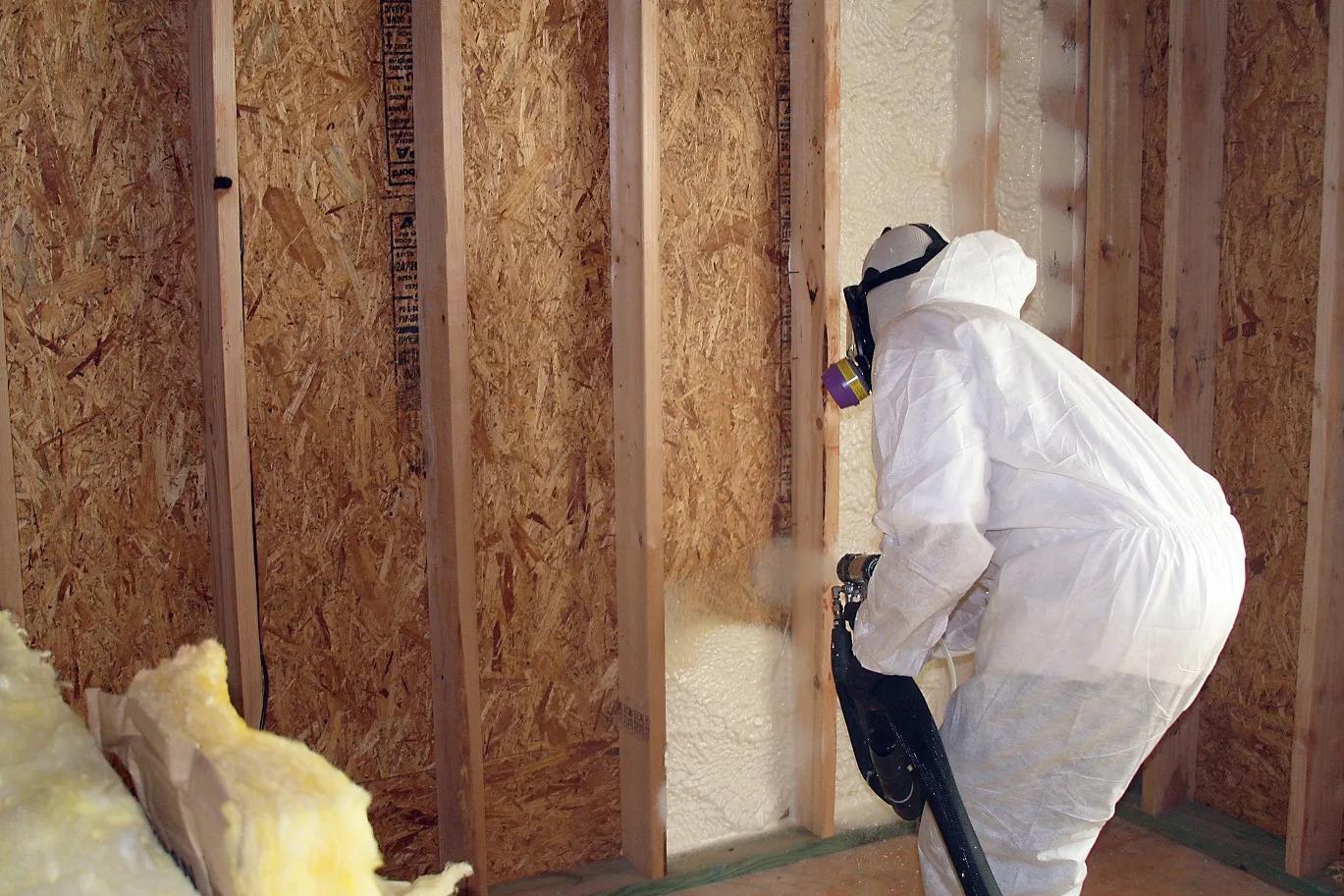
Wall insulation affects indoor air quality by controlling air leaks, moisture, and temperature shifts. Proper Wall Insulation blocks outside pollutants and limits dust, allergens, and outdoor air infiltration. It also supports balanced ventilation. Homes stay cleaner and more stable when walls hold conditioned air inside.
How Wall Insulation Impacts Indoor Air Quality
Good wall insulation reduces uncontrolled air movement.
Air leaks often bring in:
- Dust and pollen
- Vehicle emissions
- Smoke particles
- Outdoor humidity
Sealing wall cavities limits these contaminants from entering living spaces.
Air Sealing and Pollutant Control
Air sealing closes gaps around studs and outlets. Dense insulation materials block airflow through wall cavities.
This reduces:
- Drafts that carry outside air indoors
- Mold growth from moisture penetration
- Odors from exterior sources
Market data shows energy-efficient insulation upgrades can reduce air leakage by 20 percent to 40 percent in older homes. Lower leakage improves both air quality and heating efficiency.
Moisture Management Inside Walls
Moisture buildup creates mold risk. Wall insulation with proper vapor control helps manage:
- Condensation in cold climates
- Humidity buildup in warm regions
- Water vapor trapped inside wall cavities
Experts assess climate conditions before choosing material thickness and vapor barriers.
Types of Wall Insulation and Their Air Quality Effects
Different materials affect air quality in different ways. Selection depends on structure type and local climate.
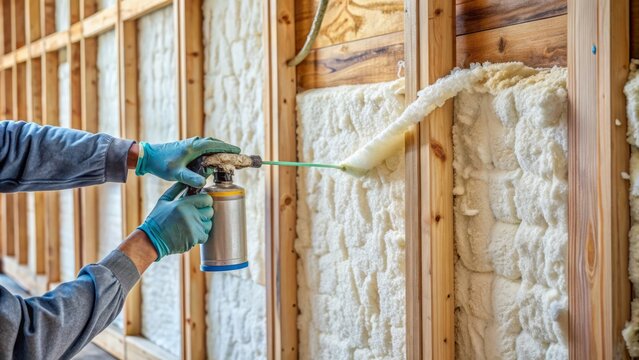
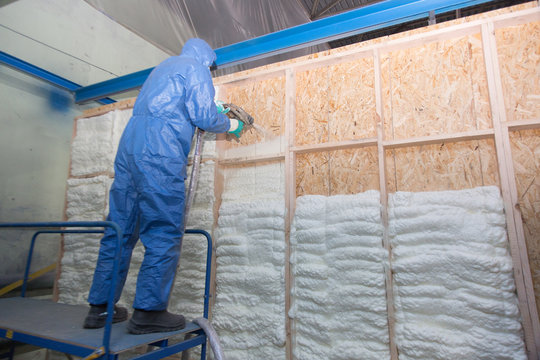
Spray Foam Insulation
Spray foam expands and seals gaps tightly. It provides strong air control and reduces airflow through cracks.
Benefits include:
- High air sealing performance
- Reduced allergen entry
- Better moisture resistance
Fiberglass Batt Insulation
Fiberglass is common in residential walls. It slows heat transfer but does not block air on its own.
Installers often pair it with:
- Air barriers
- Proper sealing tapes
- Vapor control layers
Cellulose Insulation
Cellulose contains recycled paper treated with fire retardant. It fills wall cavities densely and reduces air movement. It also absorbs some moisture, helping stabilize indoor humidity.
| Insulation Type | Air Sealing Ability | Moisture Control | Impact on Air Quality |
|---|---|---|---|
| Spray Foam | High | Strong | High improvement |
| Fiberglass | Low to Medium | Moderate | Moderate improvement |
| Cellulose | Medium | Good | Good improvement |
Professional assessment ensures the right option fits the building.
Market Trends and Performance Data
Energy studies show that better wall insulation reduces heating and cooling energy use by 10 percent to 30 percent in many homes.
Homes with upgraded insulation often report:
- Lower HVAC runtime
- Fewer airborne dust particles
- Stable indoor humidity levels
Real estate data also indicates buyers value energy upgrades. Properties with documented insulation improvements often attract stronger offers.
Investing in air-tight wall systems supports long-term indoor air performance.
Things to Consider Before Making a Decision
Homeowners should review key factors before upgrading.
Current Wall Condition
They inspect for:
- Cracks in drywall
- Gaps around windows
- Moisture stains
- Mold signs
An air leakage test identifies weak areas.
Climate and Location
Cold regions need strong vapor barriers.
Warm and humid regions require moisture control plus ventilation balance.
Local conditions determine insulation thickness and material choice.
Professional Installation Quality
Installation accuracy affects performance.
Skilled Wall Insulation Experts measure cavity depth and seal penetrations properly.
Poor installation reduces air quality benefits and creates thermal gaps.
Budget and Long Term Savings
Upfront costs vary by material.
However, lower utility bills and improved air control offset investment over time.
Homeowners should compare:
- Material cost
- Labor quality
- Expected energy savings
Bonus Tips
- Seal duct leaks before upgrading wall insulation
- Test indoor air quality after installation
- Combine insulation upgrades with ventilation improvements
Proper coordination improves results.
Questions People Ask About
How quickly does wall insulation improve air quality
Improvements happen immediately after air sealing reduces outside air leaks. Results depend on installation quality.
Can old insulation harm indoor air
Old insulation may trap dust or moisture if damaged. Professionals inspect and replace degraded sections when needed.
Does spray foam improve air quality more than fiberglass
Spray foam seals air leaks better. It often reduces pollutant entry more effectively than loose insulation.
Should ventilation systems be added with wall insulation
Yes. Tight walls need balanced ventilation to maintain fresh air circulation indoors.
How much does professional wall insulation cost
Costs vary by home size and material. Many projects recover expenses through energy savings over time.
Conclusion
Wall insulation directly affects indoor air quality by limiting air leaks and controlling moisture.
Proper installation reduces pollutants, dust, and humidity problems. It also improves energy efficiency and comfort.
Homeowners should assess their walls, climate needs, and budget before upgrading.
They benefit most when they consult experienced professionals and review their home conditions carefully.
Get Professional Wall Insulation Support
Cascadia Spray Foam Insulation of Seattle provides guidance for property owners evaluating insulation upgrades.
Their team reviews wall conditions, airflow issues, and moisture risks before recommending solutions. Homeowners can reach them for consultation:
Email: info@cascadiasprayfoam.com
Phone: (425) 386-3500
They support detailed assessments and practical solutions for improved indoor air performance.
Reviewer: Olivia Thompson has 10 years of experience in spray foam insulation. She reviewed the content to ensure alignment with customer expectations and industry standards.

 English
 Arabic
 Spanish
 Portuguese
 Deutsch
 Turkish
 Dutch
Dutch
 Italiano
 Russian
 Romaian
 Portuguese (Brazil)
 Greek
Greek