


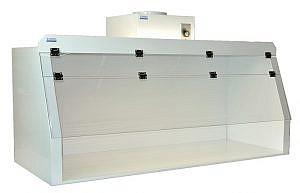
When you work with aggressive acids, solvents, or high-humidity processes, you need more than ventilation—you need equipment that survives constant chemical exposure. If you’re setting up or upgrading your lab, understanding how a polypropylene fume hood resists corrosive chemicals will help you make a smarter, longer-lasting investment.
This guide explains exactly how it works, why it outperforms traditional materials in harsh environments, and how you can choose the right system for your laboratory.
Why Corrosion Resistance Matters in Your Lab
If you regularly handle hydrochloric acid, sulfuric acid, nitric acid, or other corrosive agents, your fume hood is under daily attack. Metal hoods can rust. Coated steel can chip. Even some composites degrade over time.
When corrosion starts:
- Surfaces weaken
- Airflow performance declines
- Maintenance costs increase
- Safety risks rise
That’s why selecting a chemically resistant containment system is critical for consistent performance and long-term durability.
What Makes Polypropylene Naturally Chemical Resistant?
Polypropylene is a thermoplastic polymer known for its exceptional resistance to acids, bases, and moisture. Unlike painted metal or epoxy-coated steel, polypropylene is solid plastic throughout—meaning it doesn’t rely on a surface coating for protection.
Here’s how it protects your lab:
Non-Reactive Surface Composition
Polypropylene does not chemically react with most strong acids, alkalis, or solvents. When corrosive vapors contact the interior surfaces, they don’t break down the material structure. This makes it ideal for acid digestion, trace metal analysis, and wet chemistry applications.
No Rust, No Oxidation
Metal-based hoods corrode due to oxidation. Polypropylene contains no metal components in its structural panels, so it simply doesn’t rust. Even in high-humidity or high-acid vapor environments, the material maintains structural integrity.
Seam-Welded Construction
High-quality polypropylene hoods are heat-welded rather than bolted together. This creates smooth, sealed interior surfaces without exposed fasteners that can corrode or leak. Welded seams prevent chemical seepage and extend lifespan.
Moisture Immunity
Polypropylene does not absorb water. If your processes generate steam, condensation, or frequent washdowns, the hood won’t swell, warp, or degrade over time.
How a Polypropylene Fume Hood Performs in Corrosive Environments
If your lab specializes in semiconductor processing, pharmaceutical research, battery testing, or acid etching, polypropylene offers measurable performance benefits:
- Maintains structural strength under continuous acid exposure
- Resists chemical staining and degradation
- Supports stable airflow containment
- Requires minimal surface maintenance
When properly ducted, it effectively removes hazardous vapors while resisting internal chemical damage.
If you're evaluating a high-performance chemical-resistant ducted laboratory hood system, you can explore options like the CleaTech LLC engineered Polypropylene Fume Hood solutions designed specifically for aggressive chemical applications.
Where You Should Use a Polypropylene Fume Hood
You’ll benefit most from polypropylene construction if your lab handles:
- Acid digestion procedures
- Wet chemistry applications
- Metal analysis
- Battery research
- Semiconductor fabrication
- Chemical manufacturing processes
If your facility routinely works with hydrochloric, nitric, perchloric, or sulfuric acid vapors, polypropylene is one of the safest long-term choices.
How You Can Extend the Life of Your Hood
Even though polypropylene resists corrosion, proper maintenance ensures maximum lifespan:
- Perform regular airflow inspections
- Clean interior surfaces with non-abrasive materials
- Avoid incompatible solvents (check chemical compatibility charts)
- Inspect duct connections for secure sealing
- Schedule routine safety certification
When installed and maintained correctly, your hood can perform reliably for many years in demanding chemical environments.
Why Manufacturer Quality Matters
Not all polypropylene hoods are built equally. Material thickness, welding precision, airflow design, and structural support all impact performance.
When selecting a manufacturer, look for:
- Precision heat-welded seams
- Reinforced structural panels
- Integrated airflow baffles
- Chemical-resistant sash components
- Custom sizing options
A reputable manufacturer ensures your system meets safety standards and lab workflow needs.
You can learn more about laboratory containment expertise and chemical-resistant solutions from CleaTech LLC.
When Should You Upgrade to Polypropylene?
Consider upgrading if:
- Your current hood shows rust or coating damage
- You’re expanding acid-based processes
- You need longer equipment lifespan
- You want lower long-term maintenance costs
- Your lab requires stricter chemical resistance
Making the switch before corrosion becomes a safety issue protects both your team and your investment.
Frequently Asked Questions
Is a polypropylene fume hood better for acid applications?
Yes. Polypropylene offers superior resistance to strong acids compared to metal or coated steel hoods, making it ideal for corrosive chemical environments.
Can polypropylene handle high temperatures?
Polypropylene performs well under typical laboratory temperatures but is not intended for extremely high-heat processes. Always verify temperature compatibility for your application.
Does polypropylene crack over time?
High-quality, properly manufactured polypropylene hoods are impact-resistant and durable. Regular inspection ensures long-term performance.
Is a ducted polypropylene fume hood necessary?
If you’re handling hazardous chemical vapors, a ducted system provides effective containment and exhaust. Always evaluate your ventilation requirements with a qualified specialist.
How do I choose the right size polypropylene hood?
Sizing depends on your workspace, chemical volume, and process type. Consulting with a laboratory equipment expert ensures optimal airflow and containment performance.
If you’re ready to improve corrosion resistance and lab safety, Contact us today.
Final Thoughts
When your lab depends on safe containment of corrosive chemicals, material choice matters. Polypropylene fume hoods resist rust, chemical breakdown, and moisture damage—making them one of the most reliable solutions for aggressive environments.
By choosing a high-quality polypropylene system from a trusted manufacturer, you protect your equipment, extend operational lifespan, and maintain safer working conditions for years to come.
Original Source: https://laboratoryquipment.blogspot.com/2026/02/how-polypropylene-fume-hood-resists.html

 English
 Arabic
 Spanish
 Portuguese
 Deutsch
 Turkish
 Dutch
Dutch
 Italiano
 Russian
 Romaian
 Portuguese (Brazil)
 Greek
Greek