


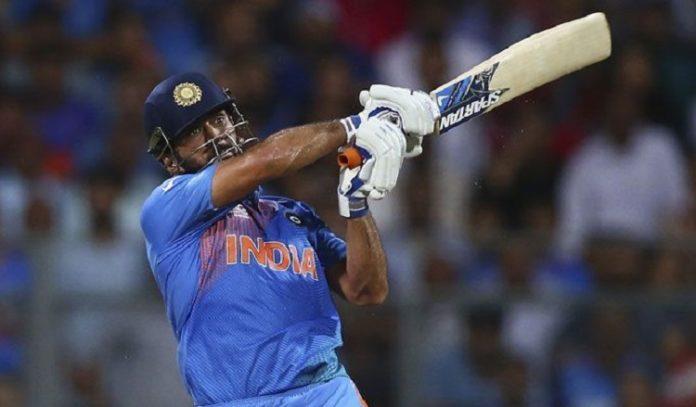
The longest six in cricket history remains one of the sport’s most electrifying achievements, representing pure strength, timing, and fearless intent. While centuries and five-wicket hauls dominate statistics, a colossal six can instantly shift momentum and energize a packed stadium.
In earlier decades, distances were often estimated, but modern tracking technology has brought greater precision to measuring towering hits. With the rise of ODIs and T20 cricket, improved fitness levels, and advanced bat technology, power-hitting has become central to the modern game. The quest for the longest six highlights cricket’s transformation into a faster, more entertainment-driven spectacle.
Record-Breaking Sixes in International Cricket
-
Shahid Afridi — 153 meters
Often cited in discussions about the longest six ever hit, Afridi’s 153-meter strike came against South Africa in Johannesburg in 2013. The ball reportedly soared beyond the stadium roof, leaving fans stunned. Known for his explosive bat speed and aggressive mindset, Afridi set a benchmark for long-distance hitting. -
Brett Lee — 130 meters
Renowned primarily for his express pace, Lee showcased his batting power with a massive 130-meter six during a Test match against the West Indies at the Gabba in 2005. The remarkable hit demonstrated that even bowlers can deliver extraordinary power. -
Martin Guptill — 127 meters
Guptill produced a stunning 127-meter six in an ODI against South Africa in 2012. Blending clean timing with brute force, the strike underlined his reputation as one of the most destructive openers in limited-overs cricket. -
Liam Livingstone & Corey Anderson — ~122 meters
In the modern T20 era, Livingstone hammered a 122-meter six against Pakistan in 2021, while Anderson delivered a similarly massive blow versus India in 2014. Both hits rank among the longest officially recorded in contemporary cricket, highlighting the fearless intent of today’s power hitters.
Other Memorable Long-Distance Sixes
-
Yuvraj Singh (India) – Estimated around 119 meters, showcasing his explosive batting that played a crucial role in India’s limited-overs dominance.
-
MS Dhoni (India) – Known for calm finishes, Dhoni struck sixes measured near 118 meters, often under intense pressure. His iconic helicopter shot became a trademark.
-
Chris Gayle (West Indies) – Dubbed the “Universe Boss,” Gayle has launched numerous sixes beyond 115 meters, including one recorded at approximately 116 meters. His dominance in T20 leagues made him one of cricket’s most feared hitters.
The fascination with the longest six in cricket history reflects the sport’s evolution toward dynamic, high-impact batting. These monumental blows remain etched in cricket folklore, symbolizing the thrilling power and spectacle that define the modern era.
Why Measuring the Longest Six Is Difficult
Determining the single longest six in cricket history is challenging. Factors such as ground size, altitude, wind conditions, bat technology, and lack of advanced measuring tools in earlier eras make exact comparisons difficult. Many historic sixes were measured by estimation rather than technology, which keeps debates alive among fans and experts.
Conclusion
The longest six in cricket history represents the thrilling, explosive side of the sport. From Shahid Afridi’s legendary 153-meter strike to modern-day power hitters pushing boundaries in T20 cricket, these massive shots symbolize confidence, strength, and entertainment. While records may be challenged in the future, these iconic sixes will forever remain etched in cricket folklore, reminding fans why power-hitting holds a special place in the game.
The longest six in cricket history remains one of the sport’s most electrifying achievements, representing pure strength, timing, and fearless intent. While centuries and five-wicket hauls dominate statistics, a colossal six can instantly shift momentum and energize a packed stadium.
In earlier decades, distances were often estimated, but modern tracking technology has brought greater precision to measuring towering hits. With the rise of ODIs and T20 cricket, improved fitness levels, and advanced bat technology, power-hitting has become central to the modern game. The quest for the longest six highlights cricket’s transformation into a faster, more entertainment-driven spectacle.
Record-Breaking Sixes in International Cricket
-
Shahid Afridi — 153 meters
Often cited in discussions about the longest six ever hit, Afridi’s 153-meter strike came against South Africa in Johannesburg in 2013. The ball reportedly soared beyond the stadium roof, leaving fans stunned. Known for his explosive bat speed and aggressive mindset, Afridi set a benchmark for long-distance hitting. -
Brett Lee — 130 meters
Renowned primarily for his express pace, Lee showcased his batting power with a massive 130-meter six during a Test match against the West Indies at the Gabba in 2005. The remarkable hit demonstrated that even bowlers can deliver extraordinary power. -
Martin Guptill — 127 meters
Guptill produced a stunning 127-meter six in an ODI against South Africa in 2012. Blending clean timing with brute force, the strike underlined his reputation as one of the most destructive openers in limited-overs cricket. -
Liam Livingstone & Corey Anderson — ~122 meters
In the modern T20 era, Livingstone hammered a 122-meter six against Pakistan in 2021, while Anderson delivered a similarly massive blow versus India in 2014. Both hits rank among the longest officially recorded in contemporary cricket, highlighting the fearless intent of today’s power hitters.
Other Memorable Long-Distance Sixes
-
Yuvraj Singh (India) – Estimated around 119 meters, showcasing his explosive batting that played a crucial role in India’s limited-overs dominance.
-
MS Dhoni (India) – Known for calm finishes, Dhoni struck sixes measured near 118 meters, often under intense pressure. His iconic helicopter shot became a trademark.
-
Chris Gayle (West Indies) – Dubbed the “Universe Boss,” Gayle has launched numerous sixes beyond 115 meters, including one recorded at approximately 116 meters. His dominance in T20 leagues made him one of cricket’s most feared hitters.
The fascination with the longest six in cricket history reflects the sport’s evolution toward dynamic, high-impact batting. These monumental blows remain etched in cricket folklore, symbolizing the thrilling power and spectacle that define the modern era.
Why Measuring the Longest Six Is Difficult
Determining the single longest six in cricket history is challenging. Factors such as ground size, altitude, wind conditions, bat technology, and lack of advanced measuring tools in earlier eras make exact comparisons difficult. Many historic sixes were measured by estimation rather than technology, which keeps debates alive among fans and experts.
Conclusion
The longest six in cricket history represents the thrilling, explosive side of the sport. From Shahid Afridi’s legendary 153-meter strike to modern-day power hitters pushing boundaries in T20 cricket, these massive shots symbolize confidence, strength, and entertainment. While records may be challenged in the future, these iconic sixes will forever remain etched in cricket folklore, reminding fans why power-hitting holds a special place in the game.

 English
 French
 Spanish
 Portuguese
 Deutsch
 Turkish
 Dutch
Dutch
 Italiano
 Russian
 Romaian
 Portuguese (Brazil)
 Greek
Greek