


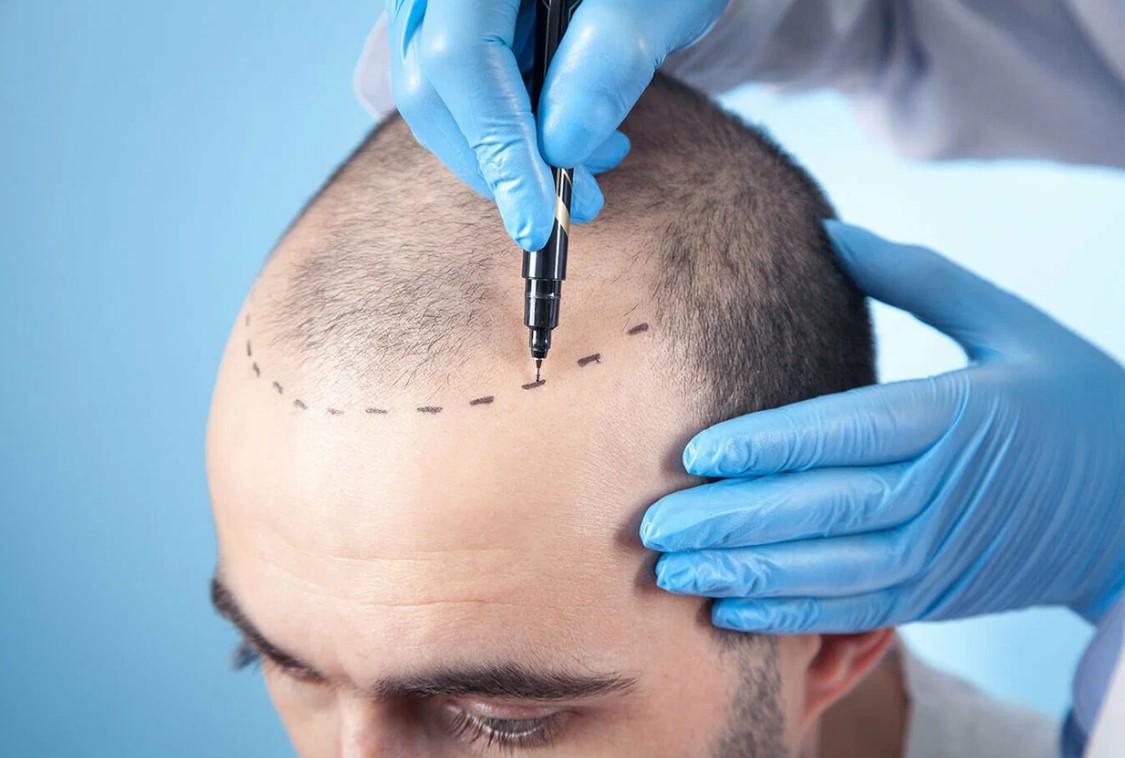
When evaluating hair transplant costs, the number of grafts required typically determines the final price more than any other factor. A “graft” refers to a small cluster of hair follicles (usually 1–4 hairs) harvested from the donor area (often the back and sides of the scalp) and implanted in the thinning or bald areas. Hair transplant cost in Riyadh varies based on factors such as the number of grafts needed, the technique used, and the overall treatment plan tailored to individual hair loss patterns.
In Riyadh — like in most cities — clinics generally price hair transplants based on graft count, because graft count closely correlates with:
-
Time spent in surgery
-
Surgical skill and staffing
-
Resource use (e.g., instruments, disposables)
-
Complexity of the case
Understanding how graft numbers influence total cost will help patients budget realistically and choose the right plan.
2. How Pricing Based on Graft Numbers Works
In Riyadh, hair transplant clinics commonly use a per‑graft pricing model. Instead of quoting a flat procedure fee for all patients, they calculate costs like this:
Total Cost=Price Per Graft×Expected Graft Count\text{Total Cost} = \text{Price Per Graft} \times \text{Expected Graft Count}Total Cost=Price Per Graft×Expected Graft Count
Price per graft varies based on the clinic, surgeon experience, and technique (e.g., FUE vs. DHI), but the basic principle remains: more grafts = higher cost.
Example:
If a clinic charges SAR 30 per graft, and you need 3,000 grafts:
30×3,000=SAR90,00030 \times 3,000 = SAR 90,00030×3,000=SAR90,000
That cost covers the surgical procedure and associated services included in the clinic’s offering.
3. Why Graft Numbers Drive Cost
Here are the key reasons graft count heavily influences cost:
A. Time in the Operating Room
-
Every graft must be extracted, prepared, and implanted individually.
-
Higher graft counts mean longer surgery times.
-
Longer surgeries involve more staff involvement (surgeons, technicians, assistants).
-
Operating room time itself is an expensive resource.
Because time directly affects labor and clinical overhead, patients with higher graft requirements will pay more.
B. Surgical Complexity
Not all grafts are equal. Some are easier to extract and place; others are more delicate:
-
Front hairline grafts require precision for natural patterning.
-
Crown or vertex grafts may require complex angulation.
-
High graft numbers increase the complexity and workload, which increases cost.
Experienced surgeons who ensure high survival rate and natural appearance often charge a premium per graft — especially for large sessions.
C. Staff Requirements
Harvesting and placing thousands of grafts requires a team:
-
Multiple assistants may work simultaneously on extraction and implantation to keep grafts viable.
-
Higher graft counts require larger teams and more coordination.
This increases labor costs that clinics typically pass on to patients.
4. Determining How Many Grafts You Need
Understanding how graft numbers are estimated helps you anticipate cost.
Clinics evaluate factors like:
-
Extent of hair loss: Larger bald areas need more grafts.
-
Donor area density: Stronger donor density may reduce need for excessive grafts.
-
Hair characteristics: Hair thickness, curl, and color all affect coverage potential.
-
Desired outcome: Thicker, denser appearance requires more grafts — particularly for front and mid‑scalp regions.
After evaluation, your surgeon will provide an estimated graft count. This count is crucial to the final cost discussion.
5. Typical Graft Ranges & Cost Impact
To ground the discussion, here are common graft ranges and how they influence costs in Riyadh:
A. Small Sessions (1,000–1,500 grafts)
-
Usually for minor thinning or hairline refinement.
-
Lower overall cost because of fewer grafts.
-
Typically less surgical time and smaller staff investment.
Cost impact: Relatively affordable compared to larger sessions.
B. Moderate Sessions (2,000–3,000 grafts)
-
Common for mild to moderate hair loss.
-
Balanced procedure length and graft count.
-
Good for covering hairline and initial crown thinning.
Cost impact: Mid‑range pricing — this is where many patients fall.
C. Large Sessions (3,500–5,000+ grafts)
-
Required when hair loss is extensive.
-
Can involve full hairline, significant mid‑scalp, and crown coverage.
-
Longer surgical times (sometimes over 8 hours).
Cost impact: Significantly higher total price due to high graft count.
6. Per‑Graft Pricing Nuances in Riyadh
Per‑graft price is not fixed. It can vary due to:
A. Technique Used
-
FUE (Follicular Unit Extraction): Generally mid‑level pricing per graft.
-
DHI (Direct Hair Implantation): Often higher per graft due to specialized tools and process.
-
FUT (less common today): Can sometimes be slightly cheaper but may leave a linear scar.
Techniques affect not only graft count but graft handling time and cost per unit.
B. Surgeon Expertise
Top surgeons often charge higher per graft fees because they:
-
Provide better placement artistry
-
Improve graft survival
-
Reduce revision risk
Quality matters more than price — especially when graft numbers are high.
C. Clinic Policies
Some clinics include extras (like consultations or medications) in per‑graft pricing, while others charge them separately. Always clarify what’s included.
7. Key Takeaways for Patients
-
More grafts = higher cost: This is the dominant rule.
-
Technique and expertise influence per‑graft price.
-
Accurate graft estimation is essential for budgeting.
-
Large sessions cost more not just because of count but because of time, complexity, and staff involvement.
Knowing this helps you plan financially and choose a clinic that fits both your medical needs and budget expectations.

 English
 Arabic
 French
 Spanish
 Portuguese
 Turkish
 Dutch
Dutch
 Italiano
 Russian
 Romaian
 Portuguese (Brazil)
 Greek
Greek