


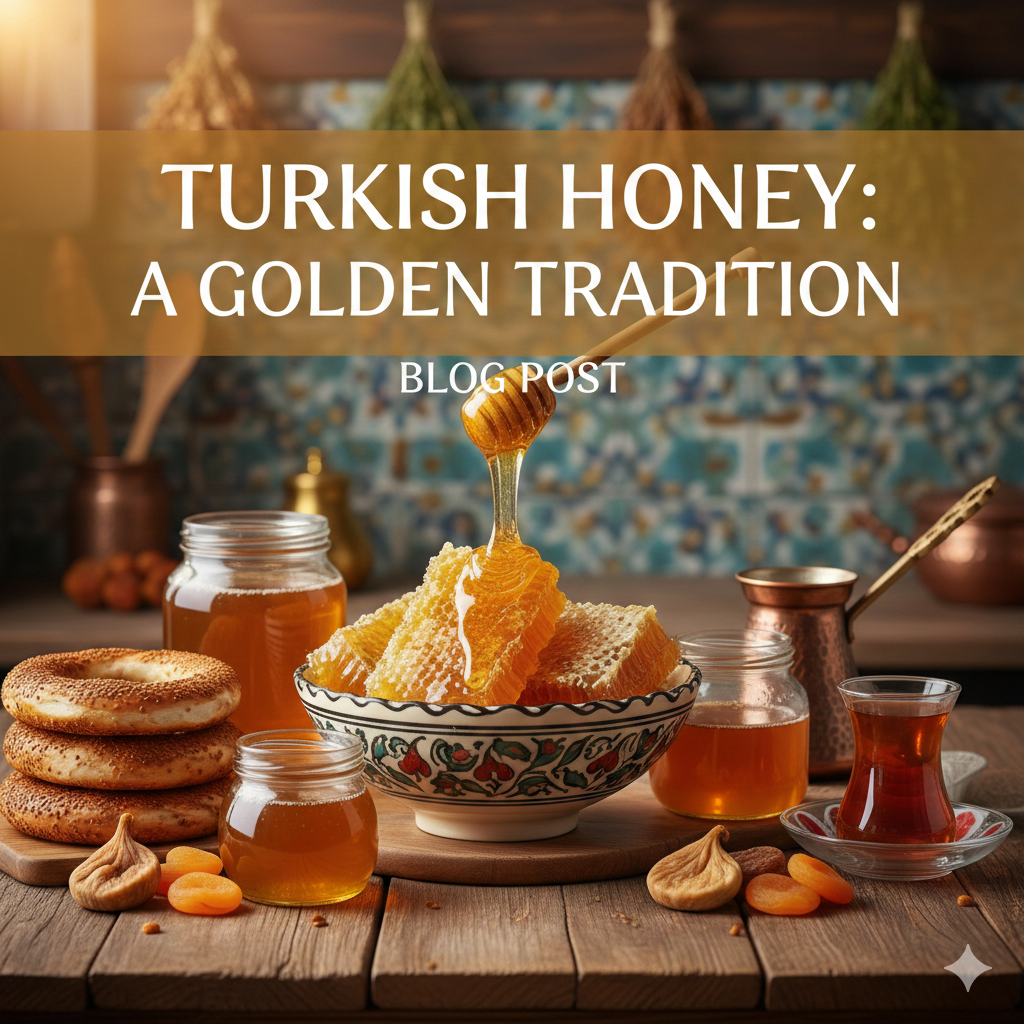
Turkish Honey has earned a global reputation for its rich flavor, natural purity, and impressive health benefits. Produced in a country known for its diverse climate and abundant flora, this honey stands out in both quality and variety. From pine forests along the Mediterranean coast to high mountain plateaus filled with wildflowers, Turkey offers the perfect environment for beekeeping.
In recent years, Turkish Honey has become increasingly popular among health-conscious consumers seeking natural alternatives to refined sugar and synthetic supplements. But what truly makes it special? Is it the taste, the production process, or the medicinal value? In this article, we will explore the origins, types, benefits, and uses of Turkish Honey, and explain why it continues to gain worldwide recognition.
The Rich Beekeeping Heritage of Turkey
Turkey is one of the leading honey-producing countries in the world. With thousands of plant species and a unique geographical position bridging Europe and Asia, it provides ideal conditions for bees. The country’s beekeeping tradition dates back centuries, and honey has always been an important part of Turkish cuisine and traditional remedies.
Regions such as the Aegean, Black Sea, and Mediterranean are especially famous for high-quality honey production. Pine forests, chestnut trees, thyme-covered hills, and wildflower meadows all contribute to the distinct taste and nutritional value of Turkish Honey.
The strong beekeeping culture ensures that many producers follow traditional and sustainable practices. This commitment to quality helps maintain the authenticity and purity that Turkish Honey is known for.
Types of Turkish Honey
One of the main reasons Turkish Honey is so popular is its diversity. Different floral sources produce unique flavors, textures, and colors.
Pine Honey
Pine honey is one of the most famous varieties from Turkey. Unlike floral honey, it is produced from honeydew secreted by insects that feed on pine trees. Regions like Muğla are particularly known for this variety.
Pine honey has a darker color, thicker consistency, and less sweetness compared to flower honey. It is rich in minerals and antioxidants, making it highly valued for its health benefits.
Flower Honey
Flower honey, also known as blossom honey, is produced from nectar collected from various flowers. Depending on the region and season, its flavor can range from mild and sweet to bold and aromatic.
Wildflower honey from high-altitude plateaus is especially prized for its purity and complex taste profile.
Chestnut Honey
Chestnut honey has a strong, slightly bitter taste and a dark color. It is popular among those who prefer less sweet honey and is often used for its medicinal properties.
Thyme Honey
Thyme honey is known for its distinctive herbal aroma. It is often associated with immune support and respiratory health.
Each type of Turkish Honey offers a unique experience, making it suitable for different tastes and purposes.
Nutritional Value of Turkish Honey
Turkish Honey is more than just a natural sweetener. It contains essential nutrients that support overall well-being.
Rich in Antioxidants
High-quality Turkish Honey contains antioxidants that help protect the body from oxidative stress. These compounds may support heart health and reduce inflammation.
Natural Energy Booster
Honey provides a quick and natural source of energy due to its natural sugars such as glucose and fructose. Athletes and active individuals often use it as a pre-workout or post-workout snack.
Vitamins and Minerals
Depending on the floral source, Turkish Honey may contain small amounts of vitamins such as B-complex vitamins and minerals like calcium, potassium, magnesium, and iron.
Health Benefits of Turkish Honey
For centuries, honey has been used in traditional remedies, and Turkish Honey is no exception.
Supports Immune System
Thanks to its antibacterial and antimicrobial properties, Turkish Honey can help support the immune system. Many people consume a spoonful daily to maintain general health.
Soothes Sore Throat and Cough
Mixing honey with warm water, lemon, or herbal tea is a common home remedy for sore throats. Its soothing texture coats the throat and may reduce irritation.
Aids Digestion
Honey may help improve digestion by supporting beneficial gut bacteria. Some individuals use it to relieve mild digestive discomfort.
Promotes Skin Health
Turkish Honey is also used in skincare. Its moisturizing and antibacterial properties make it a popular ingredient in face masks and natural beauty treatments.
Turkish Honey in Traditional Cuisine
Honey plays a central role in Turkish cuisine. It is commonly served at breakfast alongside bread, butter, and clotted cream. Traditional desserts often feature honey as a key ingredient.
One of the most famous combinations is honey served with kaymak, a creamy dairy product. This pairing is considered a delicacy and highlights the rich flavor of Turkish Honey.
Honey is also used in marinades, salad dressings, and herbal teas, showcasing its versatility in both sweet and savory dishes.
How to Identify Authentic Turkish Honey
As demand increases, so does the risk of counterfeit or adulterated products. To ensure you are purchasing genuine Turkish Honey, consider the following tips:
Check the Source
Look for products that clearly mention the region of origin. Authentic producers often provide detailed information about the floral source and production methods.
Examine the Texture
Pure honey may crystallize over time. This is a natural process and does not indicate spoilage. In fact, crystallization often suggests authenticity.
Read the Label Carefully
Ensure the product does not contain added sugars, syrups, or artificial ingredients. High-quality Turkish Honey should be 100 percent pure.
Buy from Reputable Sellers
Purchasing from trusted retailers or well-known brands reduces the risk of buying low-quality honey.
Turkish Honey Compared to Other Varieties
What sets Turkish Honey apart from other types of honey produced worldwide?
First, the biodiversity of Turkey provides a wide range of unique floral sources that are difficult to replicate elsewhere. Second, traditional beekeeping methods help preserve the natural qualities of the honey.
For example, pine honey from Turkey is considered one of the best in the world due to its distinct mineral content and rich flavor. While many countries produce blossom honey, the taste of Turkish wildflower honey is often described as more complex and aromatic.
This combination of geography, tradition, and quality control gives Turkish Honey a competitive edge in international markets.
Proper Storage and Usage Tips
To maintain the quality of Turkish Honey, proper storage is essential.
-
Store it in a cool, dry place.
-
Avoid direct sunlight.
-
Keep the lid tightly closed to prevent moisture contamination.
-
Do not refrigerate unless necessary, as it may accelerate crystallization.
When using honey in hot beverages, avoid adding it to boiling water. Excessive heat can reduce some of its beneficial properties. Instead, allow the liquid to cool slightly before mixing in the honey.
Is Turkish Honey Suitable for Everyone?
While Turkish Honey offers many benefits, it may not be suitable for everyone.
-
Infants under one year of age should not consume honey due to the risk of botulism.
-
Individuals with diabetes should consult a healthcare professional before consuming honey regularly.
-
Those with pollen allergies should start with small amounts to monitor reactions.
Moderation is key, even with natural products.
The Growing Global Demand for Turkish Honey
The global market for natural and organic products continues to expand, and Turkish Honey has become a popular choice among international buyers. Consumers appreciate its natural production methods, diverse flavors, and perceived health benefits.
Export markets in Europe, the Middle East, and Asia have shown increasing interest. Online platforms also make it easier for consumers worldwide to access authentic Turkish Honey.
As awareness grows about the importance of natural and minimally processed foods, the demand for high-quality honey from trusted sources is expected to rise further.
Conclusion
Turkish Honey is more than just a sweet treat. It represents centuries of beekeeping tradition, diverse natural landscapes, and a commitment to quality. From pine honey rich in minerals to aromatic wildflower varieties, each type offers unique flavors and potential health benefits.
Its role in traditional cuisine, natural remedies, and modern wellness routines highlights its versatility. When purchasing Turkish Honey, choosing authentic and reputable sources ensures you receive the full benefits of this remarkable product.
Whether you are looking for a natural energy boost, a healthier alternative to sugar, or simply a flavorful addition to your meals, Turkish Honey stands out as a premium choice. With its rich heritage and growing global reputation, it continues to be a symbol of natural goodness and purity.

 English
 Arabic
 French
 Spanish
 Portuguese
 Deutsch
 Dutch
Dutch
 Italiano
 Russian
 Romaian
 Portuguese (Brazil)
 Greek
Greek