


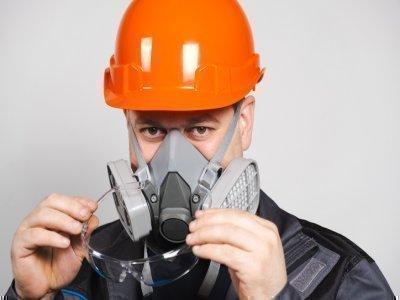
Respirator fit testing is a vital part of workplace safety programs, especially in industries where employees are exposed to airborne hazards such as dust, fumes, vapors, or toxic particles. Many workers assume that simply wearing a respirator guarantees protection, but without proper fit testing, even high-quality respiratory equipment may fail to perform effectively. Ensuring a secure seal between the respirator and the wearer’s face is essential for preventing harmful contaminants from entering the breathing zone. This is why respirator fit testing is considered a fundamental requirement in occupational health and safety systems.
What Is Respirator Fit Testing?
Respirator fit testing is a professional procedure used to confirm that a respirator properly seals to an individual’s face. Because every person has a unique facial shape and size, respirators are not one-size-fits-all. A mask that fits one employee perfectly may leak when worn by another. Fit testing identifies the correct respirator model and size for each worker, ensuring maximum protection.
The process typically involves testing while the wearer performs common movements such as speaking, turning the head, or bending. These movements simulate real working conditions and help determine whether the respirator maintains an effective seal throughout the workday.
Why Proper Respirator Fit Matters
Proper respirator fit is critical because even tiny gaps can allow contaminated air to bypass filters and enter the lungs. When respirators do not fit correctly, workers may unknowingly inhale hazardous substances, including fine dust, chemical vapors, silica particles, or biological contaminants. Over time, exposure to these substances can lead to serious respiratory illnesses, chronic lung disease, or long-term health complications.
A correctly fitted respirator acts as a reliable barrier against airborne hazards. Fit testing verifies that the protective equipment performs as designed, giving both employers and employees confidence that safety measures are effective.
Benefits of Respirator Fit Testing for Workplace Safety
1. Improved Worker Protection
Fit testing ensures that respirators provide the intended level of protection. This reduces the risk of inhalation exposure and helps safeguard employees’ health in hazardous environments.
2. Compliance With Safety Regulations
Many occupational safety standards require employers to conduct respirator fit testing for workers using tight-fitting masks. Compliance demonstrates that a company meets legal obligations and prioritizes worker wellbeing.
3. Reduced Health Risks
Early identification of poorly fitting respirators prevents prolonged exposure to harmful airborne contaminants. This proactive approach reduces the likelihood of occupational illnesses and medical claims.
4. Increased Employee Confidence
Workers who know their respirators have been tested and approved are more confident and comfortable performing tasks in challenging environments. Confidence improves focus, productivity, and overall morale.
5. Stronger Safety Culture
Regular fit testing reinforces the importance of respiratory protection and encourages employees to follow safety procedures consistently. It signals that safety is a priority, not just a policy.
Types of Respirator Fit Testing Methods
Qualitative Fit Testing
This method relies on the wearer’s senses to detect leaks. A harmless substance with a noticeable taste or smell is introduced around the mask. If the wearer detects it, the respirator seal is inadequate. This approach is simple and commonly used for certain respirator types.
Quantitative Fit Testing
Quantitative testing uses specialized instruments to measure the exact amount of air leakage into the respirator. It provides numerical data showing how well the mask fits. Because of its precision, this method is often used in high-risk industries where maximum protection is essential.
Both methods serve the same purpose: ensuring that respirators provide reliable protection in real-world conditions.
When Should Fit Testing Be Done?
Respirator fit testing is not a one-time process. It should be conducted:
· before a worker uses a respirator for the first time
· annually as part of safety programs
· whenever a different respirator model is issued
· after significant physical changes such as weight fluctuation or dental work
· if facial hair or injuries affect mask seal
Regular testing ensures continued protection and keeps safety programs effective over time.
Common Causes of Poor Respirator Fit
Several factors can compromise respirator performance. Understanding these helps workplaces prevent safety failures.
· incorrect mask size or model
· improper strap adjustment
· facial hair interfering with seal
· worn or damaged respirator parts
· incorrect positioning on the face
Fit testing identifies these issues early so they can be corrected before exposure occurs.
Role of Training in Respiratory Protection
Respirator fit testing works best when combined with proper training. Workers must understand how to wear, adjust, and maintain their respirators correctly. Training sessions often include demonstrations, practice exercises, and guidance on performing seal checks before entering hazardous areas.
Education also helps employees recognize signs of poor fit, such as air leakage, discomfort, or shifting masks. When workers know what to look for, they can take immediate action to correct problems and maintain protection.
Technology and Modern Fit Testing Solutions
Advancements in safety technology have improved the efficiency and accuracy of respirator fit testing. Modern equipment can analyze mask performance quickly and generate detailed digital reports. Portable testing systems allow assessments to be conducted directly at worksites, reducing downtime and making testing more convenient.
Digital recordkeeping also simplifies compliance. Employers can store results securely, track testing schedules, and provide documentation during inspections or audits. These technological improvements make respirator fit testing a streamlined and reliable part of workplace safety management.
Why Employers Should Prioritize Fit Testing
For organizations, respirator fit testing is not just a regulatory requirement—it is a smart investment. Preventing workplace illness reduces absenteeism, compensation claims, and productivity losses. Healthy employees perform better, communicate more effectively, and contribute to smoother operations.
Companies that prioritize respiratory protection also strengthen their professional reputation. Clients, partners, and regulators view them as responsible organizations committed to safety and quality standards. Over time, this commitment can provide a competitive advantage.
Conclusion
Respirator fit testing plays a crucial role in protecting workers from airborne hazards. Without proper fit, respirators cannot deliver the protection they are designed to provide. Fit testing ensures that each employee’s mask forms a secure seal, preventing harmful contaminants from entering the respiratory system.
By verifying equipment performance, supporting regulatory compliance, and promoting safety awareness, respirator fit testing transforms respiratory protection from a basic precaution into a dependable safeguard. For any workplace where air quality risks exist, ensuring proper respirator fit is not optional—it is essential for maintaining a safe, healthy, and productive environment.

 English
 Arabic
 French
 Spanish
 Portuguese
 Turkish
 Dutch
Dutch
 Italiano
 Russian
 Romaian
 Portuguese (Brazil)
 Greek
Greek