


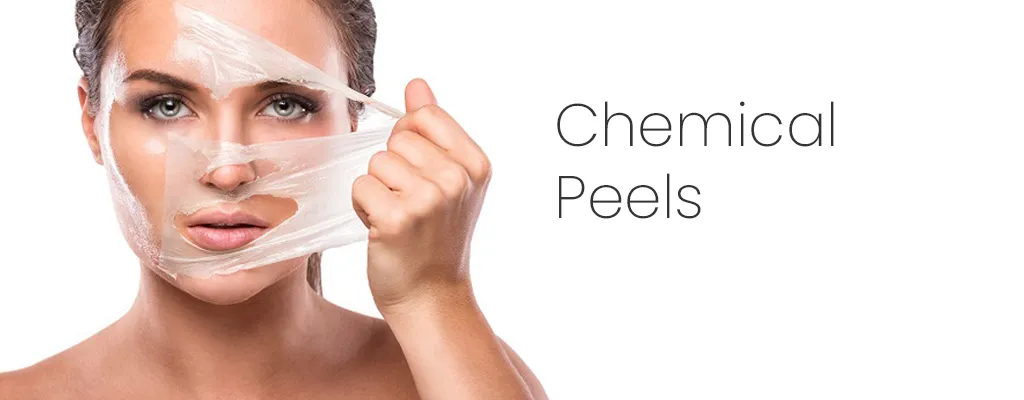
Chemical Peels 101: How to Achieve a "Riyadh Glow" Safely
Chemical Peels in Riyadh(التقشير الكيميائي في الرياض) have become a localized phenomenon, evolving from a simple clinical procedure into a specialized art form tailored to the unique biological demands of the Najd region. Achieving the coveted "Riyadh Glow"—a complexion that looks luminous, hydrated, and resilient despite the environmental onslaught—requires a strategic approach that respects both the science of exfoliation and the reality of the desert climate. In a city where the UV index frequently hits extreme levels and the humidity can drop to single digits, a chemical peel isn't just a beauty treatment; it’s a necessary reset for skin that is constantly in "defense mode." By understanding the fundamentals of acid selection, timing, and environmental protection, you can safely harness the power of chemical resurfacing to reveal a skin tone that is as radiant as the capital's modern skyline.
The Biological "Reset": How Peels Combat Desert Stress
The harsh Riyadh environment accelerates specific skin issues that a standard facial simply cannot address. Chemical peels work at a deeper level to reverse these effects.
-
Combating "City Dullness": The combination of airborne dust and dry air causes dead skin cells to accumulate rapidly, leading to a greyish, "tired" appearance. Peels dissolve the protein bonds of this buildup, instantly restoring light-reflecting clarity.
-
Reversing Photo-Aging: Riyadh’s intense sun exposure causes "solar elastosis"—the breakdown of elastic fibers. Medium-depth peels (like TCA or Jessner’s) stimulate the dermis to produce fresh collagen, thickening the skin and smoothing fine lines.
-
Fading Pigment Patches: Whether it is melasma triggered by the heat or post-acne marks (PIH), chemical agents like Mandelic or Azelaic acid gently lift pigment without the high-risk "rebound" effect often associated with more aggressive lasers in hot climates.
Safe Acid Selection for Middle Eastern Skin Types
In Riyadh, safety is paramount because many residents have Fitzpatrick Skin Types III-V, which are more prone to post-inflammatory hyperpigmentation (PIH) if treated too aggressively.
| Acid Type | The "Glow" Factor | Why it’s Riyadh-Safe |
| Lactic Acid | The Hydrator | A large molecule that exfoliates gently while pulling moisture into the skin—perfect for the dry Saudi climate. |
| Mandelic Acid | The Pigment Polisher | Derived from bitter almonds, it is oil-soluble and penetrates slowly, making it the safest choice for darker skin tones. |
| Salicylic Acid | The Pore Purifier | Deeply cleanses follicles clogged by Riyadh’s dust and sweat, reducing active breakouts. |
| Modified TCA | The Resurfacer | When buffered with anti-inflammatories, it can treat deeper scars and sun damage safely in a clinical setting. |
The "Riyadh Protocol": 3 Rules for Maximum Safety
To achieve the best results without the risk of scarring or darkening, follow these three localized safety rules:
1. The "Winter Window" Strategy
While light "glow peels" can be done year-round, intensive resurfacing is best reserved for Riyadh’s cooler months (November to February). During this time, you are less likely to sweat—which can irritate healing skin—and the lower UV index provides a safer window for dermal recovery.
2. The 48-Hour "Dark Room" Rule
Immediately after a peel, your skin is "naked." In Riyadh, even the light reflecting off a white marble floor or through a car window can trigger pigment changes. For the first 48 hours, stay strictly indoors in a temperature-controlled environment and keep curtains drawn to minimize indirect UV exposure.
3. Physical vs. Chemical Defense
Healing skin can be reactive to the chemicals in standard sunscreens. Specialists in the capital recommend switching to a Physical (Mineral) Sunscreen containing Zinc Oxide or Titanium Dioxide for the first week post-peel. These act as a literal shield against the heat and sun without absorbing into the vulnerable skin.
Maintenance: Sustaining the Glow
A "Riyadh Glow" isn't a one-time event; it’s a maintenance cycle. For most residents, a series of 3 to 4 superficial peels spaced every few weeks provides a more sustainable and safer transformation than a single deep, aggressive session. Between treatments, focus on "barrier repair" using ceramides and hyaluronic acid to counteract the drying effects of local desalinated water and air conditioning.
Conclusion
Navigating chemical peels in Riyadh requires a balance of ambition and caution. When performed with a deep understanding of local environmental triggers and skin physiology, these treatments offer a level of rejuvenation that topical creams alone can never achieve. By choosing the right acid for your skin type and committing to a rigorous post-care defense against the desert sun, you can safely unlock a complexion that is consistently bright, smooth, and resilient.

 Arabic
 French
 Spanish
 Portuguese
 Deutsch
 Turkish
 Dutch
Dutch
 Italiano
 Russian
 Romaian
 Portuguese (Brazil)
 Greek
Greek