


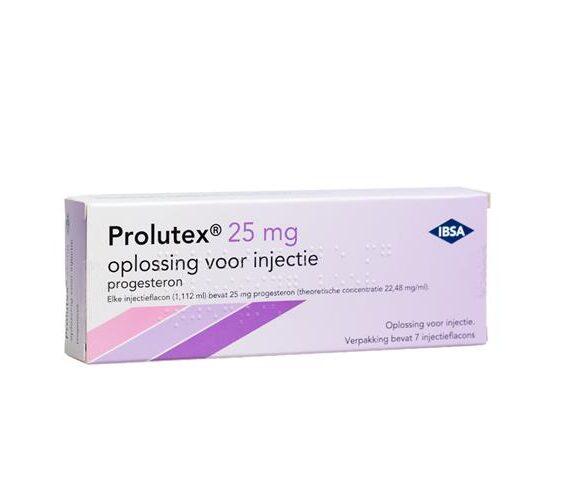
If you work around IVF cycles long enough, you start noticing a pattern: patients (and sometimes newer staff) obsess over the headline meds—stims, trigger, retrieval day—while the outcomes often depend on the quieter stuff done consistently afterward. Two names come up again and again in real clinics: prolutex inj for luteal support, and ganirelix for preventing a premature LH surge. The confusion usually isn’t clinical—it’s practical: how it’s used, what patients experience, and how to interpret ganirelix prices in the US without falling for random numbers online.
This is a ground-level guide written for a US context, with a nod to Alpharetta, Georgia—where most patients are filling meds through specialty pharmacies, dealing with prior authorizations, and comparing discount programs alongside insurance coverage.
What is prolutex inj, and why is it used in IVF?
Prolutex inj is an injectable form of progesterone used for luteal phase support in Assisted Reproductive Technology (ART) cycles—particularly for women who can’t use or tolerate vaginal progesterone. The core role is simple: progesterone supports the endometrium after retrieval/transfer and helps maintain early pregnancy support in ART cycles.
In day-to-day clinic reality, prolutex inj becomes relevant when:
-
vaginal preparations cause irritation, discharge issues, or adherence problems
-
the patient prefers a predictable once-daily injection routine
-
the team wants a non-IM injection option that’s often easier for self-administration
The important EEAT point here: the indication is not an internet trend. Product documents describe progesterone injection use specifically for luteal support in ART for patients unable to use vaginal forms.
When do clinics start prolutex inj, and how long is it continued?
In typical IVF workflows, luteal support starts around retrieval and runs through early pregnancy testing—and beyond if pregnancy is confirmed.
A commonly cited regimen in product documentation is 25 mg once daily, starting from the day of oocyte retrieval, and usually continued until about 12 weeks of confirmed pregnancy (exact stop point varies by clinic policy and patient factors).
That means prolutex inj often becomes the daily consistency medication after retrieval—less dramatic than stims, but not optional if the protocol calls for it.
What does prolutex inj feel like for patients in real life?
If you want fewer last-minute patient panics, this is where you set expectations honestly.
Most patients describe prolutex inj as:
-
easier than deep intramuscular progesterone shots (smaller needle, subcutaneous route)
-
more straightforward than multiple daily vaginal doses
-
still a daily needle, which can create fatigue over time
Injection-site reactions can happen (soreness, redness, mild swelling). Patients do better when they’re told upfront what normal looks like and when to call the clinic. Official guidance also emphasizes it should be started under supervision of a physician experienced in fertility treatment.
Prolutex inj vs vaginal progesterone vs IM progesterone: what’s the practical difference?
This isn’t about declaring winners. It’s about matching routes to patient reality.
-
Vaginal progesterone: often effective and widely used; some patients struggle with irritation or discharge and stop early.
-
IM progesterone: effective but can be painful and inconvenient; injection-site issues are common.
-
Prolutex inj (SC progesterone): aims to keep the routine manageable—systemic progesterone support with a subcutaneous route that many patients can self-administer after training.
A broader ART review also discusses common downsides of IM progesterone (pain, local reactions) and highlights why alternative approaches are used in practice.
So in a clinic conversation, prolutex inj is often the compliance-friendly option when vaginal meds aren’t working for that patient.
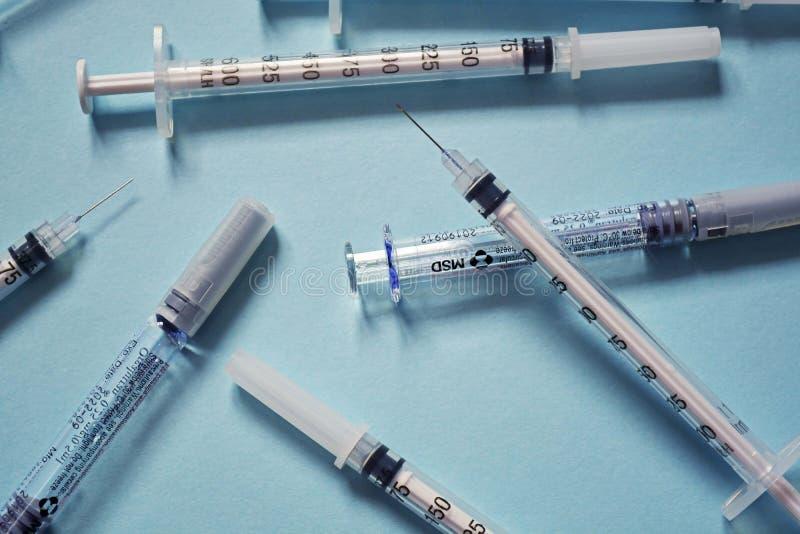
Where ganirelix fits in the cycle and why ganirelix price becomes a hot topic
Ganirelix (a GnRH antagonist) is used during ovarian stimulation to help prevent a premature LH surge. Patients ask about it early because it’s often a late add-on once follicles reach a certain point—meaning the cost can feel sudden.
Now the real-world question in the US is almost always: what is the ganirelix price?
Here’s the honest answer: ganirelix price varies dramatically by pharmacy channel, coupon programs, insurance coverage, and whether the prescription is for a single syringe or a multi-syringe pack.
To keep it grounded, here are reference points from major US pricing sources:
-
GoodRx lists ganirelix price examples and shows prices that can start around $157.68 for a 5-syringe quantity with a coupon (retail numbers can be much higher).
-
SingleCare shows another view of ganirelix price, including examples where coupon pricing can be far below uninsured retail.
-
Cost Plus Drugs also lists ganirelix pricing through its model (useful as a comparison point, not a guarantee for every patient).
-
If you look at package/wholesale-style listings, you’ll see still another layer (helpful for understanding why clinic billing vs pharmacy receipts can differ).
So when someone in Alpharetta asks about ganirelix price, the right move is not to quote a single number. It’s to confirm quantity, strength, and dispensing channels.
A practical way to estimate ganirelix price for an Alpharetta, GA IVF patient
Here’s a simple approach that works well in US clinics:
1) Confirm the exact product and quantity
Patients often compare:
-
1 syringe vs 5 syringes
-
brand/generic equivalents
-
antagonist alternatives (like cetrorelix)
If you don’t confirm quantity, ganirelix price comparisons become meaningless.
2) Ask how the clinic is sending prescriptions
Many clinics route fertility meds to specialty pharmacies and will advise ordering ahead; prior authorizations can take time in the US.
Optum’s specialty pharmacy guidance also emphasizes using a fertility-experienced specialty pharmacy when possible.
3) Check three price channels (fast)
For most US patients, a realistic ganirelix price check means:
-
insurance/copay estimate (if covered)
-
coupon pricing (GoodRx / SingleCare)
-
specialty pharmacy cash price or negotiated clinic partner pricing
This reduces surprises without wasting days.
Local context: Alpharetta, GA logistics that affect ganirelix price and prolutex inj access
In Alpharetta, many patients are working with metro-Atlanta fertility clinics and specialty pharmacies that ship overnight. A nearby option patients often recognize is Shady Grove Fertility’s Alpharetta location, which also highlights the importance of insurance networks and financial counseling—both of which directly affect what patients actually pay for meds like ganirelix.
This matters because ganirelix price in the US is rarely just the drug price. It’s the price after insurance rules, pharmacy network rules, and timing constraints kick in.
How to explain prolutex inj and ganirelix price to patients without overwhelming them
If you want patients to stay calm and compliant, keep the explanation simple:
-
Prolutex inj = progesterone support after retrieval/transfer, especially if vaginal progesterone isn’t workable.
-
Ganirelix price = depends on quantity + pharmacy channel + insurance/coupon, so we estimate total cycle cost rather than arguing over one screenshot online.
That’s usually enough to stop the spiral.
The takeaway for US cycles: consistency beats hype
In a US IVF cycle, prolutex inj is often chosen because it’s a practical luteal-support option for patients who can’t tolerate vaginal progesterone, with dosing described in product documents used internationally for ART luteal support.
And ganirelix price is best treated as a variable you manage proactively—by confirming quantity, using specialty pharmacy workflows, and comparing coupon programs when appropriate.

 English
 Arabic
 French
 Spanish
 Portuguese
 Deutsch
 Turkish
 Dutch
Dutch
 Russian
 Romaian
 Portuguese (Brazil)
 Greek
Greek