


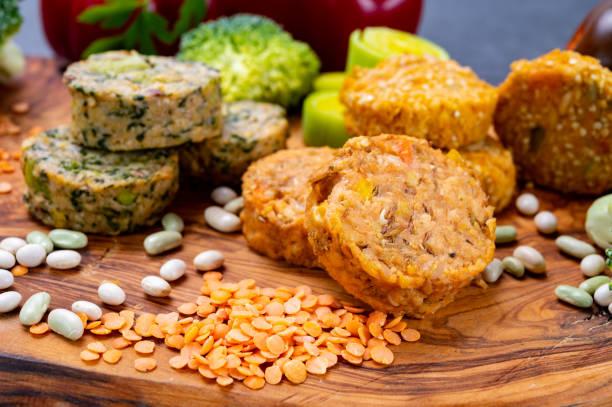
The emergence of sustainable food alternatives has revolutionized consumer choices and reshaped the global food landscape. As awareness grows regarding the environmental impact of traditional protein sources, an increasing number of individuals are exploring meat-free options that align with their values and lifestyle preferences.
Market research indicates exponential growth in consumer interest for products that minimize environmental impact while maintaining nutritional integrity. Food scientists and culinary experts collaborate to develop formulations that satisfy taste expectations while delivering superior sustainability credentials. This convergence of science and gastronomy has produced remarkable results that challenge conventional perceptions.
The manufacturing process for plant-derived alternatives utilizes innovative extraction and texturization methods. Companies employ high-moisture extrusion technology to create fibrous structures that replicate the mouthfeel of traditional meat. These processes transform raw plant materials into products with authentic sensory characteristics that appeal to both committed vegetarians and curious omnivores.
Supply chain sustainability represents a critical competitive advantage in this market. Brands that demonstrate transparent sourcing practices and minimal environmental impact throughout production cycles attract premium customer loyalty. Certifications for organic ingredients, non-GMO verification, and sustainable farming practices provide additional credibility and market differentiation.
The foodservice industry has embraced these alternatives enthusiastically, with restaurants, cafeterias, and fast-food chains incorporating plant-based options into their menus. This institutional adoption validates the mainstream appeal and contributes significantly to market normalization. Celebrity chef endorsements and upscale restaurant offerings have further enhanced the category's prestige and desirability.
Regional variations in consumer preferences drive product innovation and market segmentation. Asian markets favor alternatives based on traditional ingredients like tofu and tempeh, while Western consumers show preference for burger patties and sausages. Understanding these cultural nuances enables companies to tailor offerings for maximum market penetration.
Price parity with conventional meat products remains an important milestone for achieving mass-market adoption. Economies of scale and production efficiency improvements continue to narrow the price gap, making sustainable alternatives increasingly competitive on cost while maintaining quality standards.
FAQ 1: What ingredients are commonly used in meat-free products? Common ingredients include pea protein, soy protein isolate, wheat gluten, coconut oil, potato starch, and various binding agents. Many formulations also incorporate natural flavoring, vitamins, and minerals to enhance taste and nutritional value while maintaining a clean label approach.
FAQ 2: Are sustainable alternatives genuinely better for the environment? Yes, peer-reviewed studies consistently demonstrate that plant-based alternatives require significantly fewer resources to produce. They generate approximately 90% fewer greenhouse gas emissions, use 95% less land, and consume 75% less water compared to conventional beef production, representing substantial environmental benefits.

 English
 Arabic
 French
 Portuguese
 Deutsch
 Turkish
 Dutch
Dutch
 Italiano
 Russian
 Romaian
 Portuguese (Brazil)
 Greek
Greek